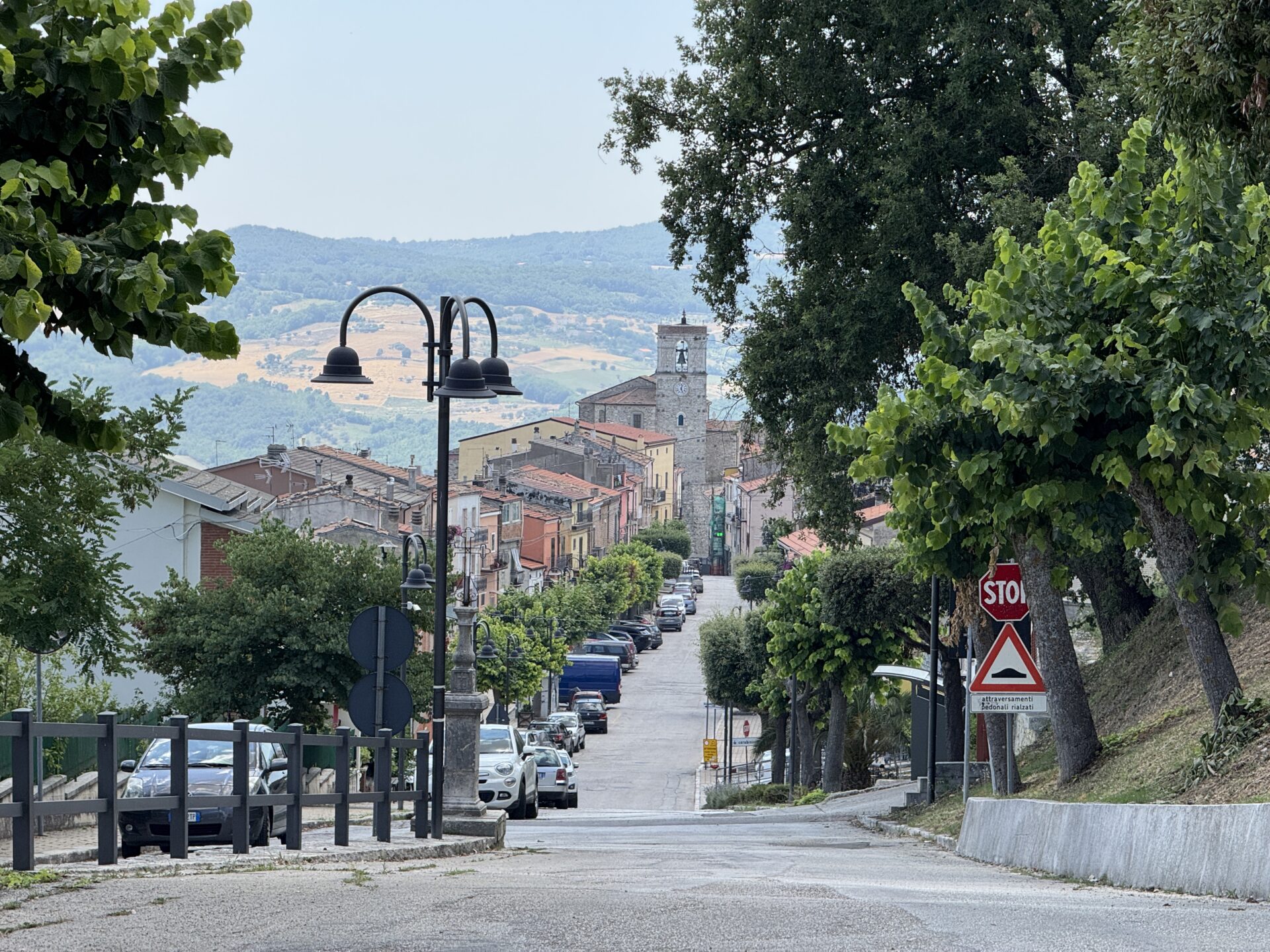
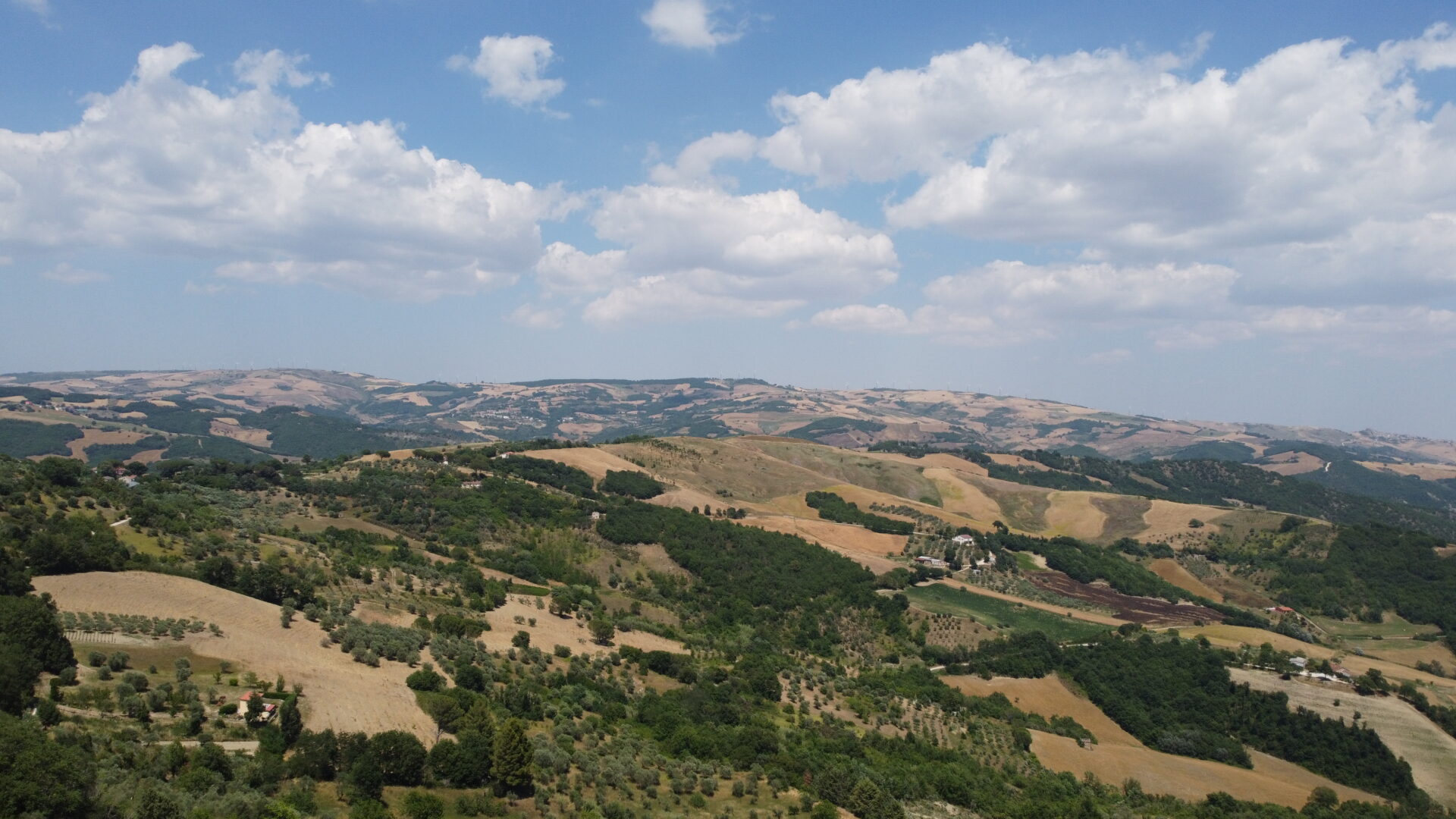
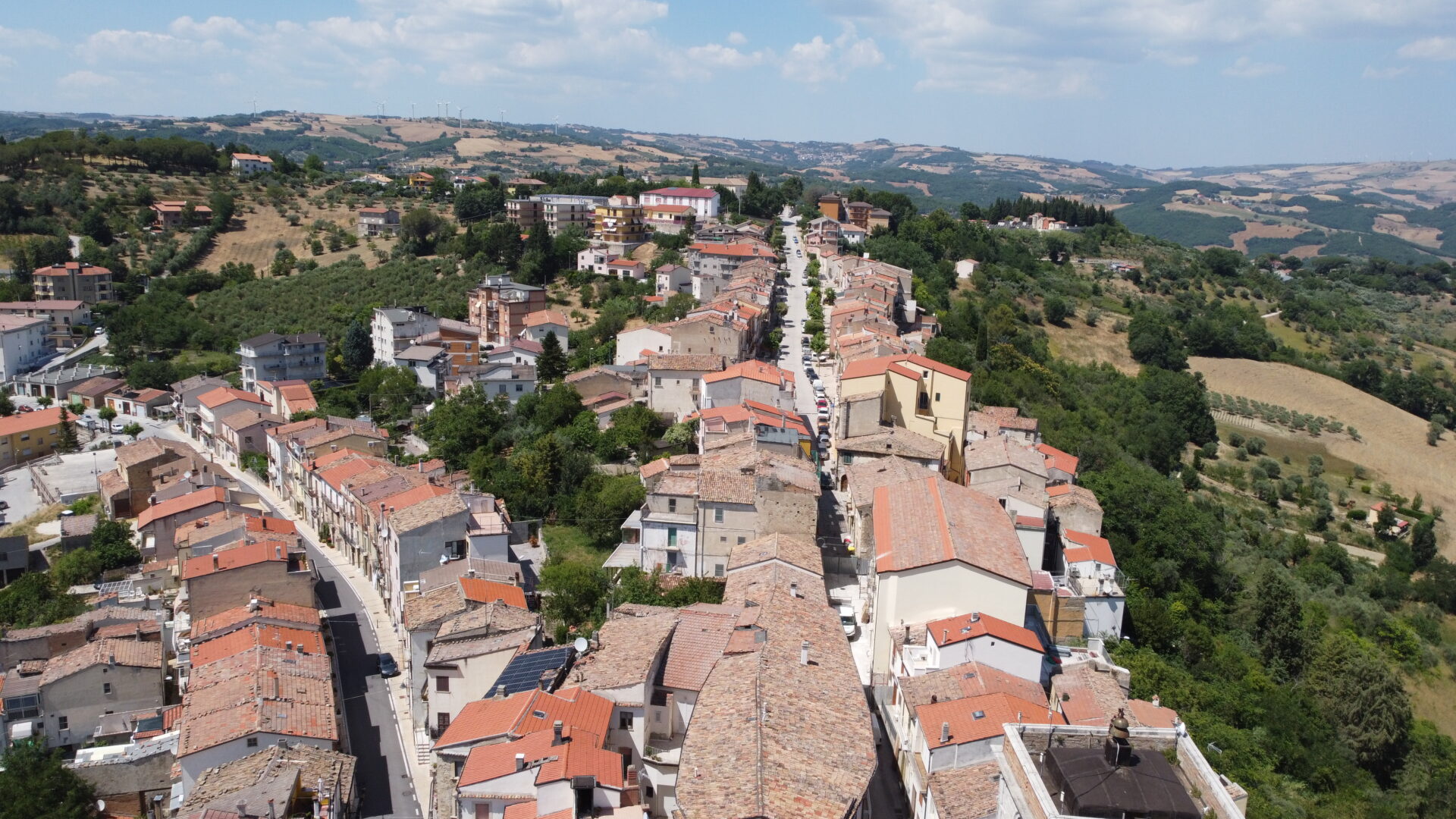
Toro is a hillside village that preserves an authentic identity, made up of agricultural work, strong relationships and traditions that have been handed down for generations. The historic centre is built around a small square, with the mother church and evocative views. Life here is marked by the rhythms of nature, between sowings, harvests and popular festivals. It is a vivid example of Molise's rurality alive and resilient, which the Eco-museum helps to recount and enhance.
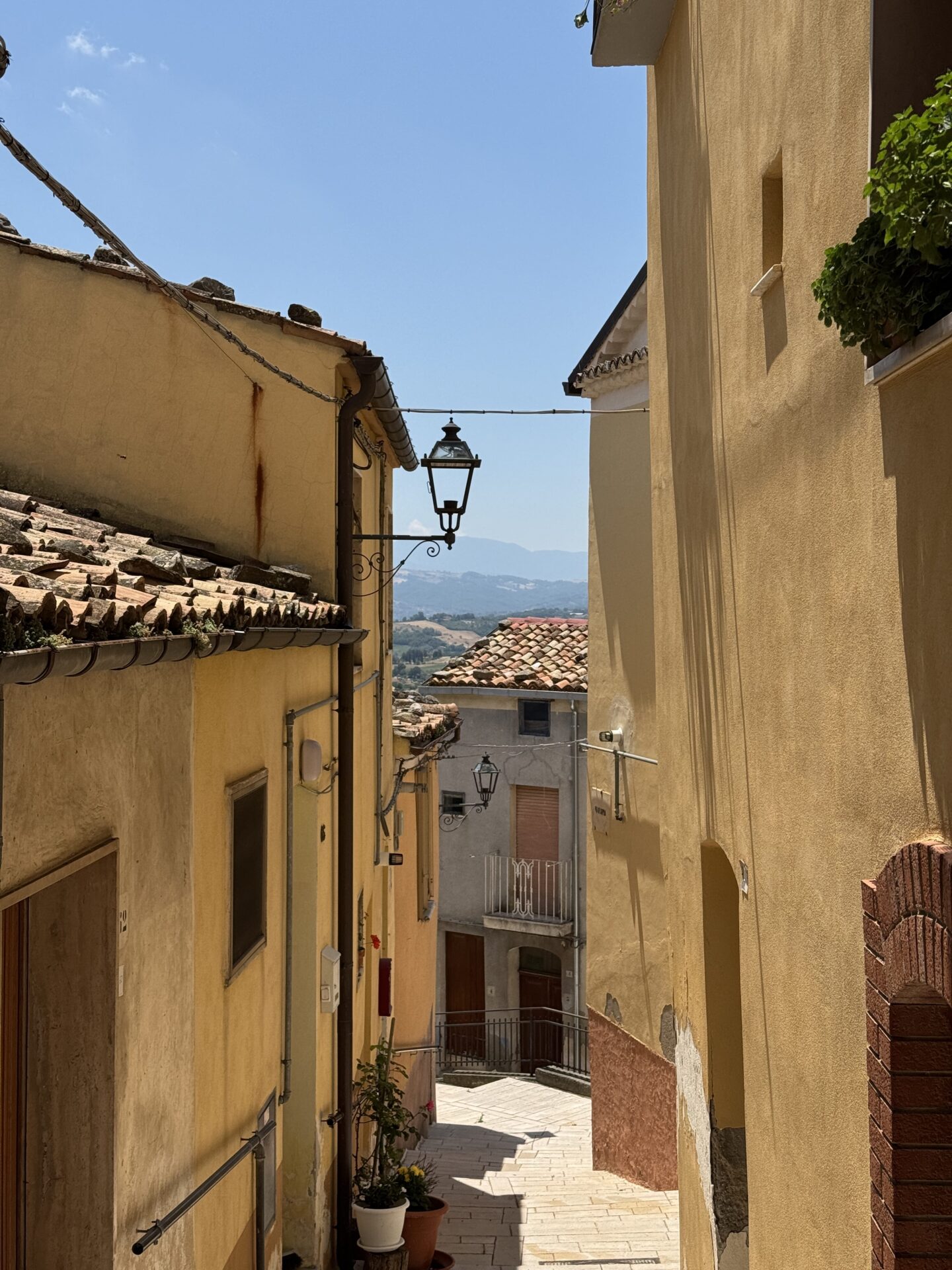
A curiosity of Toro is the presence, in the historical centre, of no less than 19 rue, small streets generally distinguished by the surname of the family that lived in them 'Rua Graziano, Rua Francalancia, etc.'. The most characteristic is RUA DELLA SCIMMIA, which at the end towards Via Occidentale becomes very narrow and low, and therefore not easily passable.
Heritage
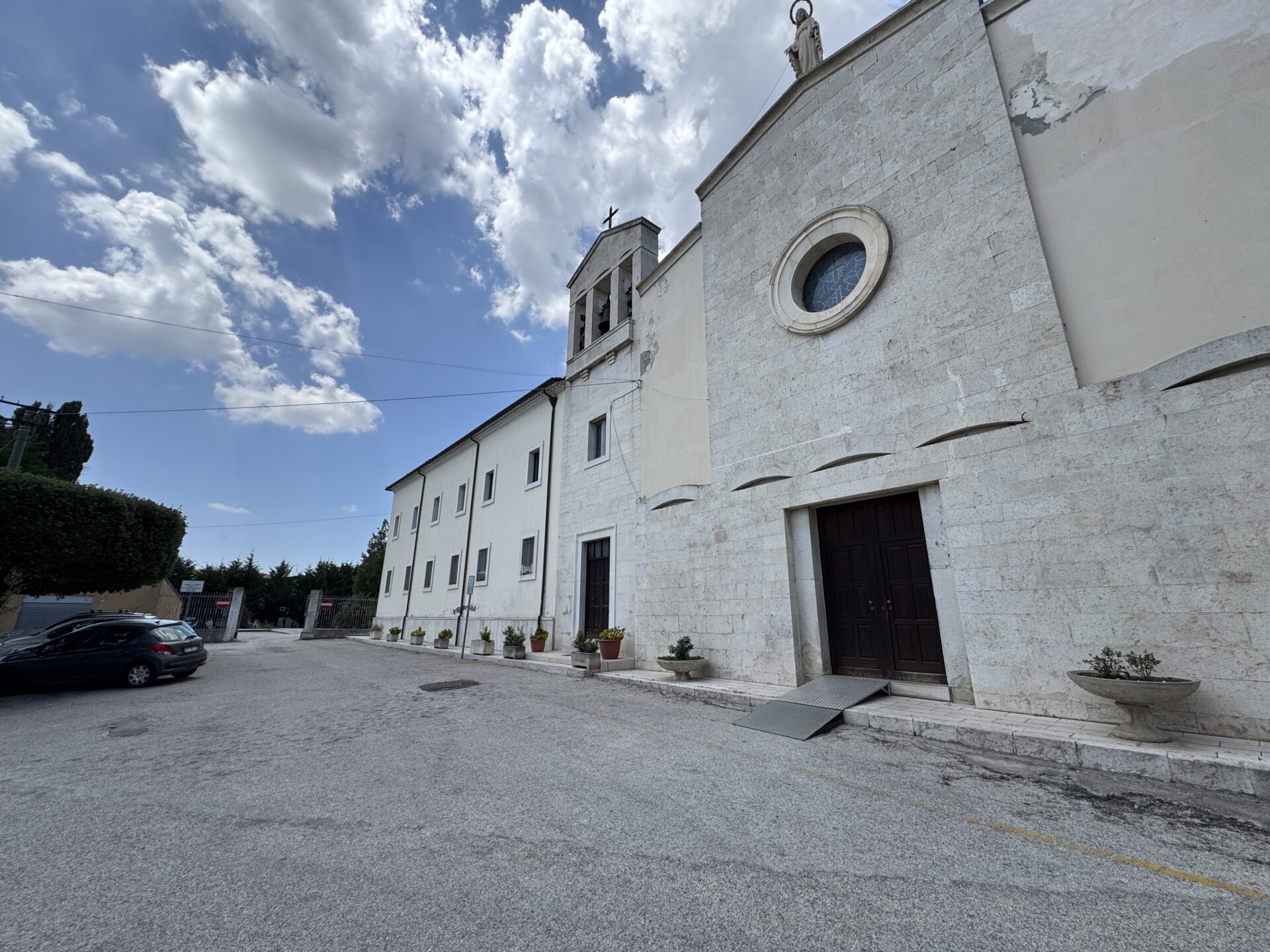
Convent of St Mary of Loreto
Parish Church of the Holy Saviour and Bell Tower
Church of San Rocco
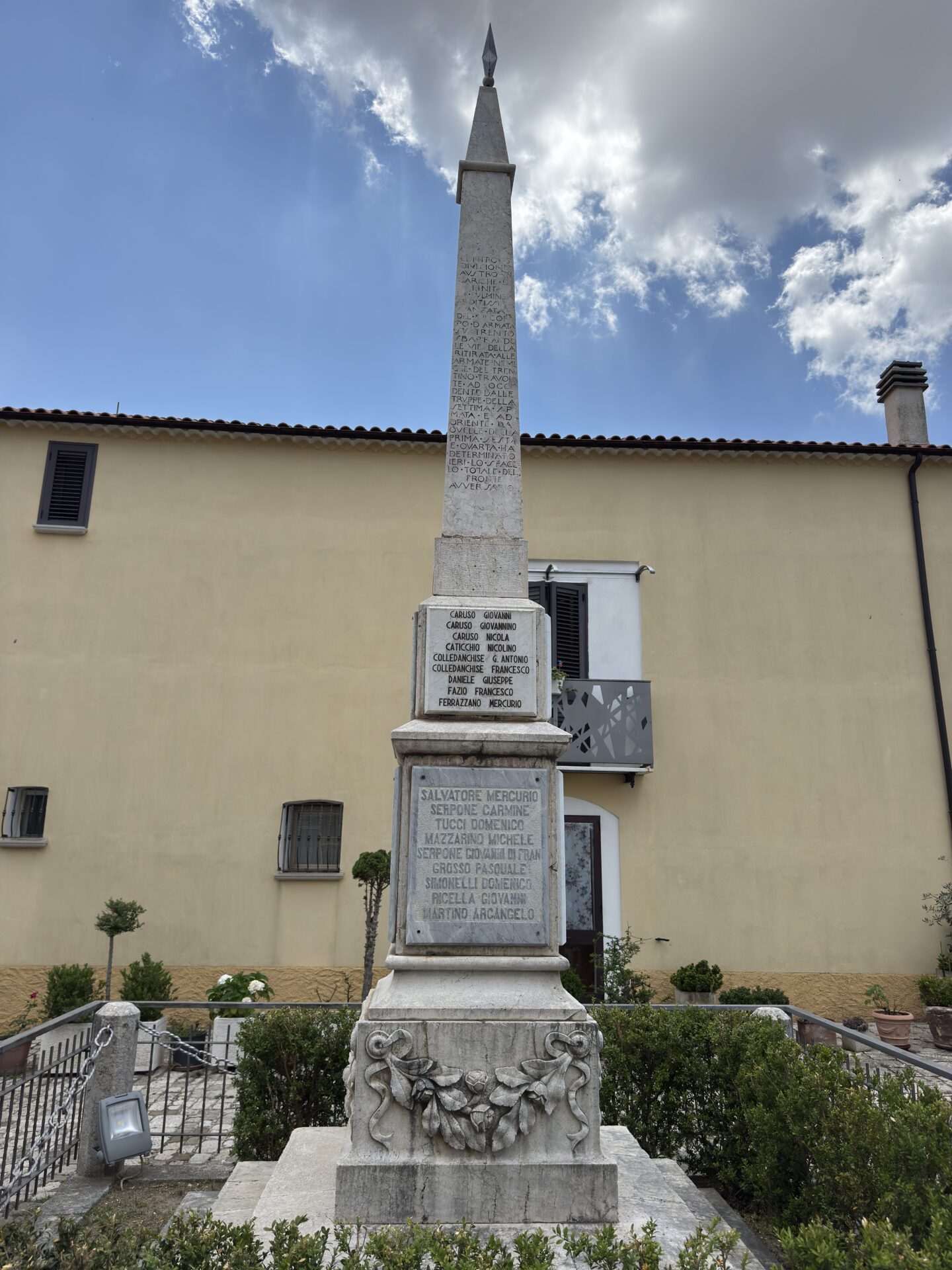
War Memorial
Trotta Palace
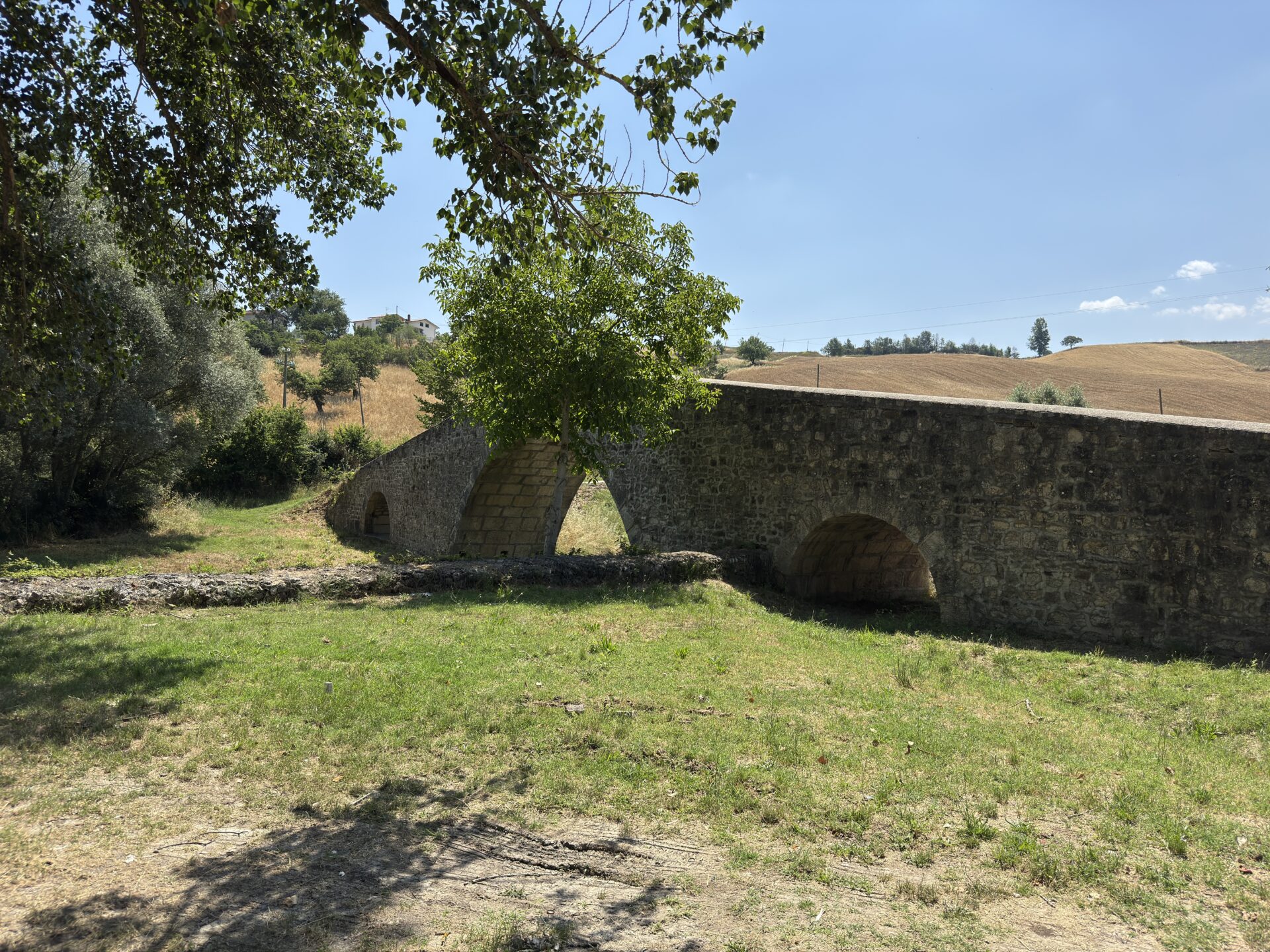
Romanesque bridge
Waterways
Museum of Peasant Civilisation and Popular Culture
Procession of St Mercury Martyr
Festival of Venezuelan Arèpas
Convite of San Rocco
St. Anthony's Fires
Good Friday procession
The Passion of Christ
La Pasquetta (Easter-Epiphany)
St Joseph's Eve
St Joseph's Feast
Convent of St Mary of Loreto
The Convent of St Mary of Loreto is located in the highest part of the town, in a pleasant and panoramic position. Built in 1592 by the brotherhood of the same name, it was entrusted to the Friars Minor Observant. The Cardinal of Benevento Orsini loved to stay there, who, once he became Pope Benedict XIII (1724), gave the convent a large canvas of the Madonna of Loreto, bearing the date 1727, as a gift in memory of his stay.
Parish Church of the Holy Saviour and Bell Tower
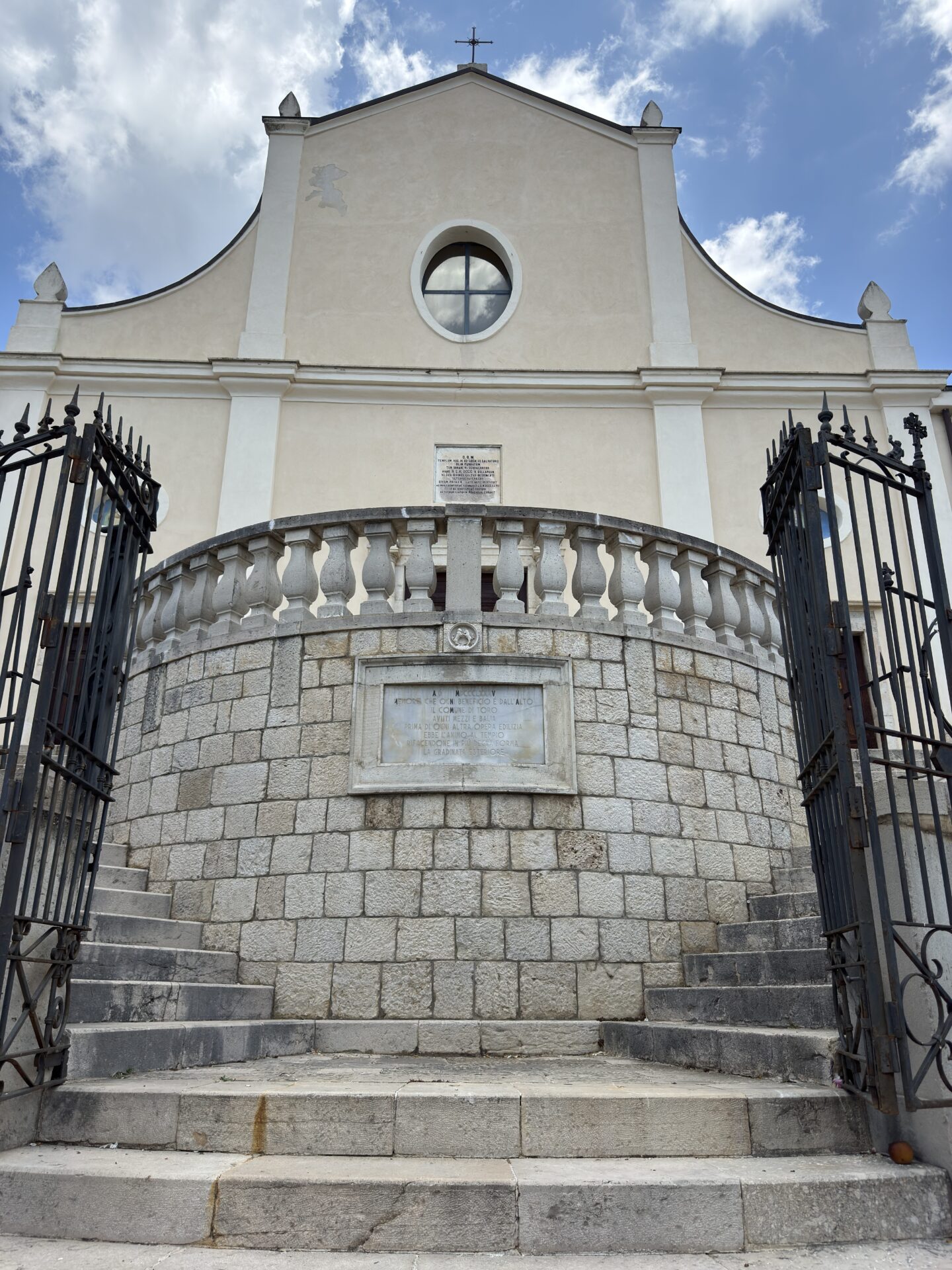
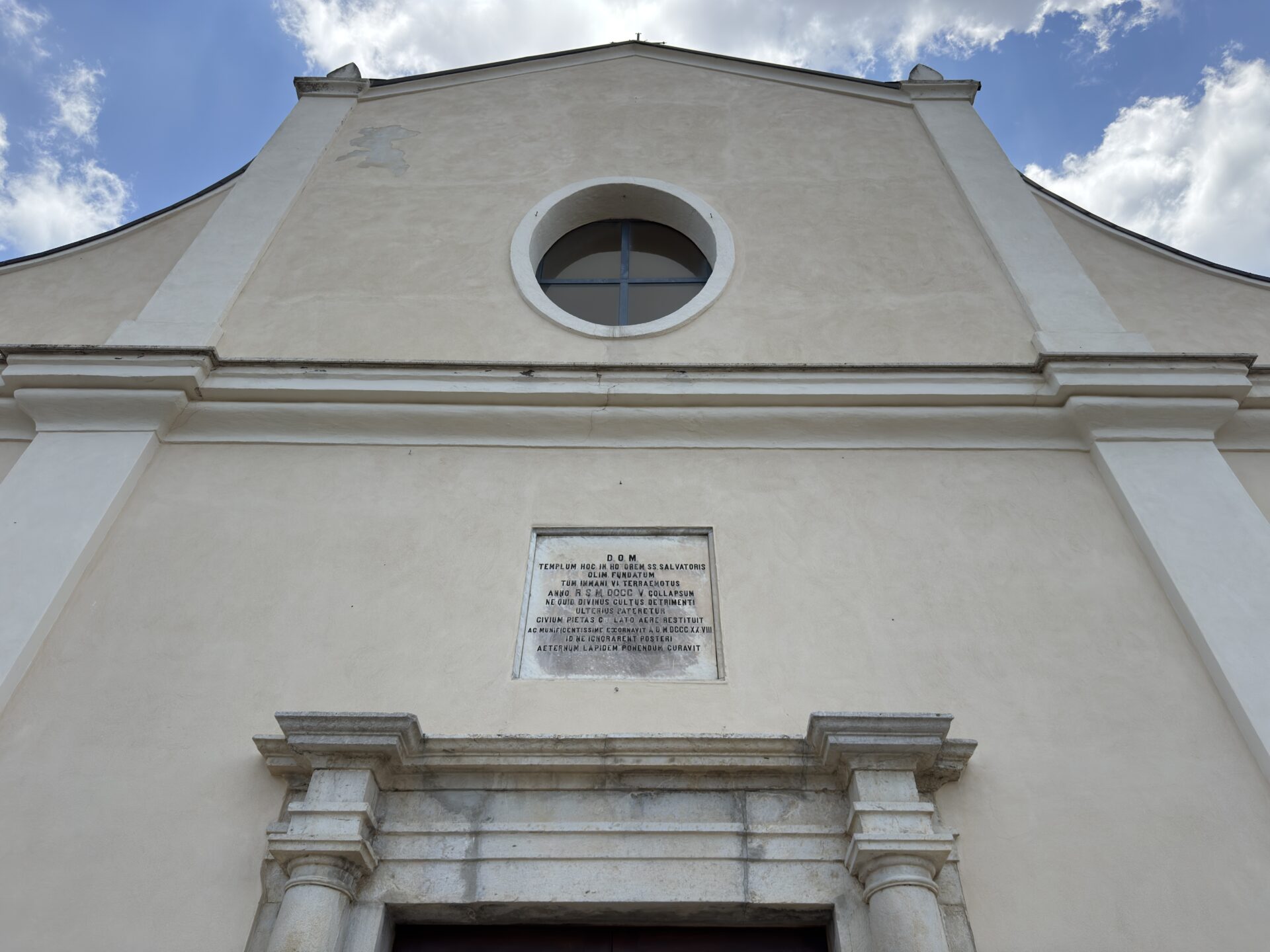
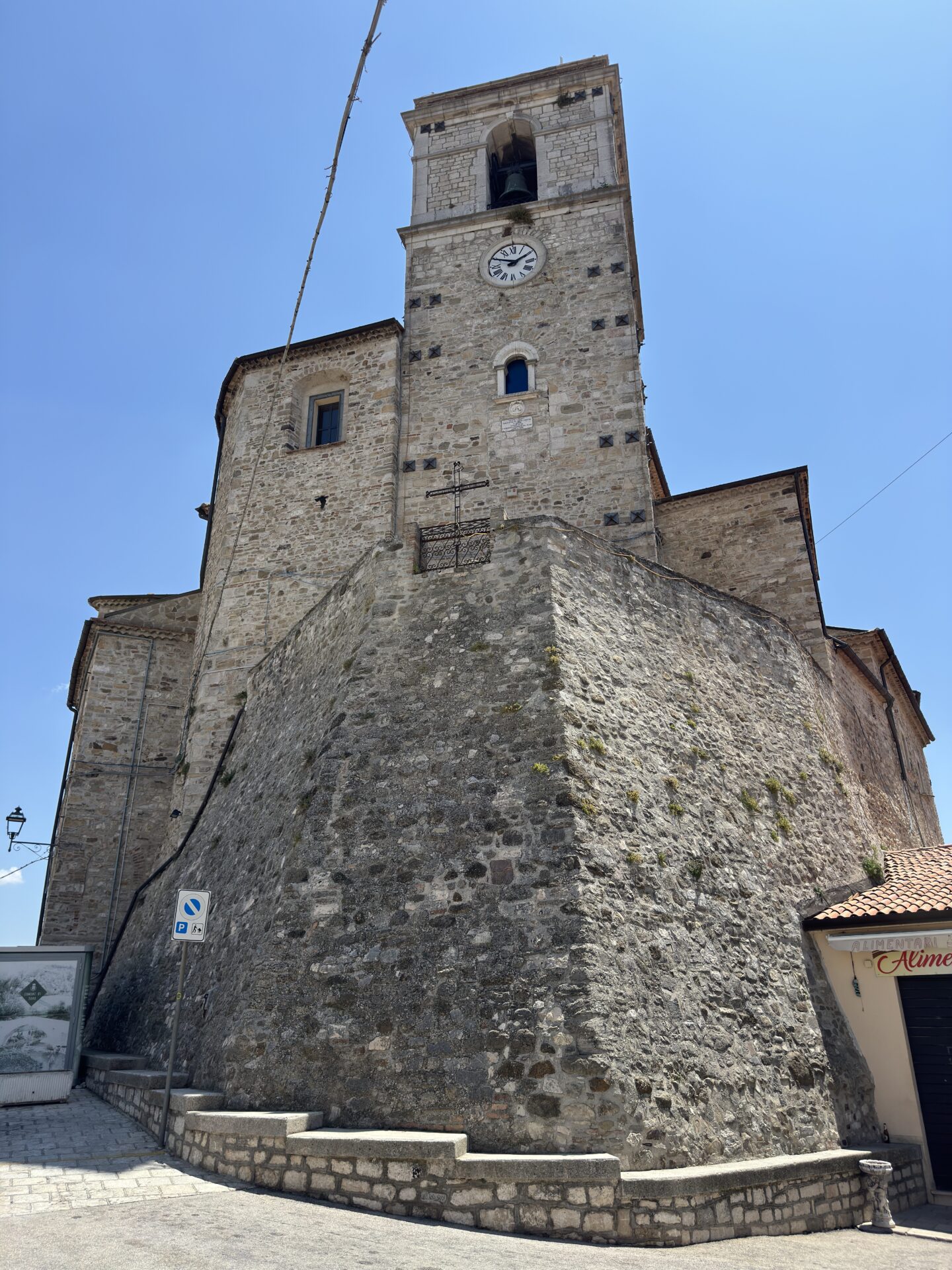
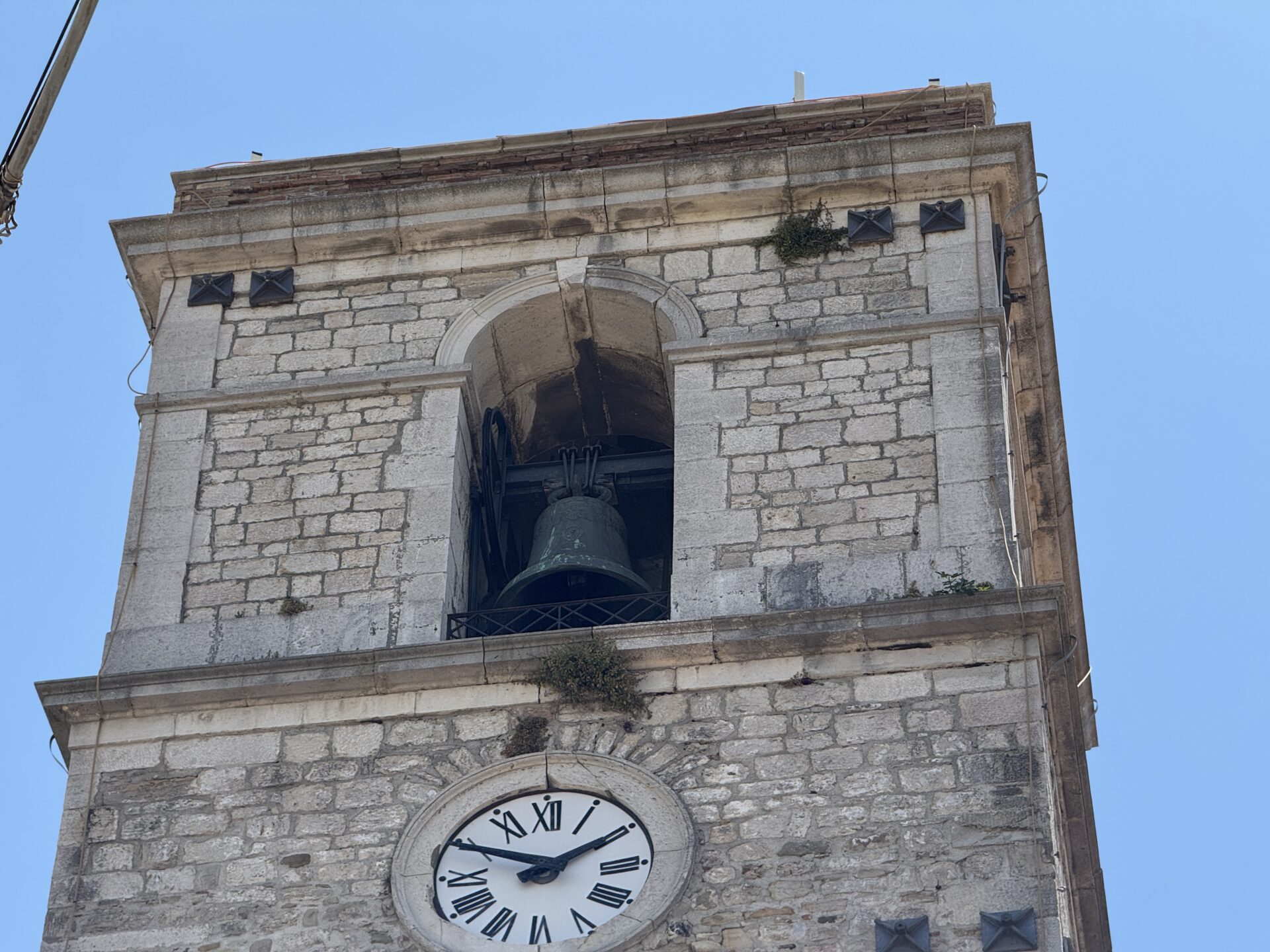
The parish church of SS. Salvatore dates back to the 11th century. All that remains of the original structure are a few elements consisting of two capitals surmounted by fish figures in the three corners. The building was rebuilt several times following several earthquakes, such as the one in 1456 and the one in 1688. It was completely destroyed in the earthquake of 26 July 1805; it took several years to rebuild and reopen for worship in 1828. The stone staircase with two semicircular flights dates back to 1885. The bell tower was completed in 1894. Damaged by an earthquake in 1913, the church was reopened after two years. Severely damaged by the 2002 San Giuliano earthquake, it was closed for over ten years and reopened for worship on 23 August 2013.
The most valuable find in the church is a stone funerary stele with a Roman inscription dating back to the 3rd century, later excavated and used as a baptismal font, featuring bas-reliefs depicting hunting scenes with animals fighting each other.
Church of San Rocco
Small in size, outside the inhabited walls, the church of San Rocco was built between the 16th and 17th centuries. Lying on the 'rapillo', a sandstone rock, it has a single altar at the foot of a niche in which the 19th-century statue of St. Roch is placed. During 1985, this small church was in the centre of the Italian news, as people cried out for a miracle. Thousands of pilgrims and believers flocked to see a strange play of light that allowed a glimpse of the face and body of Christ on the enamelled surface of the niche.
War Memorial
In the square in front of the church, once known as Piazza della Chiesa and since 1945 as Piazza Luigi Alberto Trotta, stands the Monument to the Fallen of the First World War, inaugurated on 25 August 1920. It is the first war memorial built in Molise and one of the first in Italy,
After World War II, the four initial plaques containing the names of the fallen of the Great War were flanked by plaques with the names of the fallen, military and civilian, of World War II.
Trotta Palace
Of historical interest is the Trotta family home. The building stands near the mother church, in Piazza Luigi Alberto Trotta, silver and bronze medal for military valour. In memory of Luigi Alberto Trotta of the hero who fell in World War II, the façade of the historic home bears a bust and commemorative plaque, works by the famous sculptor Duilio Cambellotti.
Romanesque bridge
The Toro bridge, one of the most characteristic if not the most characteristic masonry bridge in Molise, was designed and built in the Romanesque style in 1813 by the bricklayer, architect and handyman engineer Francesco Fagnani from Pescopennataro who lived in Oratino.
Perfectly intact and functional, it is another jewel of the town. It particularly characterises the Piana dei Mulini, so called because of the two water mills that used to operate nearby on the river bank, and the entire Fondovalle del Tappino. The bridge is a picnic destination thanks to the grove of majestic century-old poplars and the beautiful surrounding plain.
Waterways
The waterways 'Pozzo a Monte, Fonaniola, Pozzo Peluso, Fontana a Valle, Fontana nuova'.
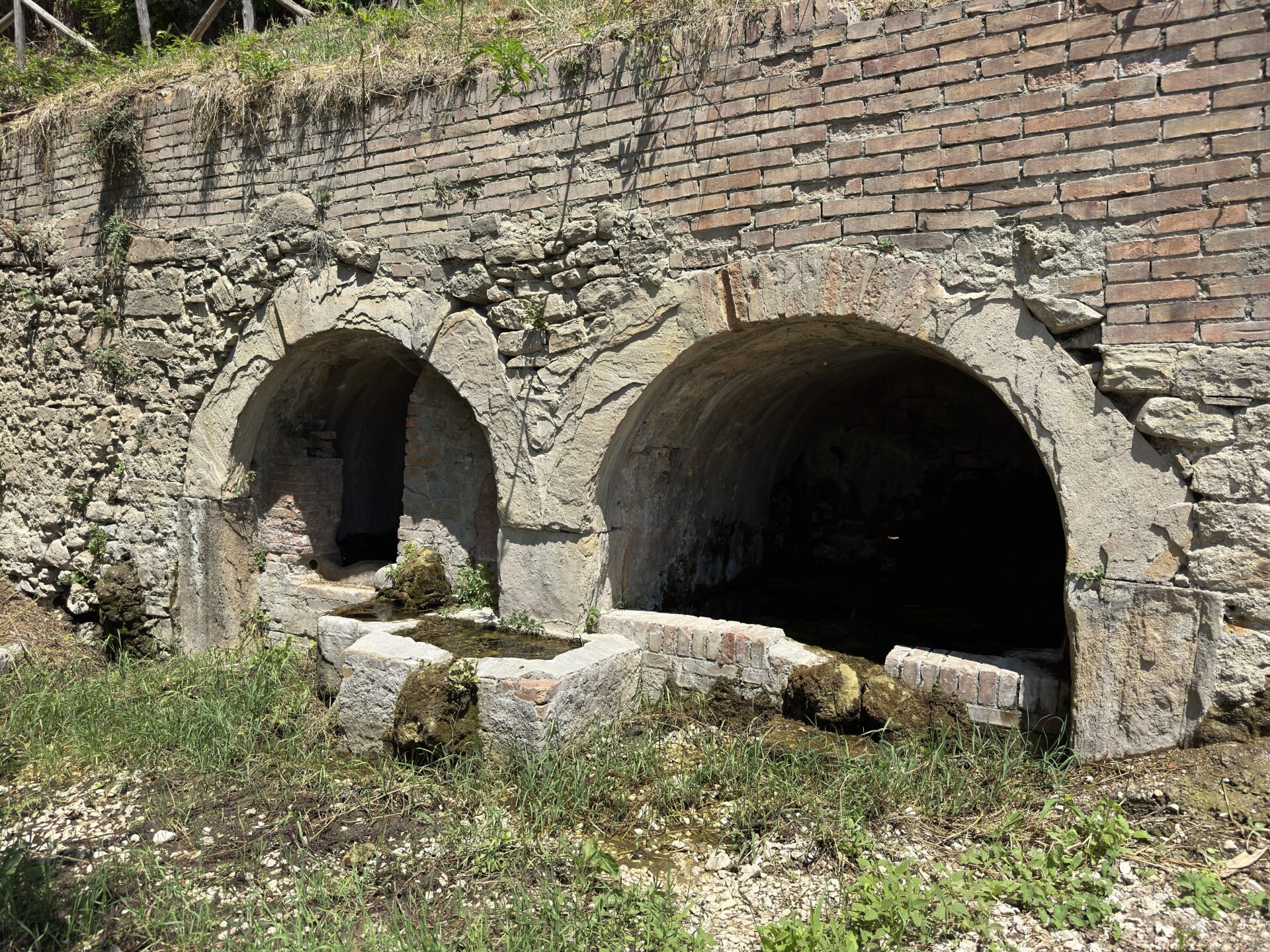
'A fentane a bballe, The fountain in the valley is the most characteristic of Toro's discrete heritage of rural wells and fountains, scattered throughout an agro-agriculture poor in spring water, and as such a centuries-old problem of Toro, which became more pronounced in summer, to the point of becoming dramatic.
The ancient Valley Fountain, located at Fentaneiole (i.e. Fontaniole, small fountains, including the Fontaniola proper and the Pozzo Peluso) is still rich in water. The water is brackish and undrinkable but was once excellent for irrigating the surrounding vegetable gardens and watering the 'cars', i.e. donkeys, mules and horses.
Because of its characteristic structure, with a double cistern to the right and left of the central stack, while a second stack is to the left of the onlooker, the Fountain in the Valley is an essential stop on the Ecological Walk held every year from the village to the Ponte di Toro, along The Water Way.
Museum of Peasant Civilisation and Popular Culture
Created with tenacity and passion by Vincenzo Colledanchise, the private collection exhibits hundreds of tools, work tools, period clothing, holy cards, objects and statues of popular piety.
Procession of St Mercury Martyr
Feast to celebrate Saint Mercury Martyr, a soldier under the emperors Decius (249-251) and Valerian (253-260), whose career led him to the rank of general. When the two emperors decided to start their persecutions against Christians, Mercury revealed his faith to the emperor. Three times he was tortured but three times he was miraculously healed by an angel. Finally he was taken to Cappadocia, his homeland, and there beheaded.
As per tradition, before the procession starts, the statue of the 'soldier' Saint Mercury stops in front of the monument of the Torean fallen of all wars, while the band after the trumpet blasts and silence plays 'La leggenda del Piave'.
Festival of Venezuelan Arèpas
Festival in honour of emigration and the return migration of the many families from Toro who emigrated after World War II to seek their fortune in Venezuela and Argentina.
Convite of San Rocco
Since 2008 the Association Our Country organises every 16 August "The Solidarity Tableto keep the tradition of the Convito di San Rocco alive and pass it on to new generations. With the commitment of almost one hundred volunteers, the old feast menu is re-proposed at an affordable price, allocating part of the proceeds to charitable initiatives and offering free meals to the sick, elderly and families in difficulty, also with home delivery. The event, which attracts numerous participants, today represents one of the most significant moments in the community: not only an occasion for conviviality, but also a concrete testimony of solidarity and respect for a precious tradition.
St. Anthony's Fires
The Torean custom sees in the first thirteenth of June the lighting of fires in honour of St Anthony of Padua. Several streets and 'viarelle', many more in the past than today, are thus illuminated and warmed by the lively flames of the fire, which attracts many of the inhabitants of the neighbourhood. Tradition wanted the lighting of the fires to represent a religious rite: the purpose was in fact to gather around the bonfire to pray in honour of the Saint. With the passing of the years, this rite has partly lost its original meaning: gathering around the fire has become, in fact, a moment of aggregation to spend a pleasant early summer evening. Today, the tradition that sees as its most important moment the lighting of the largest fire, that of the thirteenth and last evening, during which, on top of the pile of wood and broom, a puppet made of rags and rags, known as the Baby doll. With the background of the typical schioppettio of the brooms, one can enjoy tasty cavatelli and other delicacies with a good glass of wine.
Good Friday procession
Good Friday procession through the streets of the town, starting from the Church of the SS. Salvatore. The rite is also attended by the Apostlesi.e. twelve edeles drawn by lot, who, in the guise of two thousand years ago, also animate the ceremony of the Foot washingduring the Holy Thursday solemn mass, called in Coena Domini.
The Passion of Christ
It is since the 1980s that the Pro Loco of Toro, together with the inhabitants of the village, has been organising at Easter time the representation of the Passion. The commitment concerns not only the choice of the most suitable actors and protagonists, but also the setting up of the scenes chosen from the most evocative places in the country. The most important stages of the last moments of Christ's life are narrated and reproduced, such as: the Last Supper, the Garden of Olives, Judas' betrayal, the trial before Pilate. After the various falls, we arrive at the square in front of the Convent of St. Mary of Loreto, where Calvary is reconstructed and the moving final scene of the crucifixion takes place.
La Pasquetta (Easter-Epiphany)
La Taurus Easter, celebrated on the eve of Epiphany, is performed by male or mixed choirs who sing in the square, in front of churches and homes. The texts consist of ten quatrains of rhymed octonariesThe first nine narrate the visit of the Magi to the Infant Jesus, the tenth brings Easter greetings to the hosts and onlookers.
The singing, on melodic line in two even-numbered voicesis accompanied by an instrumental introduction (accordion or other) repeated every two stanzas. The typical orchestration includes accordion or accordionette, guitar, 'bufù', 'streculatóre' (washing board), tinderbox and other instruments, including improvised ones.
Traditionally, the rite ended at midnight with a banquet offered to the singers; today it continues until Epiphany morning, with the last performance at the first mass in the convent, during the kiss of the Child. In recent years, Easter Monday has taken on a strong value religious and liturgicaldistinguishing itself in the Molise landscape from its original secular inspiration.
St Joseph's Eve
On 18 March or the Saturday before the Sunday closest to 19 March, the so-called Mass of mento which only male believers are admitted.
The tradition was conceived in the mid-fifties of the last century by the late parish priest Don Camillo Iacobucci, who sought in this way to encourage the majority of the parish's males to participate in the Easter Precept.
The initiative was rewarded with success, fostered by the great devotion that Saint Joseph enjoyed and enjoys, in whose honour the traditional feast was prepared in many Torean homes. At least the masters and males of those houses responded en masse to the invitation, giving rise to the tradition, still in force today.
St Joseph's Feast
Originally, St Joseph's Feast began as an opportunity for wealthy families to offer the poor not only a day to spend in company, but also a very substantial meal compared to what they were used to eating. Thus the less fortunate had the chance to fill their bellies and alleviate their suffering by trying to forget, if only for a day, their unhappy condition. Of the tradition today, the abundant banquet certainly remains, but the original purpose has been transformed into an occasion to sit at the table with friends, relatives and neighbours. The meal, preceded by prayers in honour of the saint, includes a number of dishes, some more traditional, others less so. It is customary to start with soup and beans strictly cooked in 'a pegnate (an earthenware pot used for cooking food directly in the fireplace), followed by maccheroni with tuna and anchovies, macaroni with breadcrumbs, baccalà arraganate, and finally the cavezune (pastries filled with chickpeas and honey), rice with milk and, recently, the ever-present zeppola.
Don't miss the novelties of the Fortore Ecomuseum: sign up for the newsletter!
Manage Consent
To provide the best experiences, we use technologies such as cookies to store and/or access device information. Consenting to these technologies will allow us to process data such as browsing behaviour or unique IDs on this site. Not consenting or withdrawing consent may adversely affect certain features and functions.
Functional
Always active
Technical storage or access is strictly necessary for the legitimate purpose of enabling the use of a specific service explicitly requested by the subscriber or user, or for the sole purpose of carrying out the transmission of a communication over an electronic communications network.
Preferences
Technical storage or access is necessary for the legitimate purpose of storing preferences that are not requested by the subscriber or user.
Statistics
Technical archiving or access that is used exclusively for statistical purposes.Technical storage or access is used solely for anonymous statistical purposes. Without a subpoena, voluntary compliance by your Internet Service Provider, or additional records from third parties, information stored or retrieved for this purpose alone cannot usually be used for identification purposes.
Marketing
Technical storage or access is necessary to create user profiles to send advertisements, or to track the user on one website or several websites for similar marketing purposes.