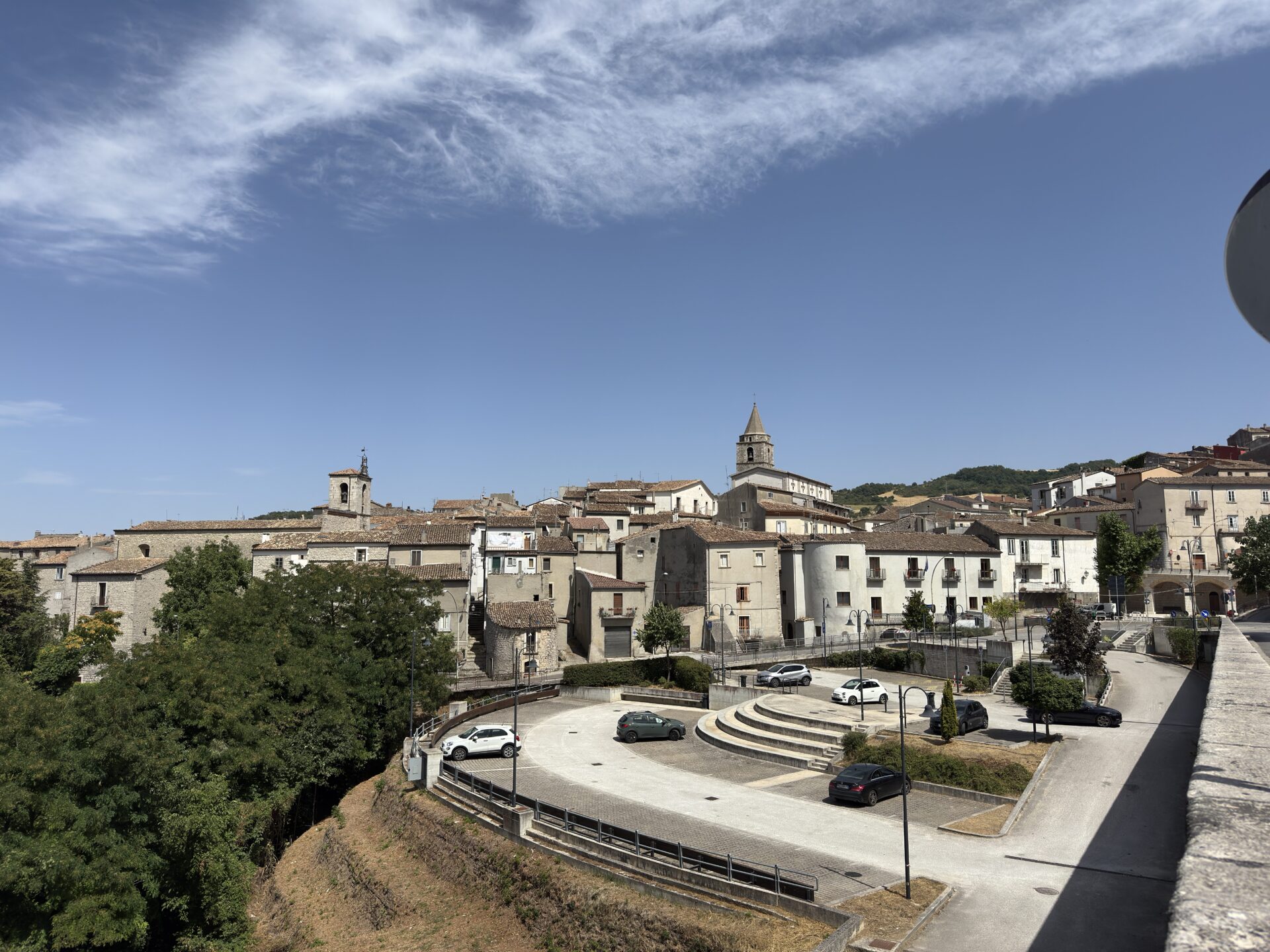
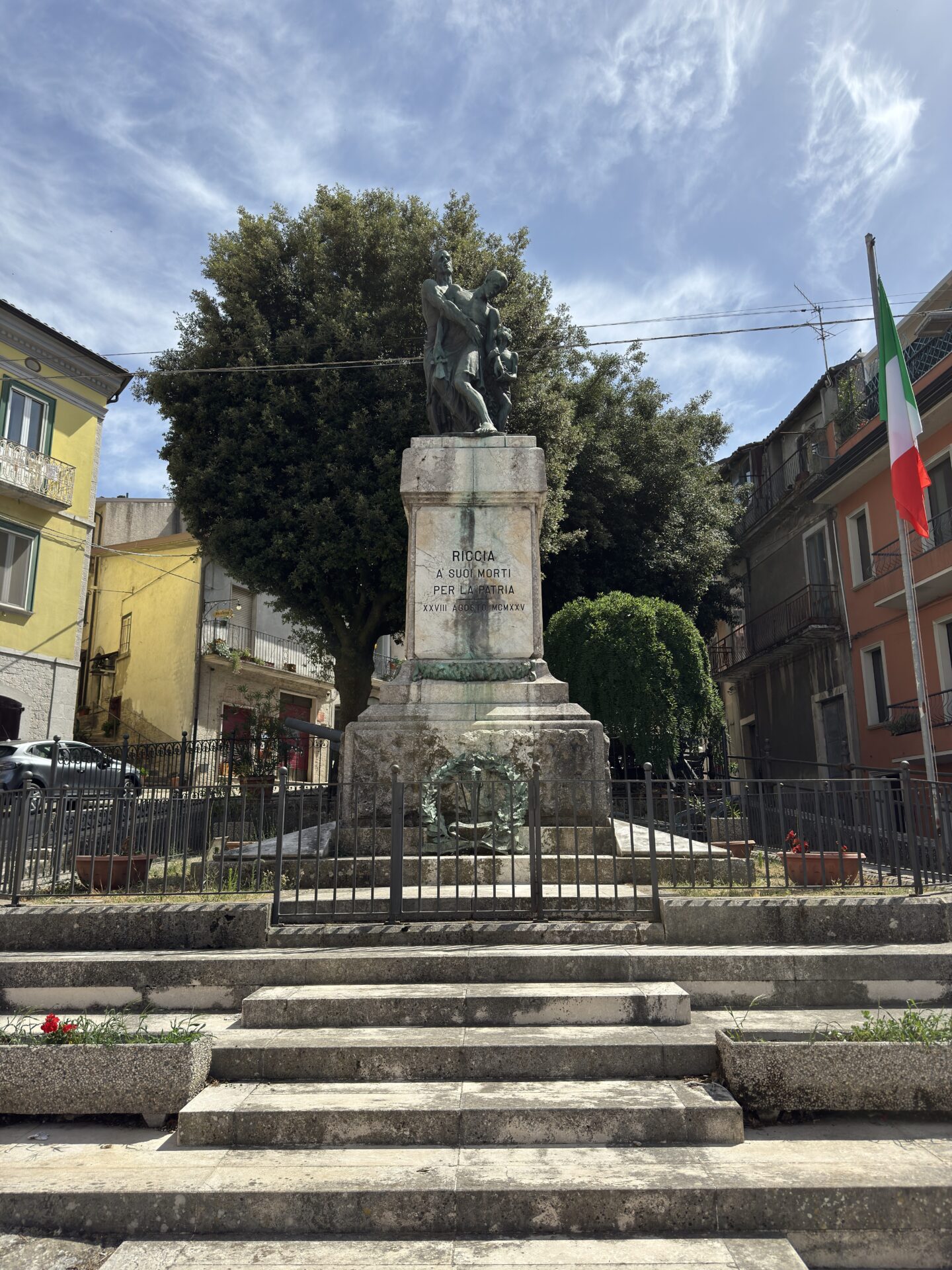
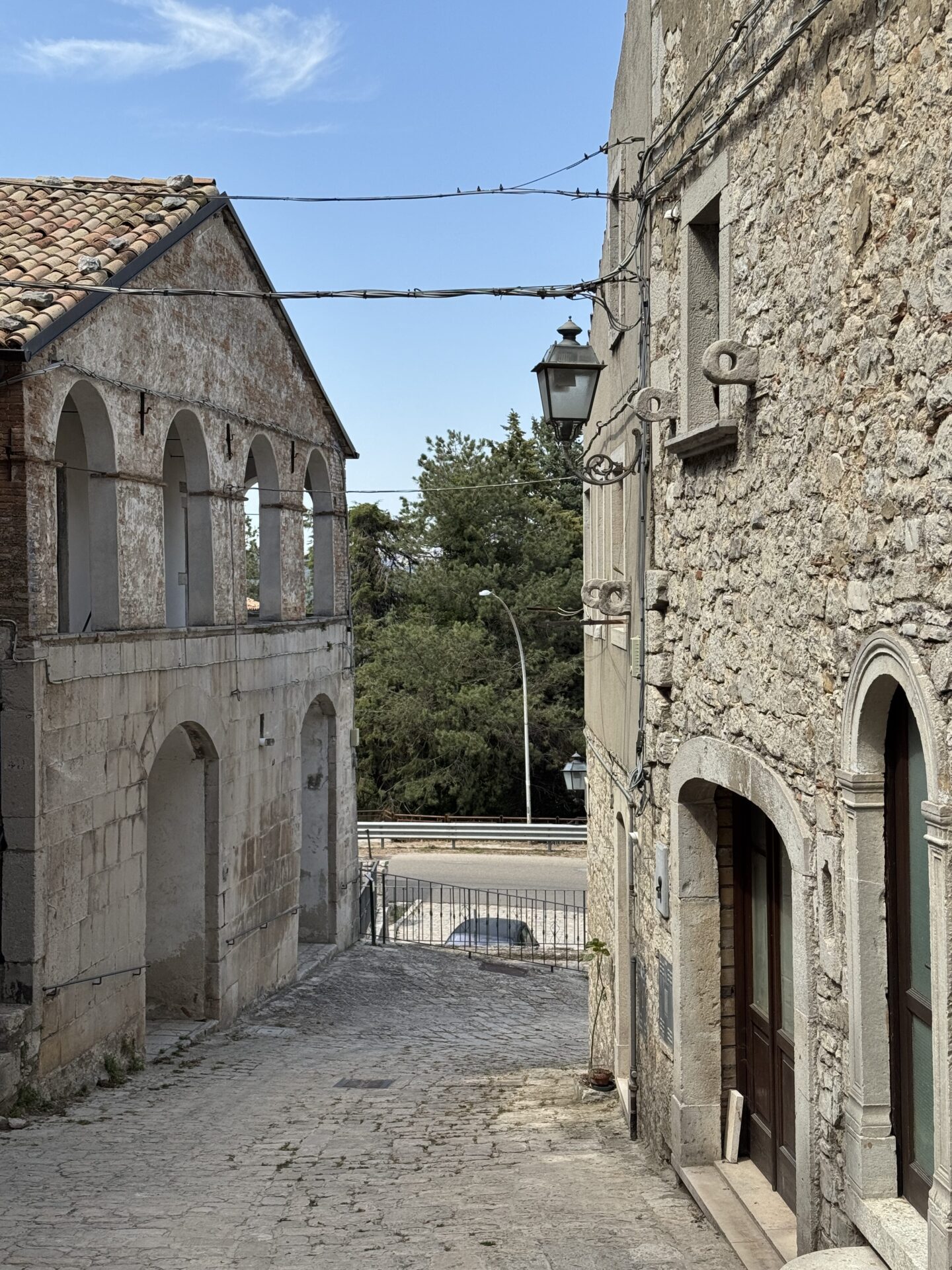
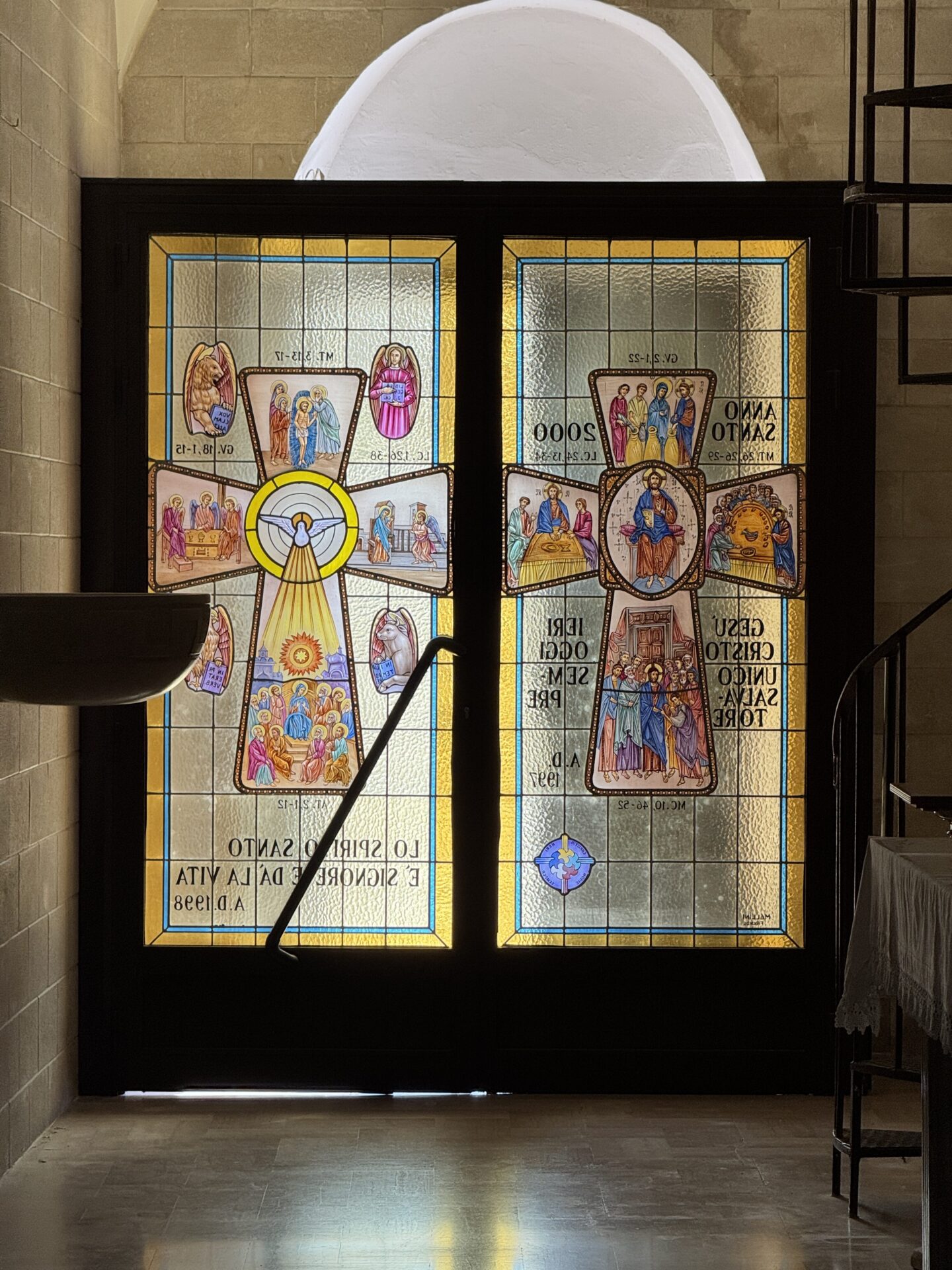
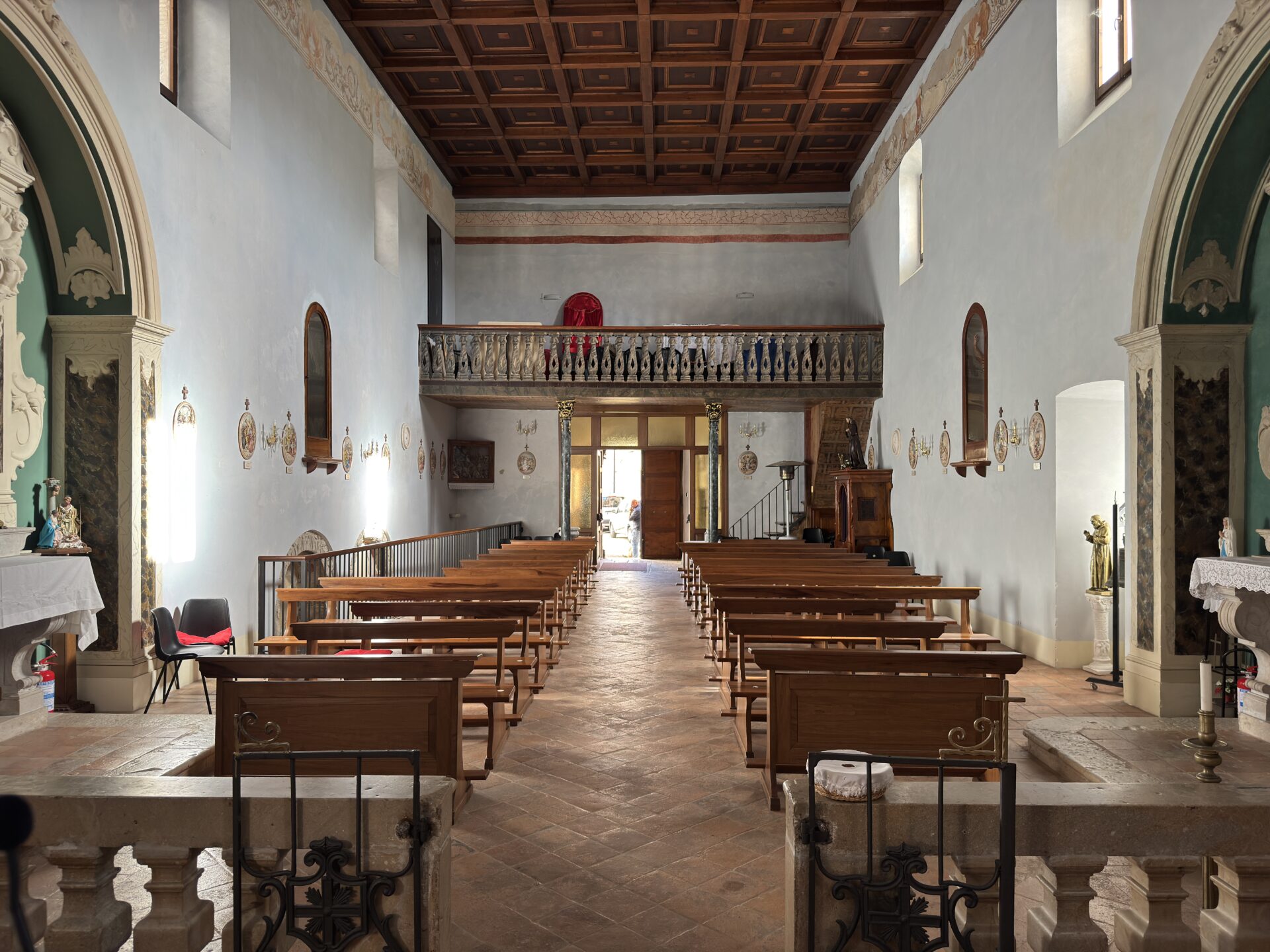
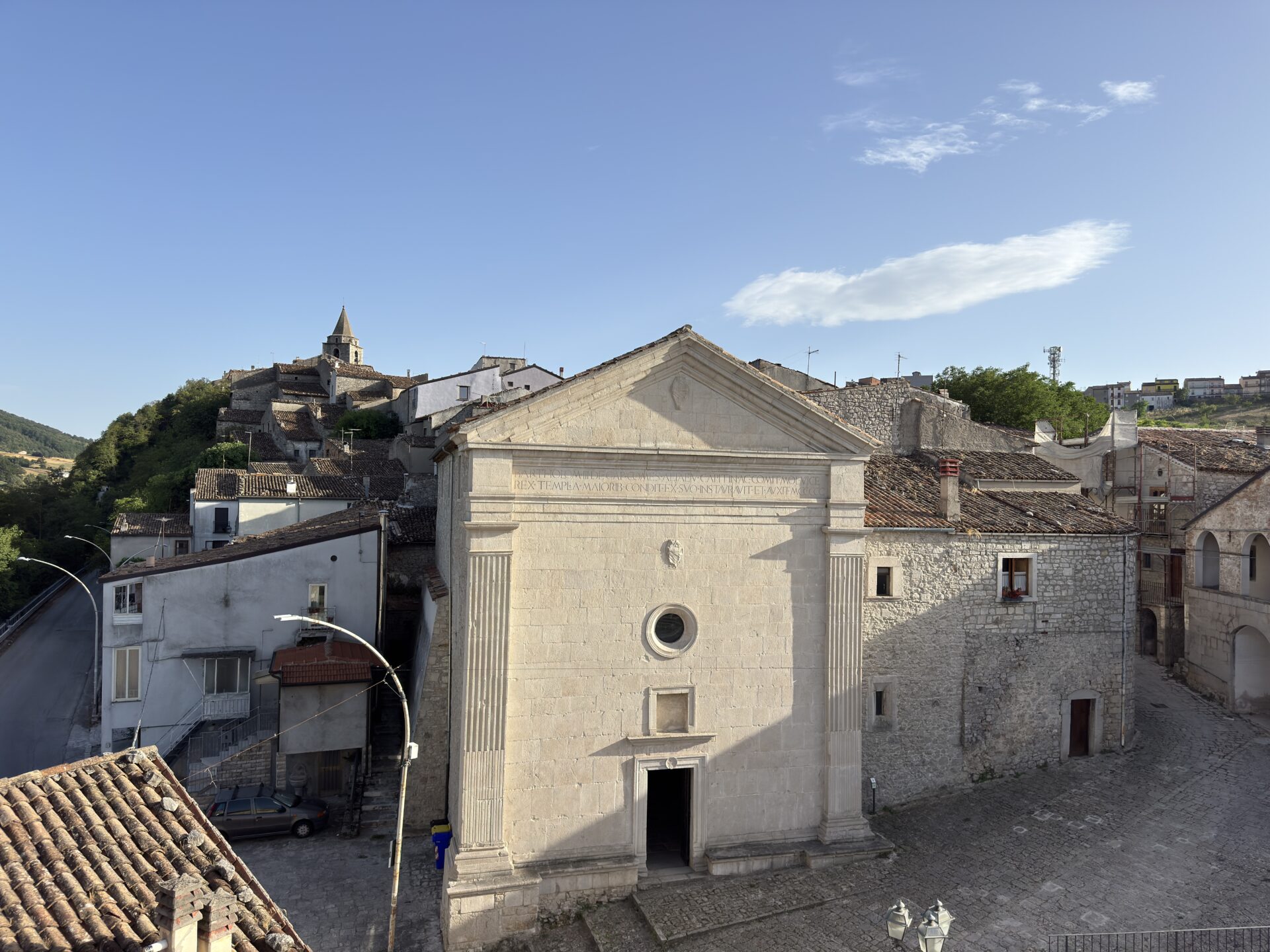
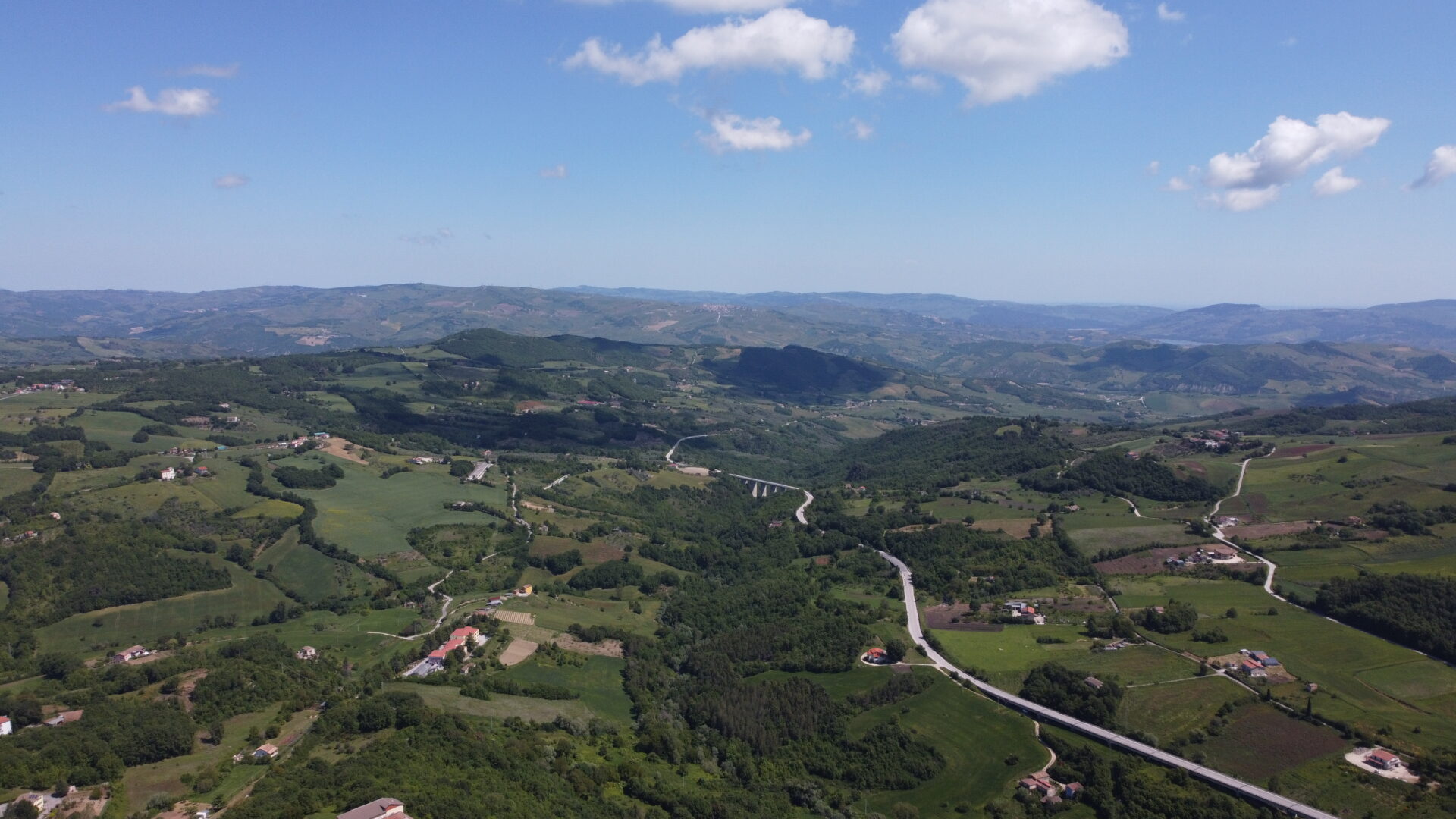
Riccia is the most populated centre in the Fortore area and one of its most active cultural poles. Its history is linked to the De Capua family and the Renaissance courts, traces of which remain in the palaces and alleyways. It is home to TerradiPasso, the virtual eco-museum that narrates the widespread identity of the entire territory. Riccia is also known for the cult of St. Augustine and for its rich and authentic local cuisine. A living community that looks to the future with firm roots.
Heritage
Mazzocca Woods
Medieval Castle
Paolina Fountain
Church of the Annunziata
Sedati Square Fountain
Shrine of the Blessed Virgin of Carmine
Church of Blessed Stephen
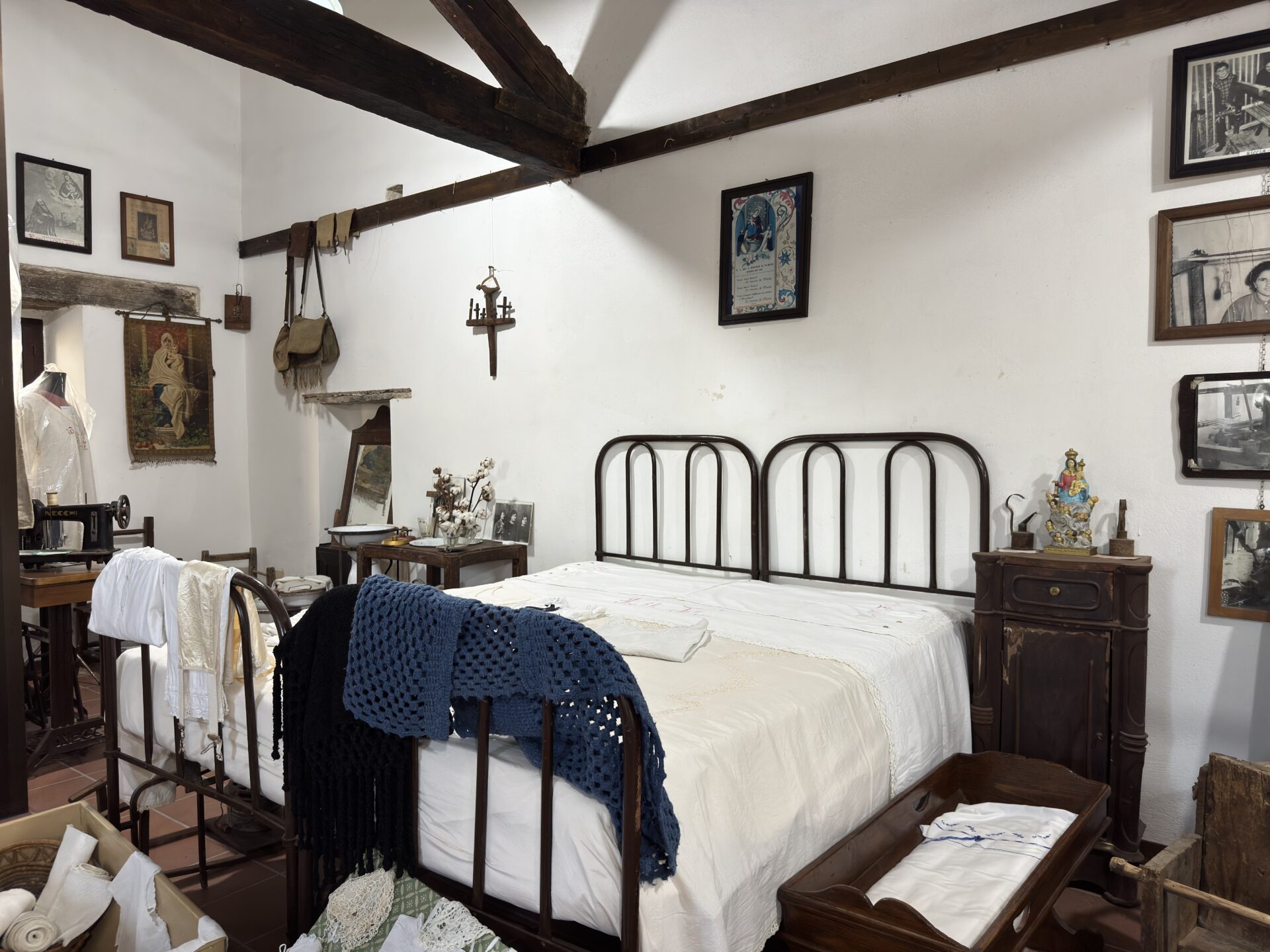
Museum of Folk Arts and Traditions
St John Gualbert Chapel
CAI trails
St Joseph
Saint Anthony
Our Lady of Mount Carmel
Saint Augustine
Living Nativity of Riccia
Mazzocca Woods
Bosco Mazzocca is a natural area included in the Natura 2000 Network.
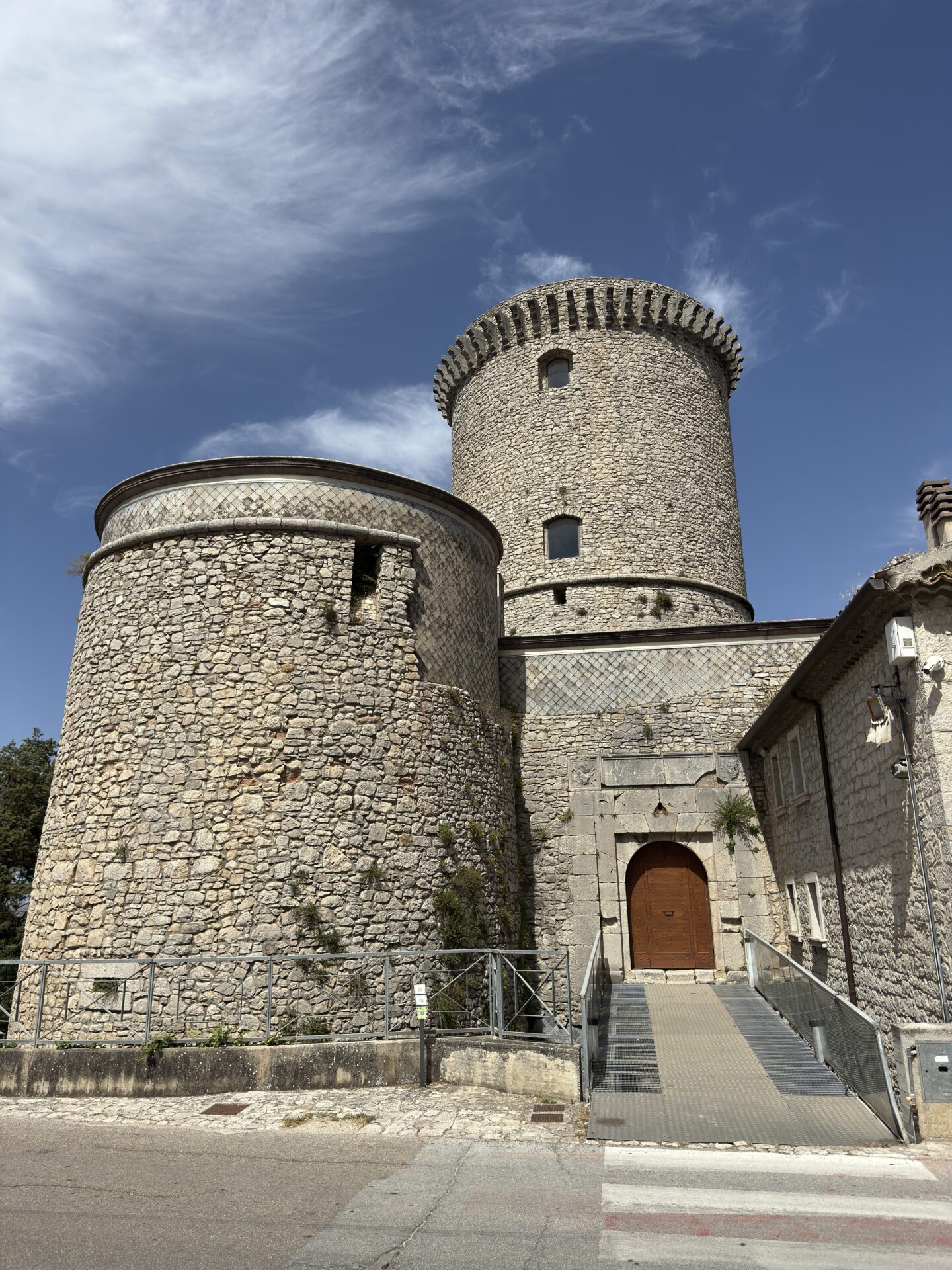
Medieval Castle
Medieval castle of uncertain origin. Under the astute and ambitious Bartholomew III of Capua, the castle grew in size and took on a military character, as can be seen from its ruins (the building was destroyed by a popular uprising in 1799), represented by a few walls, a few stacks, and a large water tank dug out of the tower, which still rises proudly from the rock face some 20 metres on the east side.
Paolina Fountain
It is an old drinking trough and wash house located in the Contrada Paolina.
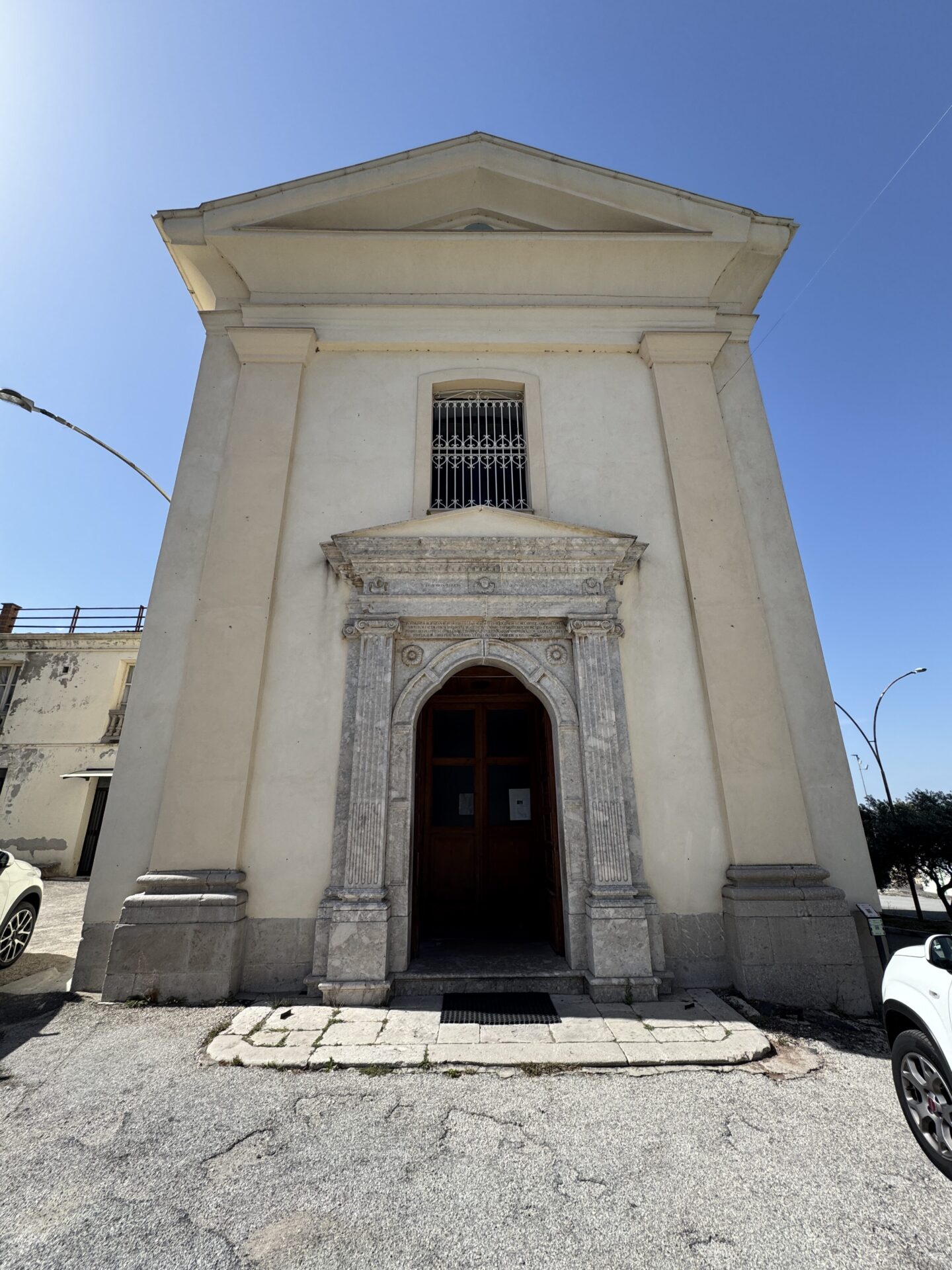
Church of the Annunziata
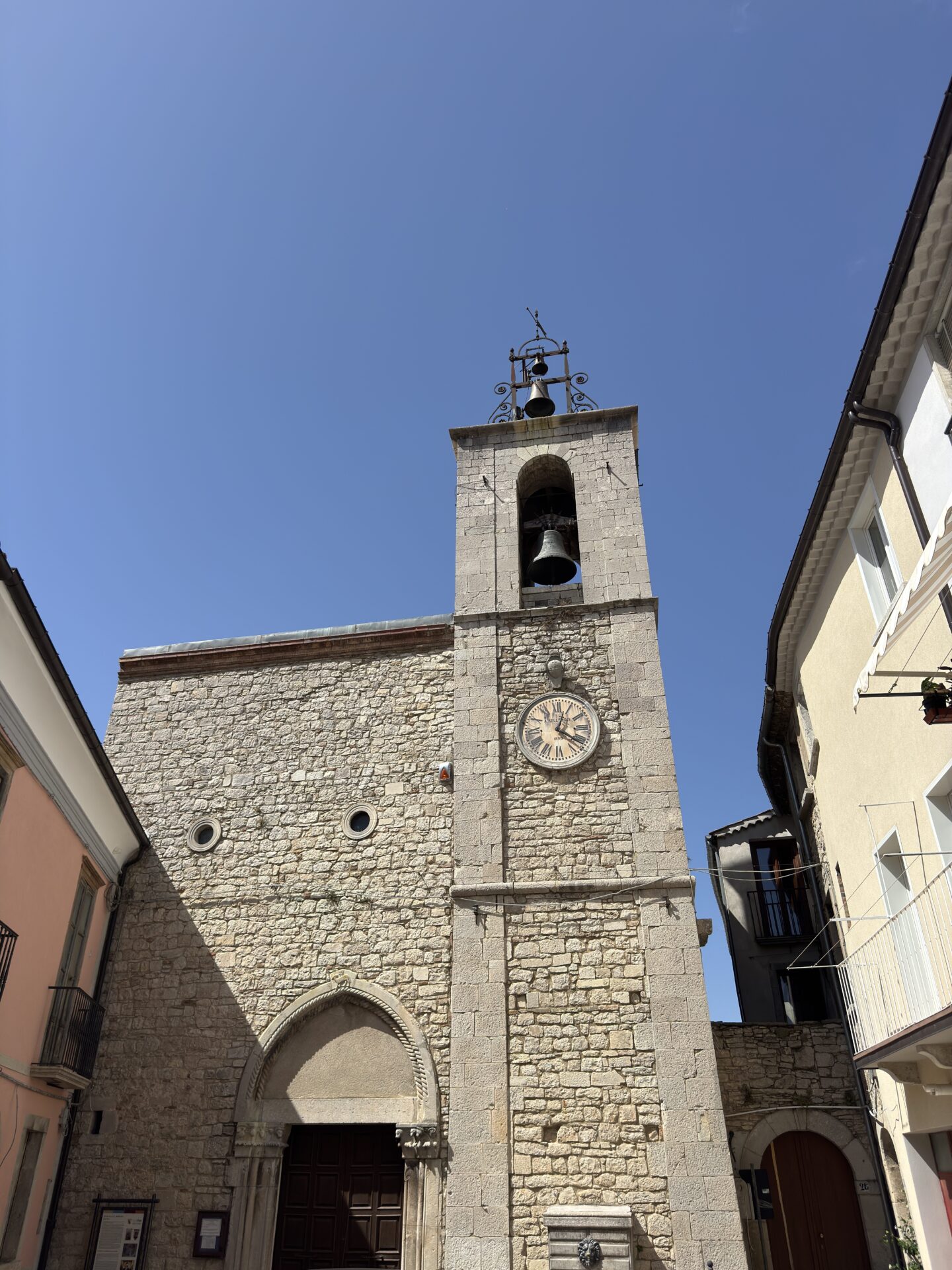
The Church of the Annunziata, which borders Via Zaburri, was built in 1378. It is a single-nave building with a rectilinear upper façade, a very simple ogival portal, decorated with minute columns with symbols reminiscent of the Romanesque style.
Sedati Square Fountain
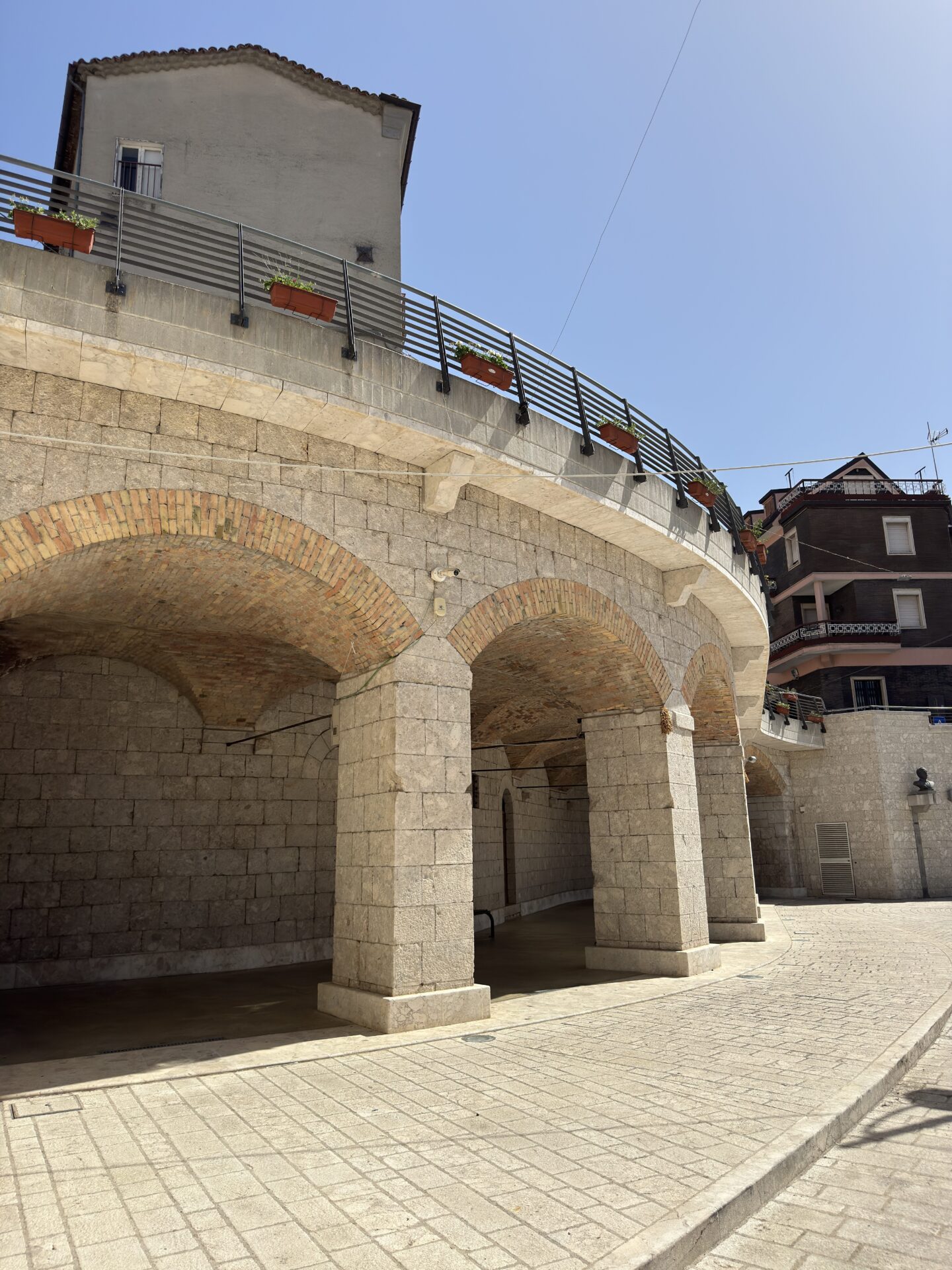
An ancient 17th-century fountain located at the beginning of the historic centre near the town hall, which, together with the watchtower, dominates the entrance to the historic centre, now home to the town hall.
Shrine of the Blessed Virgin of Carmine
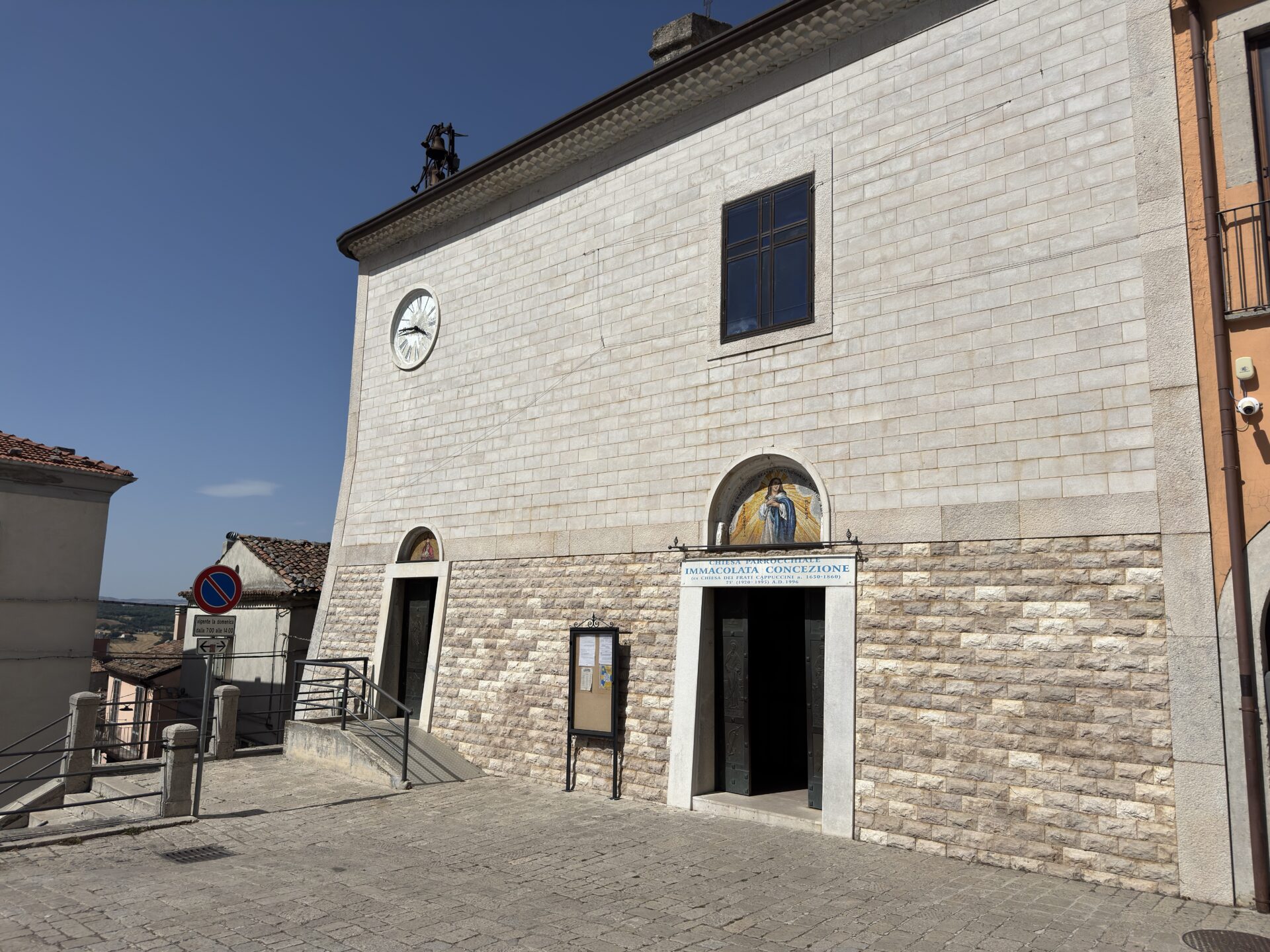
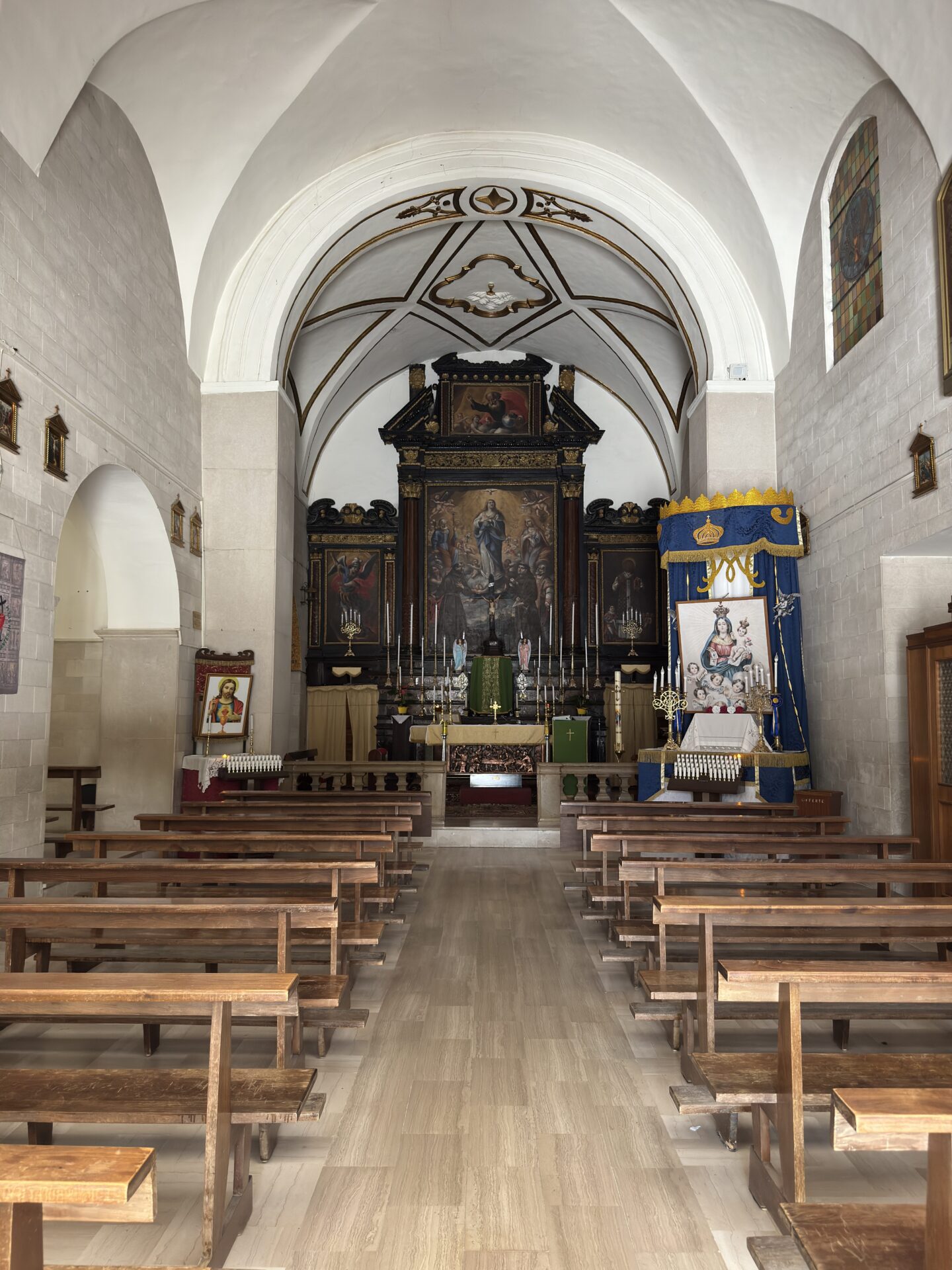
The Church or Sanctuary of the Blessed Virgin of Carmine in Riccia (CB) is a shrine built between 1450 and 1536. Inside, for more than three centuries the object of worship, was an altarpiece (triptych) depicting the Virgin with the prophets Elisha and Elijah on either side.
Church of Blessed Stephen
The Church of Santa Maria delle Grazie, commonly called the Church of Blessed Stephen, is a fundamental element in the architectural complex of Piano della Corte, the centre of the ancient medieval village.
Museum of Folk Arts and Traditions
Various tools used by the oldest, wisest and most experienced generations in the village can be admired in the museum. In recent times, the Museum has also been enriched with the first wooden plough from the 1700s, a peasant wedding dress from the end of the 19th century, a night dressing gown woven on looms from the beginning of the 20th century, as well as musical instruments such as trumpets and trombones, also from the end of the 19th century, and a store scale with all the period salt outfits from the beginning of the 20th century.
St John Gualbert Chapel
It is a small rural church located in the middle of the forest and dedicated to St John Gualbert, protector of foresters.
CAI trails
These are two routes that respectively connect Riccia with Gambatesa and Riccia with the CAI Italia trail near the Mazzocca forest.
St Joseph
Religious procession linked to the table of St Joseph with characteristic products of the rural tradition, among others the calzone di San Giuseppe for which the municipal denomination (DECO) has been recognised.
It is celebrated on 19 March.
Saint Anthony
Religious festival with a procession followed by an evening performance, celebrated on 13 June.
Our Lady of Mount Carmel
Religious festival (Co-Patron Saint) with a procession followed by an evening performance, celebrated on 15 July.
Saint Augustine
Religious festival (patron saint) with a procession followed by an evening show.
Living Nativity of Riccia
At the end of the year, the Bethlehem play takes place in Riccia with over 200 participants.
Don't miss the novelties of the Fortore Ecomuseum: sign up for the newsletter!
Manage Consent
To provide the best experiences, we use technologies such as cookies to store and/or access device information. Consenting to these technologies will allow us to process data such as browsing behaviour or unique IDs on this site. Not consenting or withdrawing consent may adversely affect certain features and functions.
Functional
Always active
Technical storage or access is strictly necessary for the legitimate purpose of enabling the use of a specific service explicitly requested by the subscriber or user, or for the sole purpose of carrying out the transmission of a communication over an electronic communications network.
Preferences
Technical storage or access is necessary for the legitimate purpose of storing preferences that are not requested by the subscriber or user.
Statistics
Technical archiving or access that is used exclusively for statistical purposes.Technical storage or access is used solely for anonymous statistical purposes. Without a subpoena, voluntary compliance by your Internet Service Provider, or additional records from third parties, information stored or retrieved for this purpose alone cannot usually be used for identification purposes.
Marketing
Technical storage or access is necessary to create user profiles to send advertisements, or to track the user on one website or several websites for similar marketing purposes.