Pietracatella
Pietracatella Map

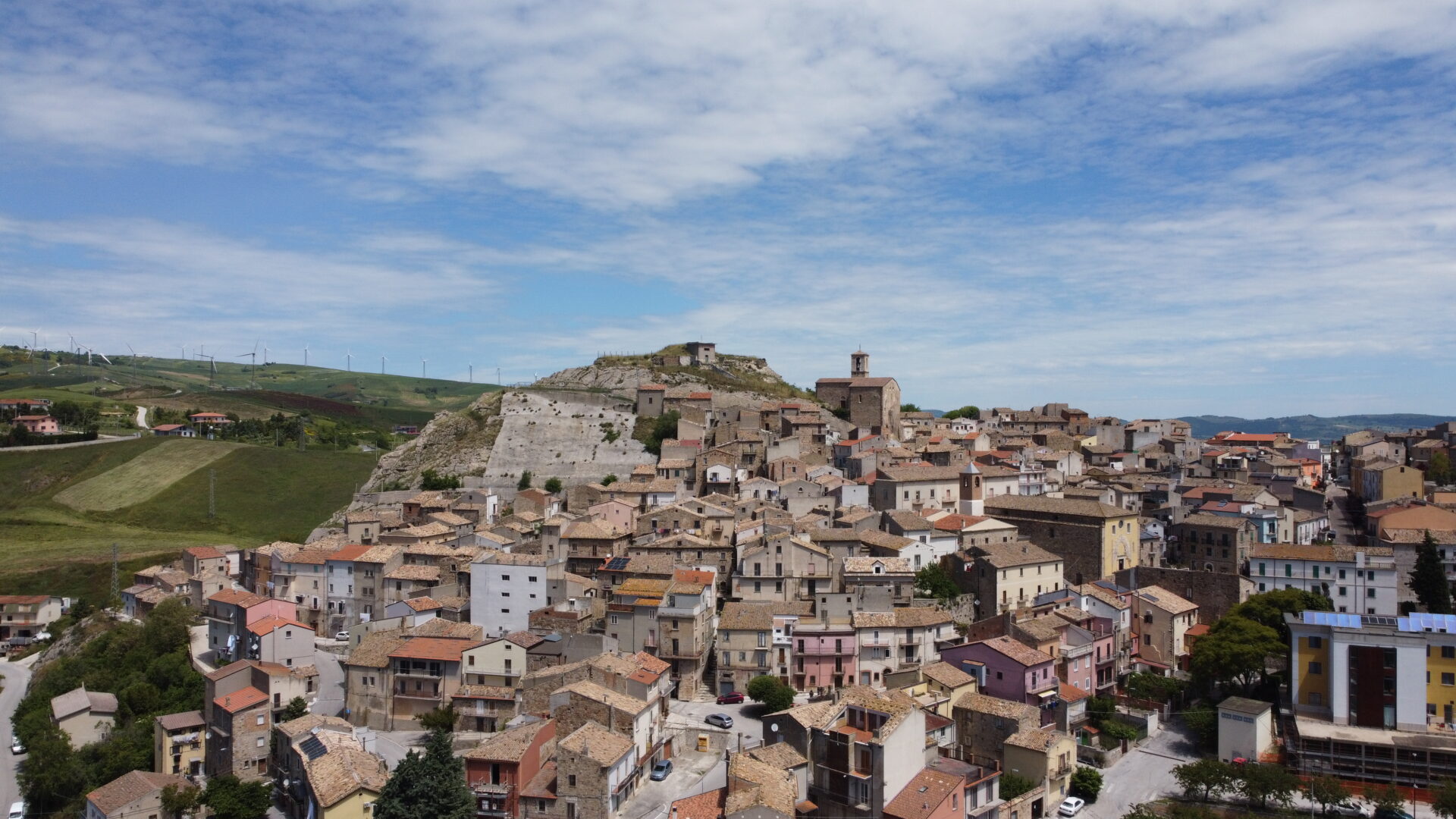
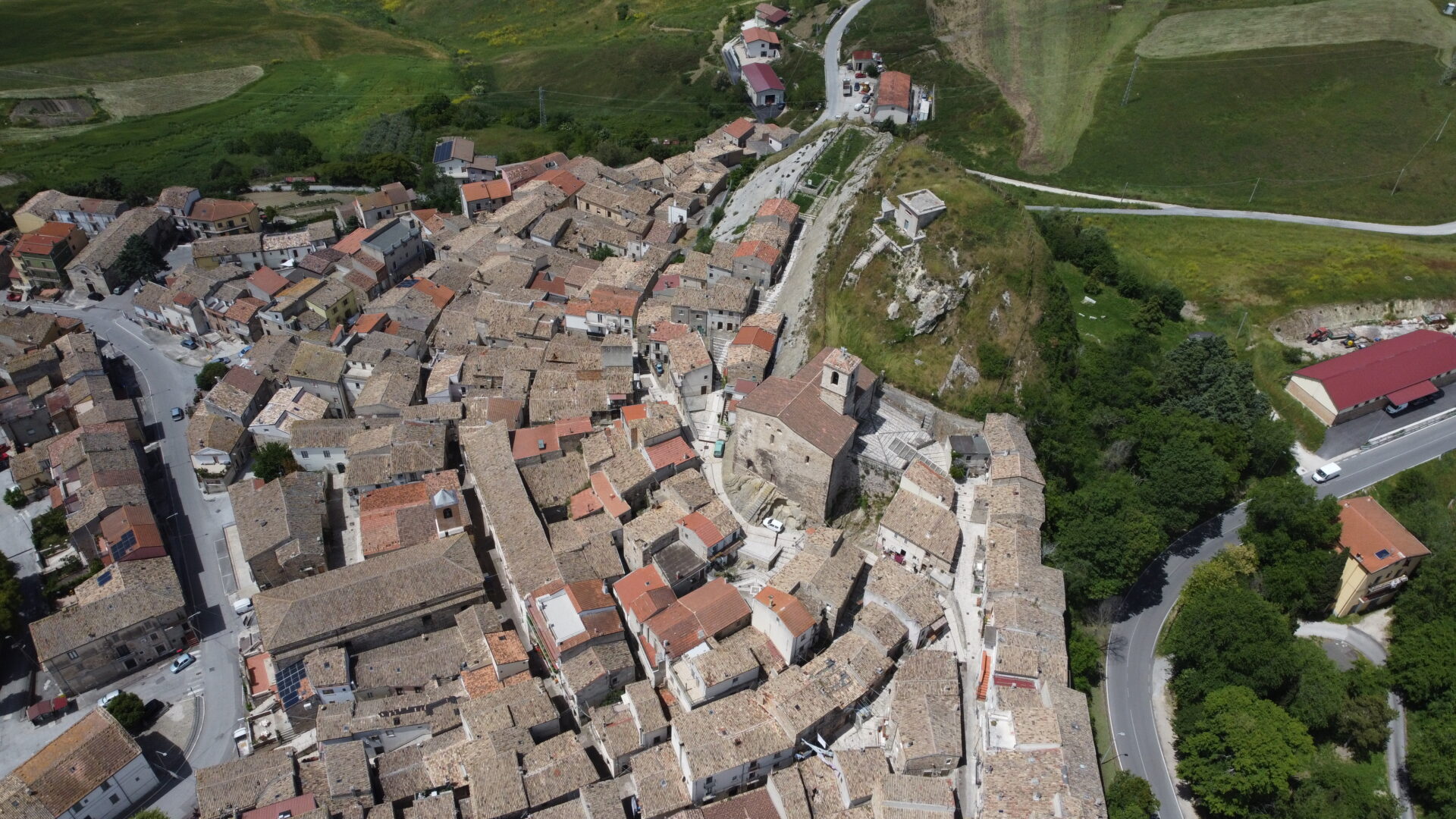
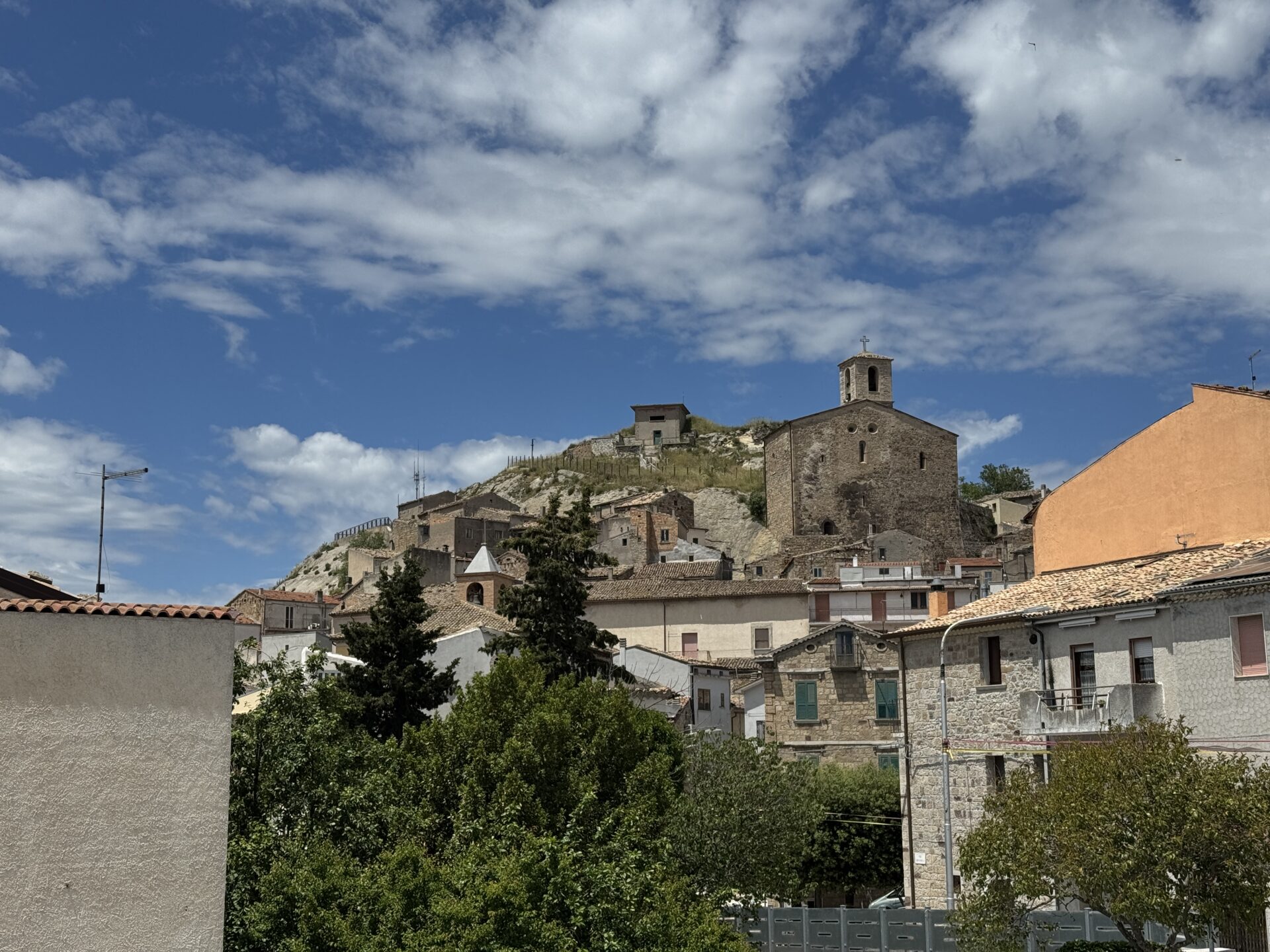
Pietracatella is a small town in Molise in the province of Campobasso located on the border with Puglia. The entire town is perched on a rocky spur of tuffaceous nature, to the left of the Tappino stream, about 725 metres above sea level, which the locals, the Pietracatellesi, call 'Morgia'.

The origins of Pietracatella are not defined, but the toponym derives from the union of Stone And Catella. Tradition has it that the town grew after the earthquake of 5 December 1456, when the inhabitants of Catella moved here. In the 16th century, due to the increase in population, the urban perimeter was extended with new walls and five gates (including Porta Nuova, which still exists). In 1599, the Church of St John the Baptistat the centre of the new settlement.

Between the 16th and 17th centuries, the settlement remained within the walls, with a few houses and a few churches outside. The population remained stable until the 18th century, but in the early 19th century, the town expanded beyond the walls, first in a sprawling manner and then more extensively, with new villages springing up near the gates. Later, the settlement of the rural population led to the demolition of the ancient walls in order to build new dwellings on their route.

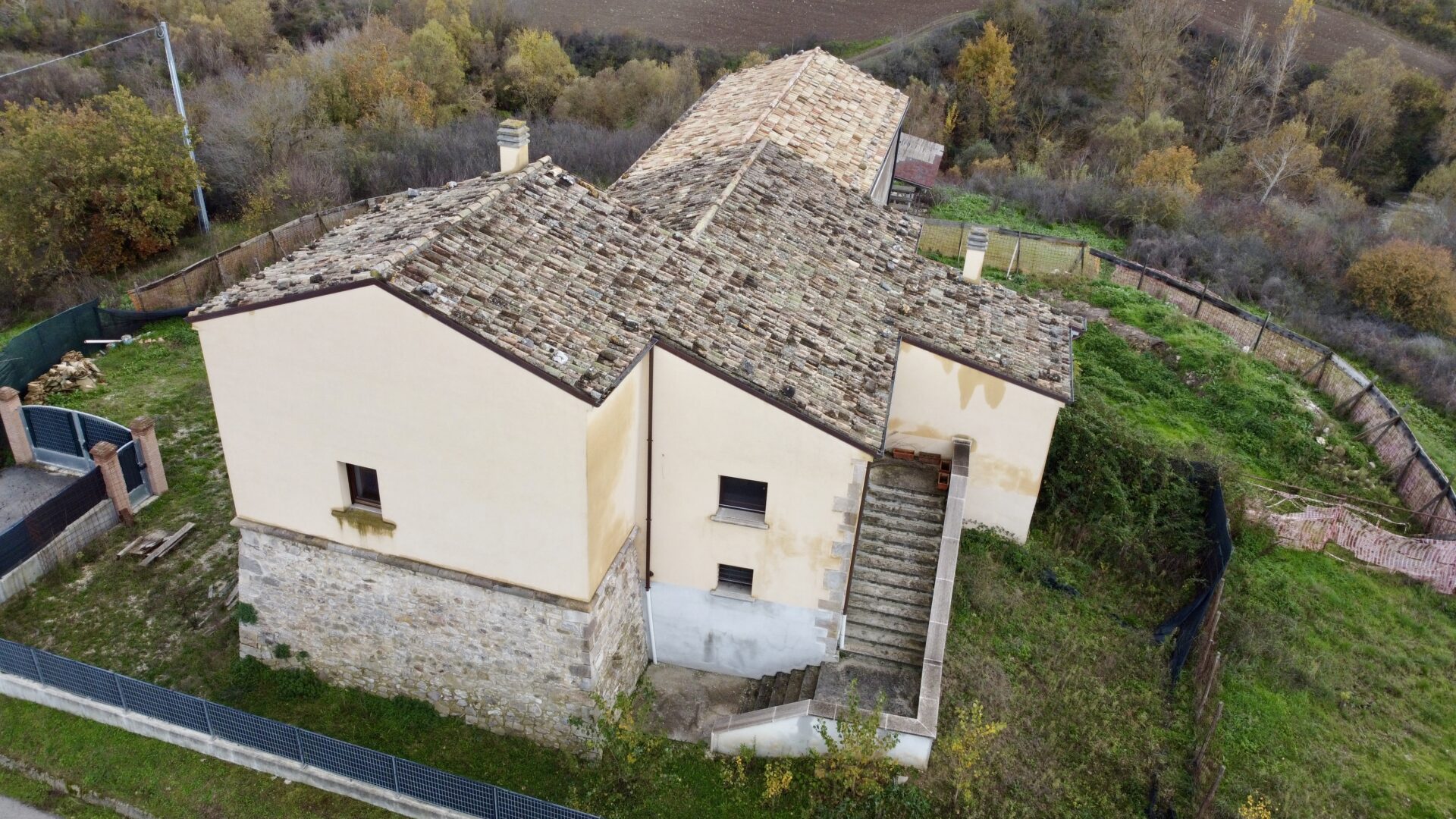
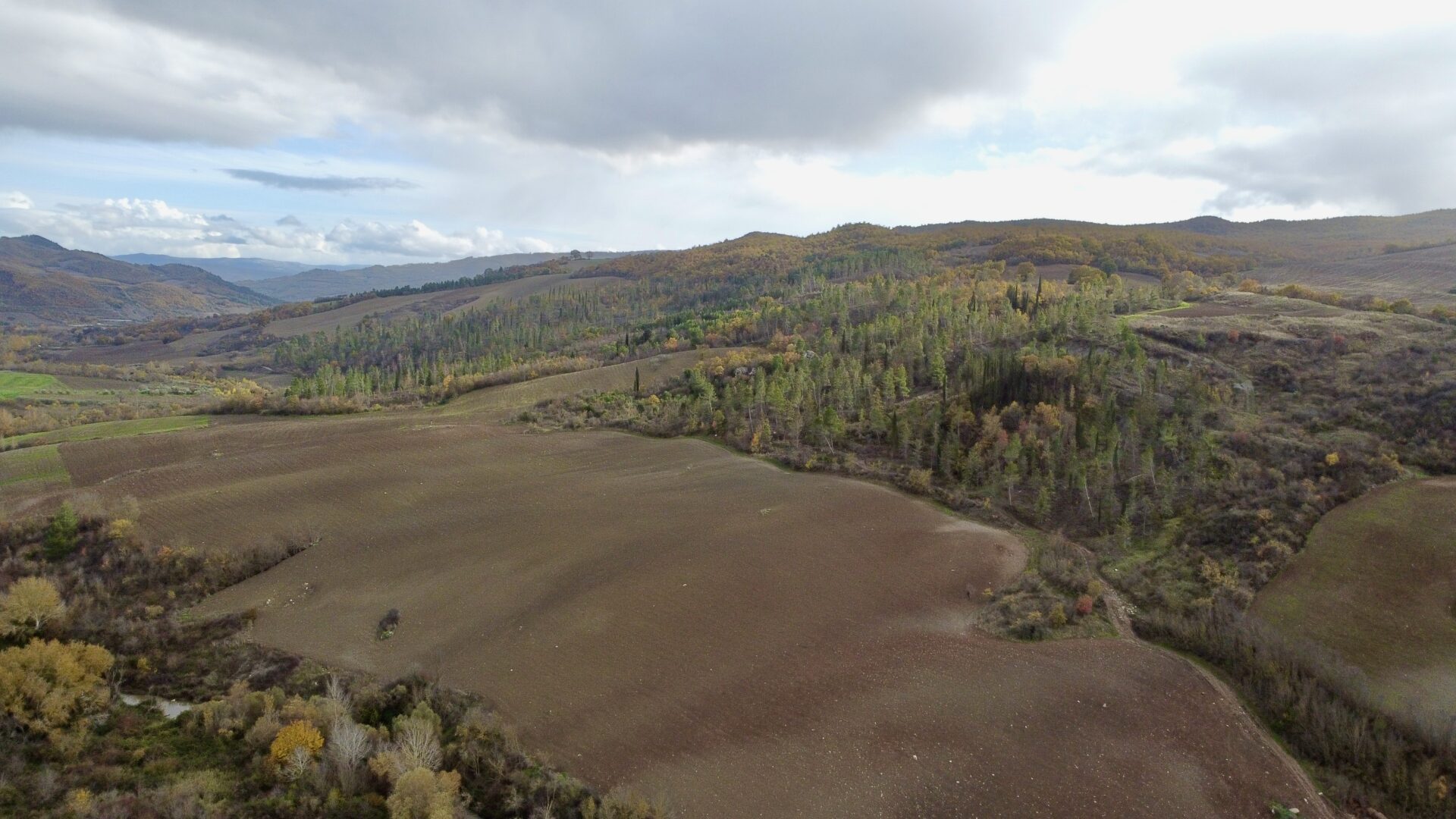
The landscape of the area is characterised by cereal fields and rows of vines and olive groves. Splendid are the views, especially in spring and summer, and varied is the nature furrowed by small stone buildings, the masserie, and the remains of ancient buildings such as the monastery of Villa Grimaldi or the Taverna in which shepherds and travellers stayed during the journey along the sheep-track leading to Apulia.

Heritage

  • IMG 0993
  • dji fly 20251126 121538 233 1764161785131 photo optimized
  • IMG 7207
  • dji fly 20251126 122330 242 1764161785121 photo optimized
  • IMG 7215
  • IMG 0909
  • dji fly 20251126 121646 237 1764161785127 photo optimized
  • IMG 7212
  • IMG 7222
  • IMG 0958
  • dji fly 20251126 135144 270 1764161785089 photo optimized
  • IMG 7224
  • IMG 7231
  • DCIM100MEDIADJI 0592.JPG
  • DCIM100MEDIADJI 0589.JPG
  • IMG 0979
  • IMG 7203
  • Architectural Complex of the Church of St. James the Greater and the Crypt of St. Margaret of Antioch

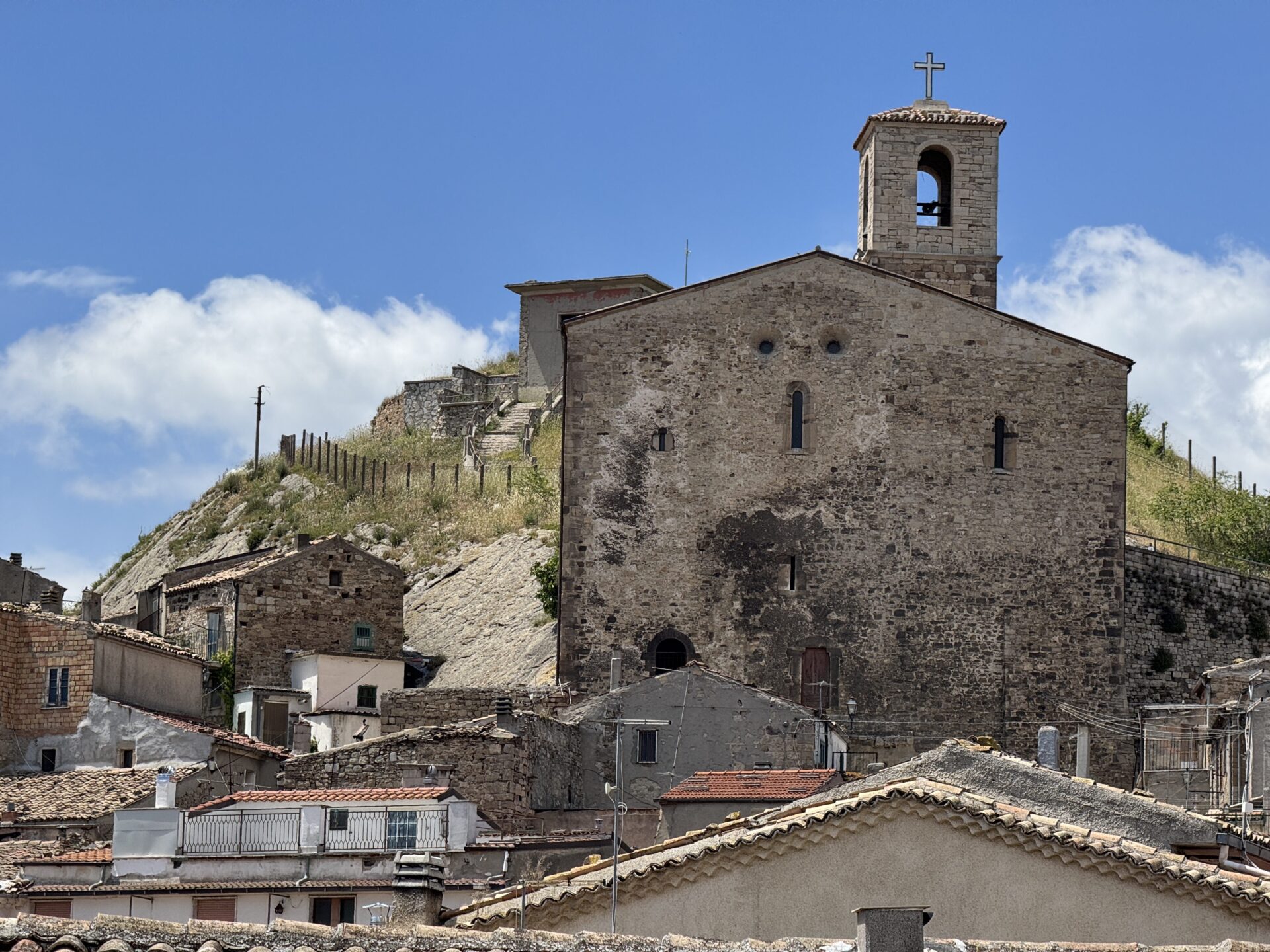
    On top of the Morgia di Pietracatella stands the oldest faith complex in the area: the Church of St James the Apostle the Greater and the crypt of St Margaret of Antioch.

    Of late antique origin, the first room on the lower level preserves the remains of an altar built on the rock, probable evidence of the pagan cult of Mithras. Next to it is the cryptwith an apse carved into the tuff and entirely frescoed in the first half of the 14th century. The frescoes narrated the Life and Passion of Christ; today only a few fragments remain in the large sacristy, including the scene of the Peter's denials and the polychrome fascia with geometric motifs that decorated the vault.

    The church above was built in the first half of the 14th century and the only altar was consecrated on 16 May 1703 by Cardinal Vincenzo Maria Orsini. It was dedicated to St James, the Virgin Mary, St Anthony Abbot and St Gennaro.

    The building, with its unusual layout, has a single nave with side rooms; the first two bays have cross vaults. Of note are the gothic capitals decorated with phytomorphic motifs and thestoup decorated with eight-petalled florals.

  • Parish of St John the Baptist

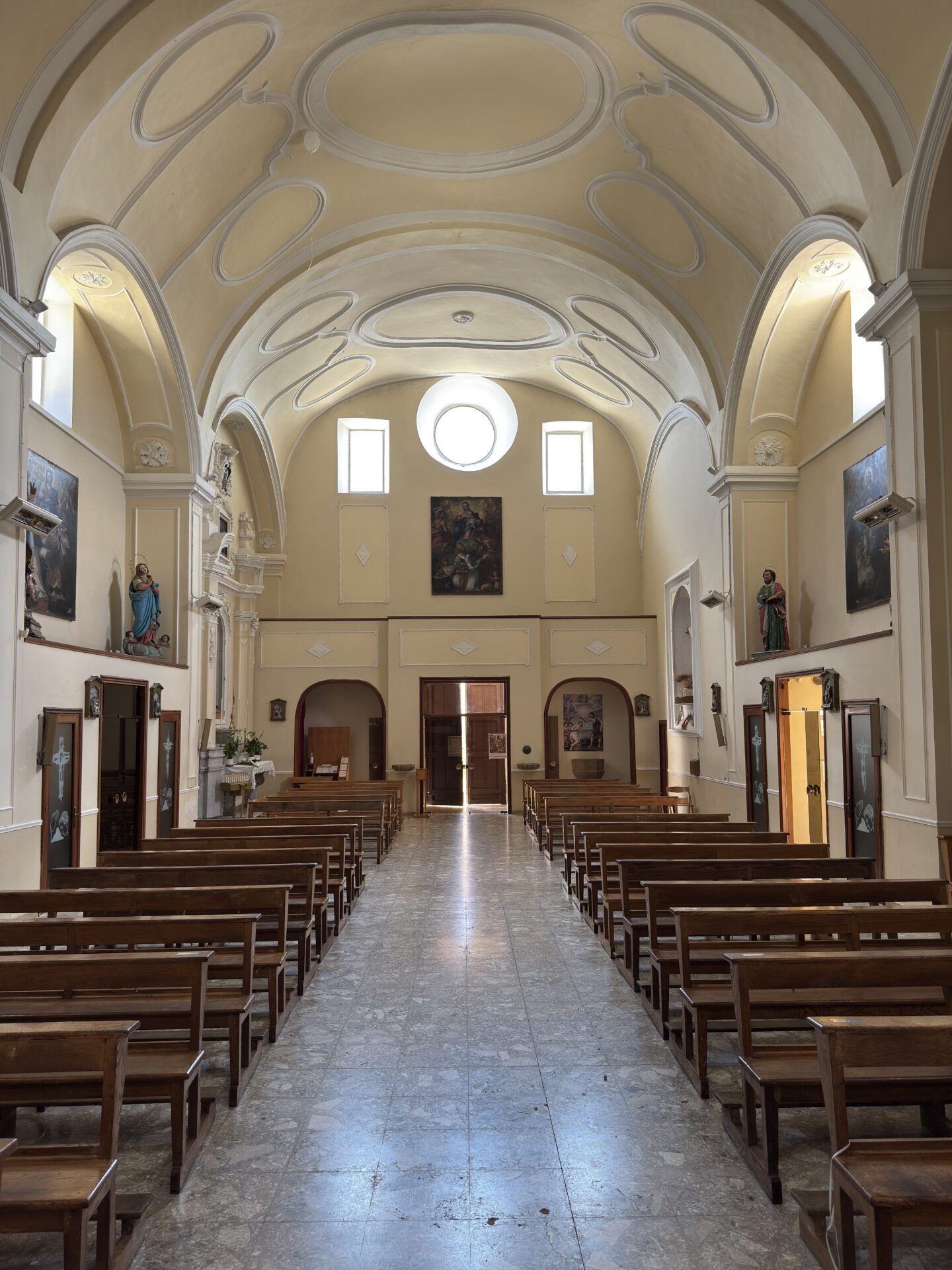
    La Archpriest's and Reception Church of St John the Baptist, the current parish church, was built at the end of the 16th century in the centre of the medieval village, as the previous parish church was too small for the growing population. The high altar and the church were consecrated by Cardinal Vincenzo Maria Orsini (later Pope Benedict XIII) the 5 October 1690 and the 19 July 1696.

    Some historians speculate serious damage from a fire in the 1715with restorations lasting until 1721, a hypothesis, however, not confirmed by documents. In the apse is a statue of the titular saint, St John the Baptistimposing papier-mâché work created in 1871 by brothers Michele and Gabriele Falcucci of Atessa.

    After the collapse of the apse basin in the Christmas 1995the presbytery, altar, ambo and wooden choir have been reconstructed in modern forms.

  • Church of St. Nicholas

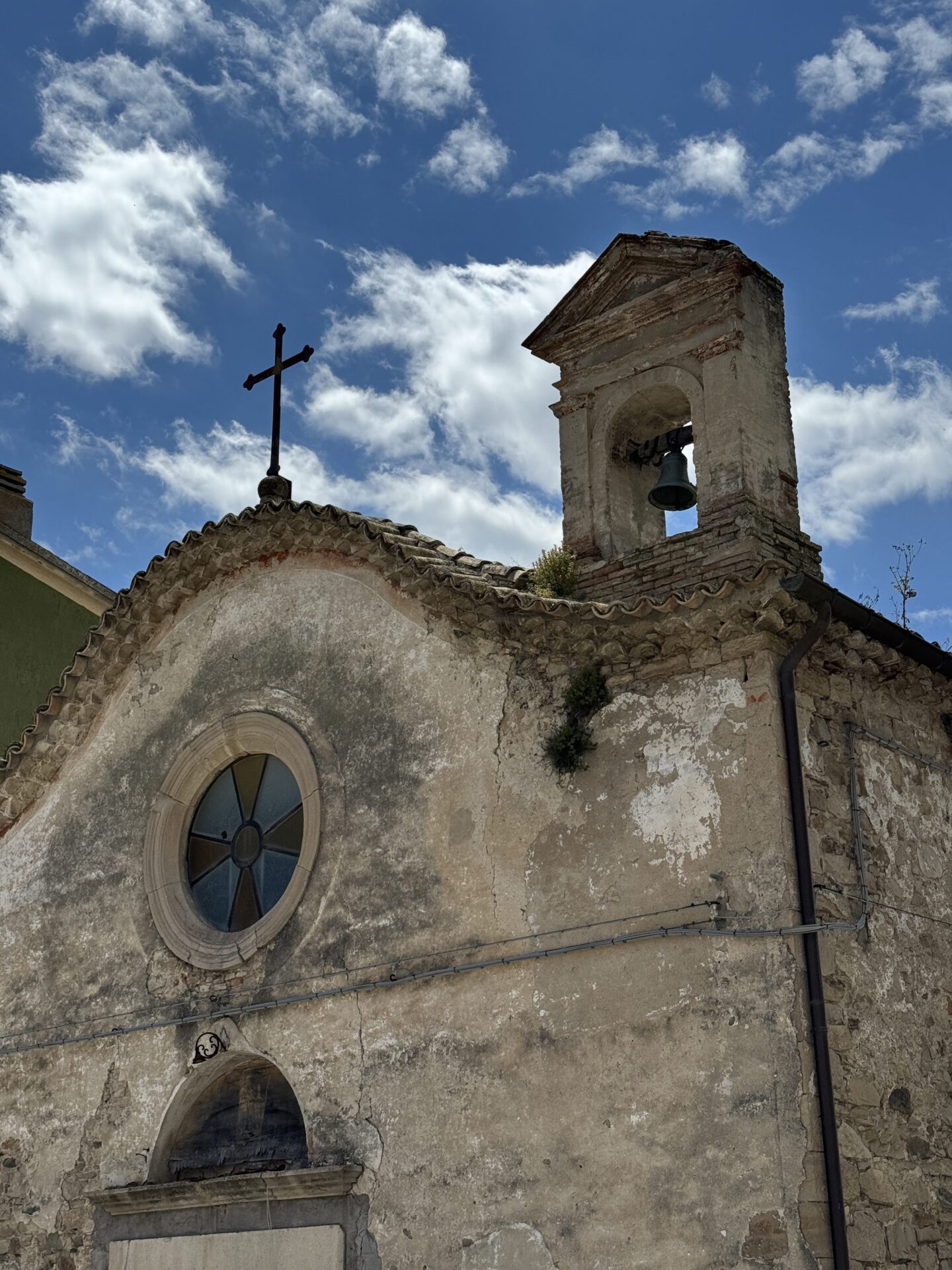
    The church of St Nicholas of Bari and the adjoining convent were built around 1580 for the devotion of Cristoforo Ceva Grimaldi and his son Gian Francesco, the first Marquis of Pietracatella, to accommodate the friars coming from the convent of Santa Maria del Pesco. At first isolated from the rest of the town, the complex, of which only the church and a few rooms connected to it (hermitage) remain today, was held by the Augustinian friars of St Nicholas of Tolentino. The monastery was suppressed in 1653 by decree of Pope Innocent X, and in 1696 it was transformed into a Spedale (also called Spedale nuovo) for the reception of travellers and pilgrims. The church, consecrated by Cardinal Vincenzo Maria Orsini in 1705, consists of a single nave. It once had six minor altars, which have now disappeared, but the wooden choir stalls with the organ built by Elia Favorito of Naples in 1894 remain. In the small bell gable, located on the right side of the façade, hangs the bell that belonged to the former convent of Santa Maria di Pescarello, cast around 1564. A Confraternity was also dedicated to the Saint of Bari, established in 1891 and dissolved in 1937 due to lack of members.

  • Church of St. Mary of Constantinople

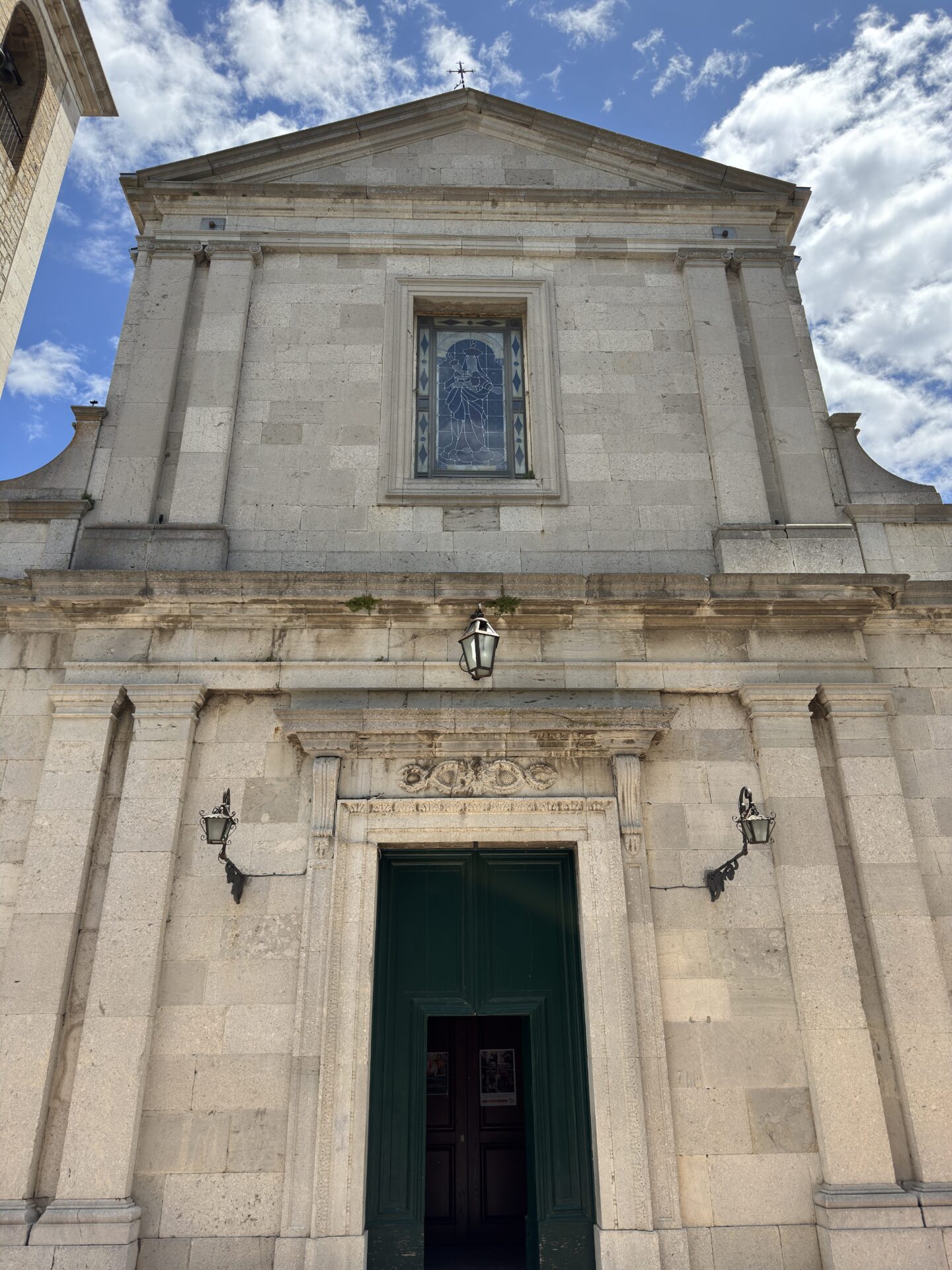
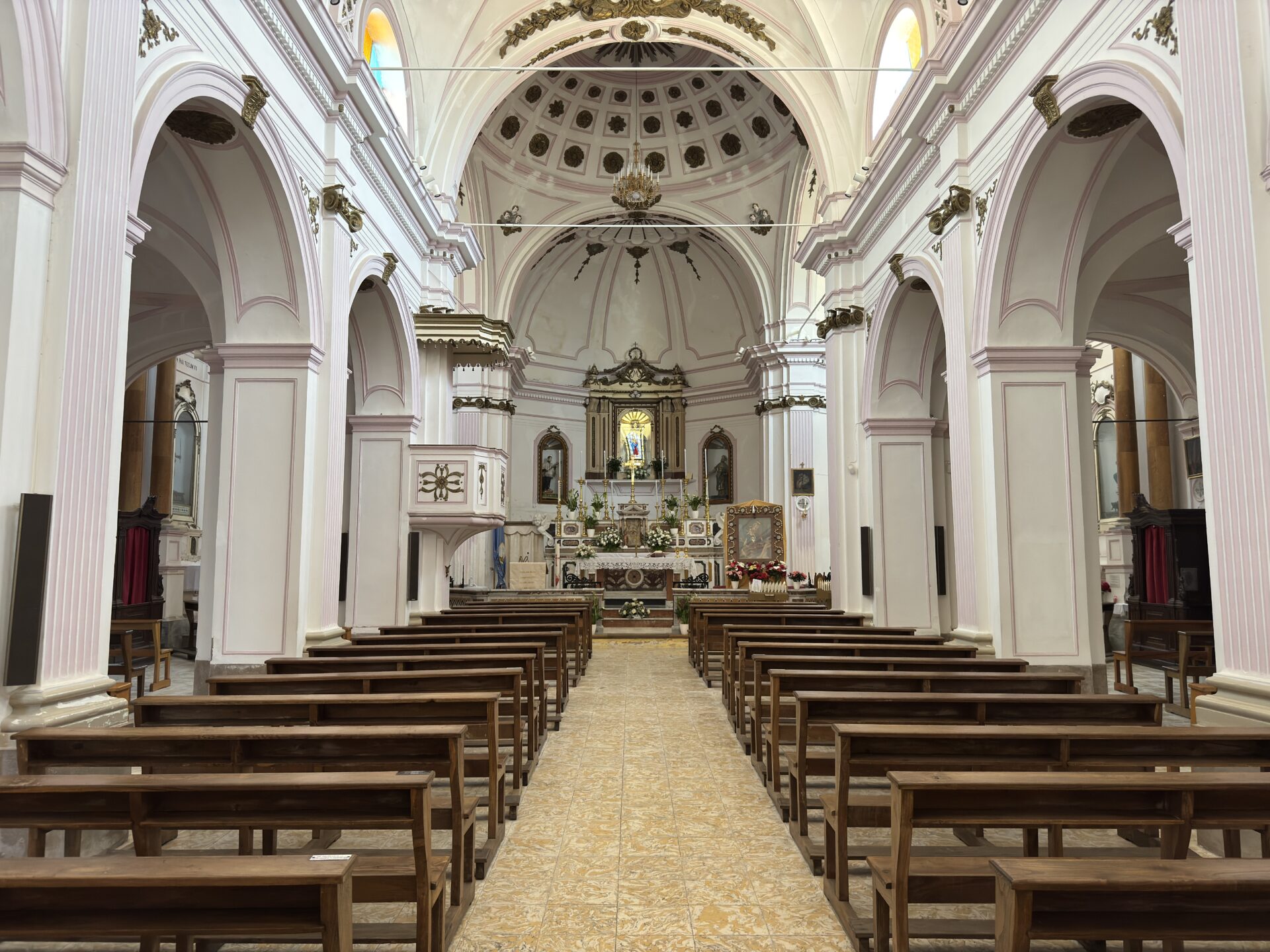
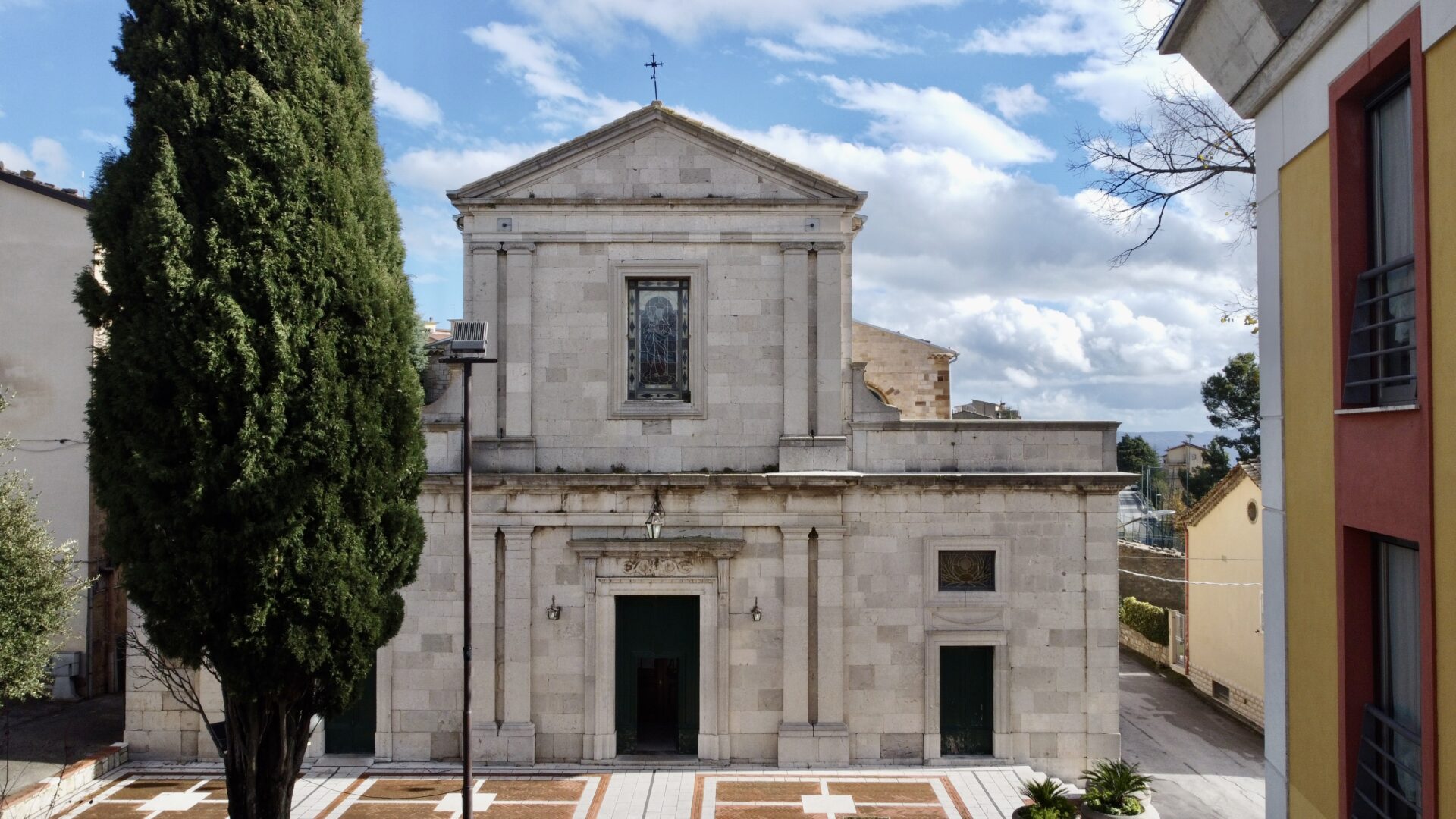
    La Church of St Mary of Constantinople of Pietracatella has its origins in the 14th century with a rural chapel in the locality of Puzzoreo, which housed a wooden statue of the Madonna and Child. The chapel fell into ruin and in the 1690 the cardinal Vincenzo Maria Orsini (later Pope Benedict XIII) ordered its closure, moving the image to the church of San Rocco. It was Orsini himself who gave it the title of St. Mary of Constantinople in the 1705consecrating it in the 1713.

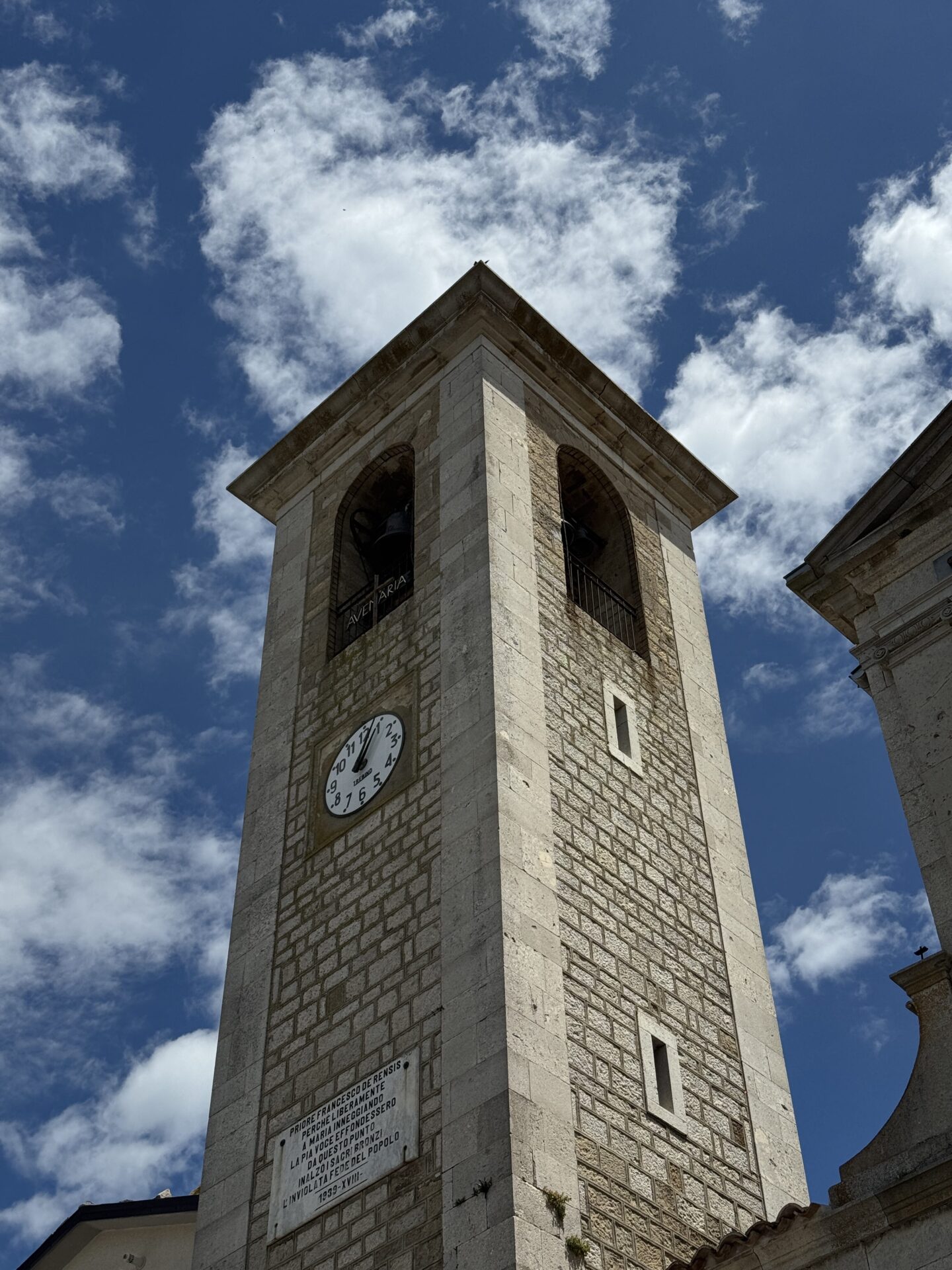
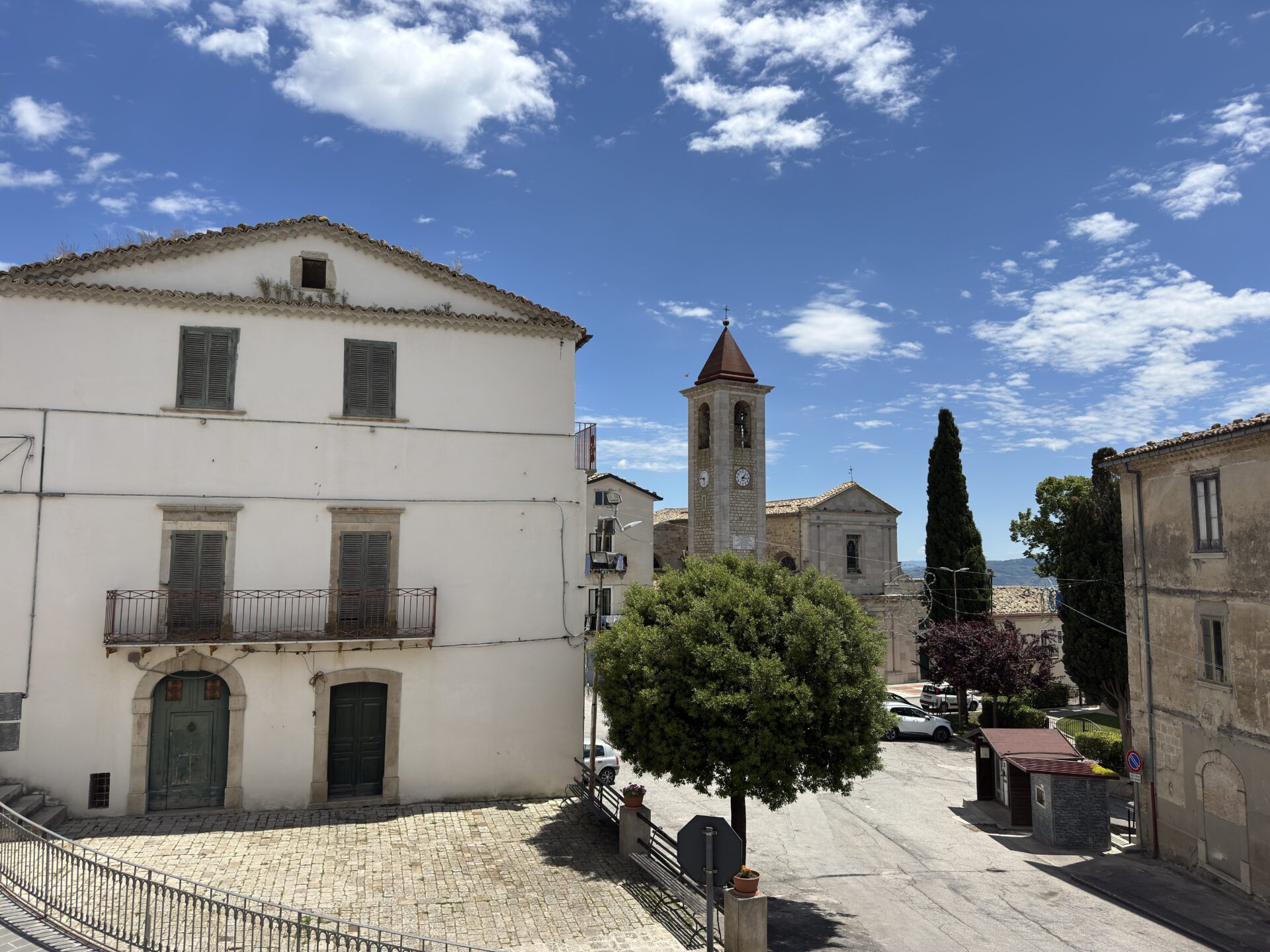
    After several restorations, it was decided in the mid-19th century to build a new, larger church, based on a design by the master Andrea Minchillothe present three-aisled building was consecrated in 1893the façade completed in 1874 and the bell tower in the 1939.

    Inside is a statue of Our Lady of Constantinople (1695, by Giacomo Colombo), a high altar in polychrome marble with cherubs, six minor altars decorated by local masters and an 18th-century organ by Gennaro Severino. The façade was enriched with stained glass windows in the 2000 and, since 2023, the church is Diocesan Shrine dedicated to Workers' Victims.

  • Marchesale Palace

    The ancient marquis's palace was built behind the new parish church erected by the first marquis of Pietracatella, Giovanni Francesco Ceva Grimaldi, in order to have a stable plant in the village and to avoid spending freezing winters in the ancient castle that stood in the upper part of the village. The palace, built in the last decade of the 16th century, also featured a private chapel dedicated to St Nicholas of Bari.

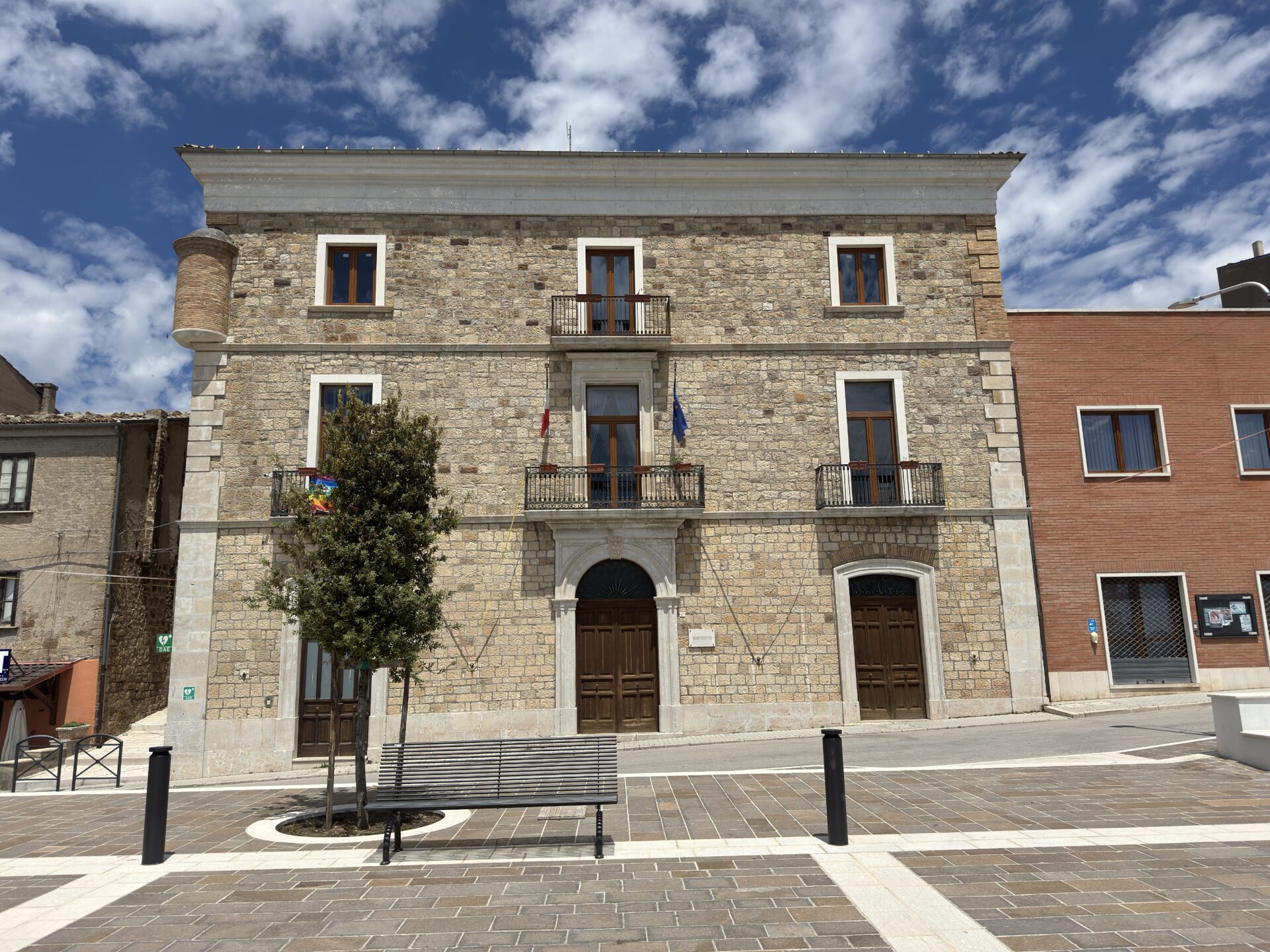
  • Iarossi Palace - Town Hall

    A former aristocratic palace, built in the early 19th century, belonging to the Iarossi family. Acquired around the middle of the 20th century, the palace previously housed both Kindergartens and Secondary Schools.

  • Monument to the Fallen

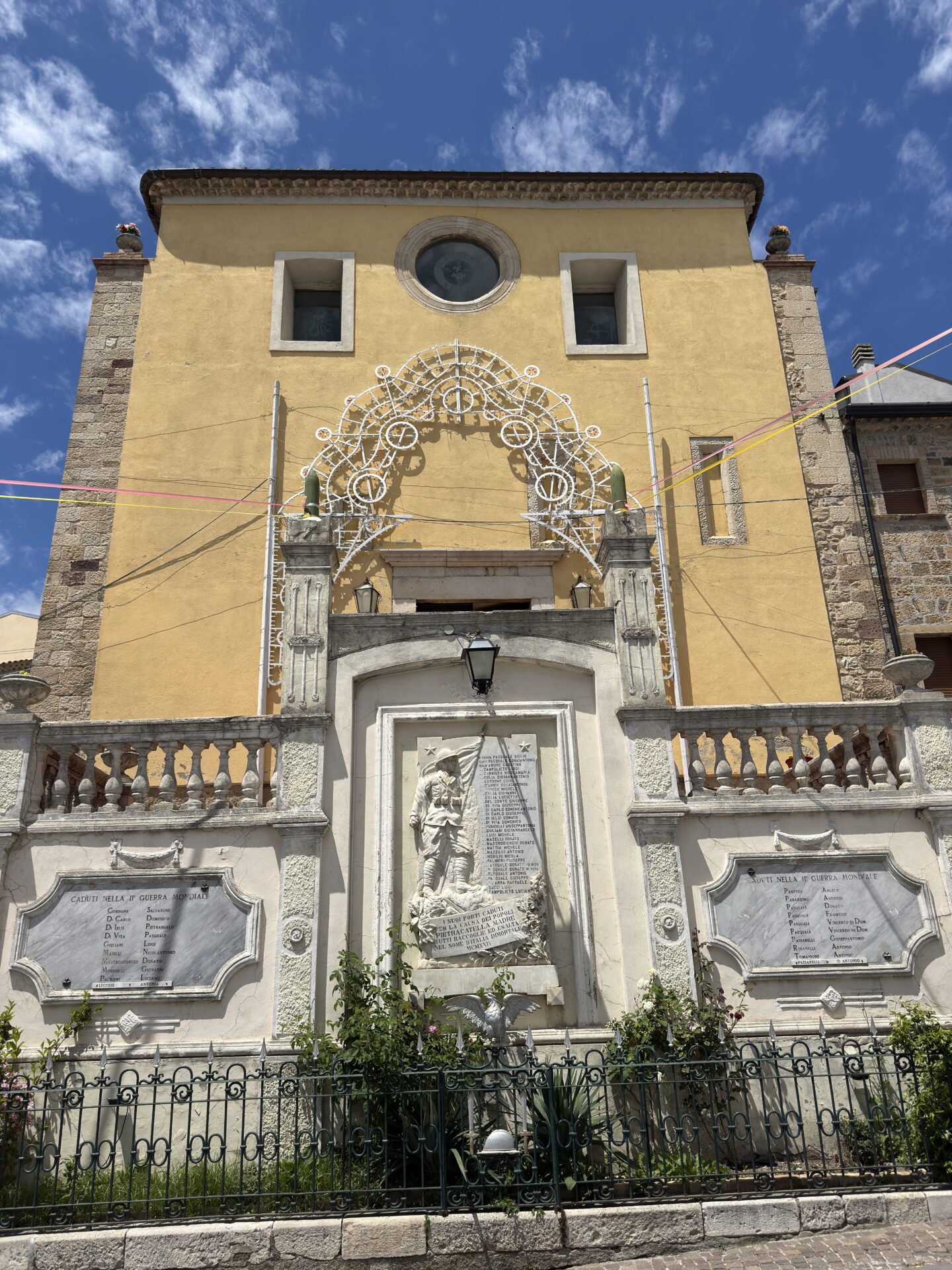
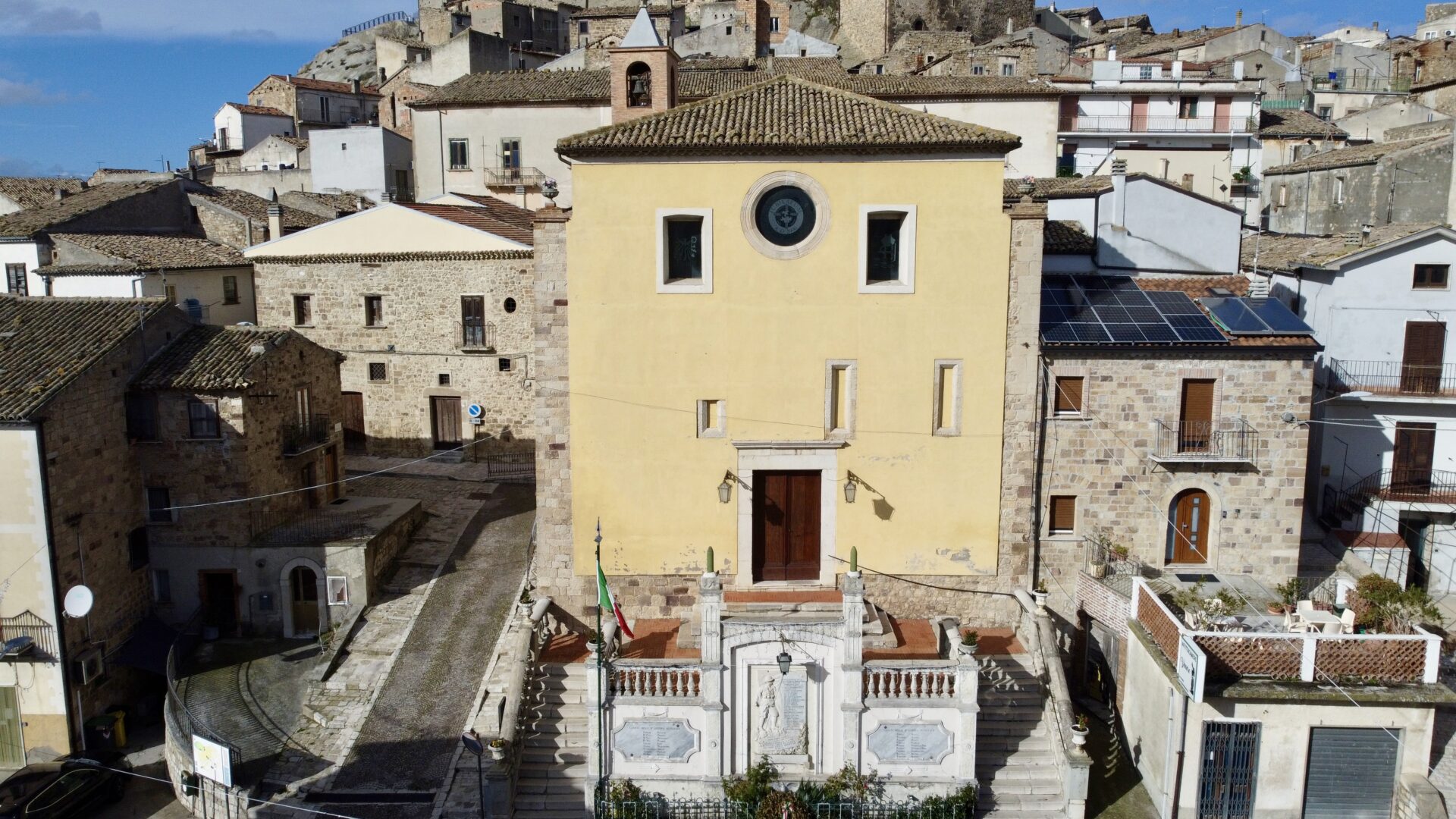
    The war memorial was inaugurated in 1924, designed by engineer Guido Pasquale. It features an artistic marble high-relief by Oratini sculptor Nicola Giuliani, on which is carved a dedication to soldiers who fell for their country, composed by poet Giovanni Bertacchi (1869-1942).

  • Monongah Monument

    The Monongah War Memorial was unveiled on 6 December 2007. It commemorates the seven young Stone Age victims of the mining disaster that occurred on 6 December 1907 at the Monongah mine in West Virginia, the most serious mining accident in the history of the United States.

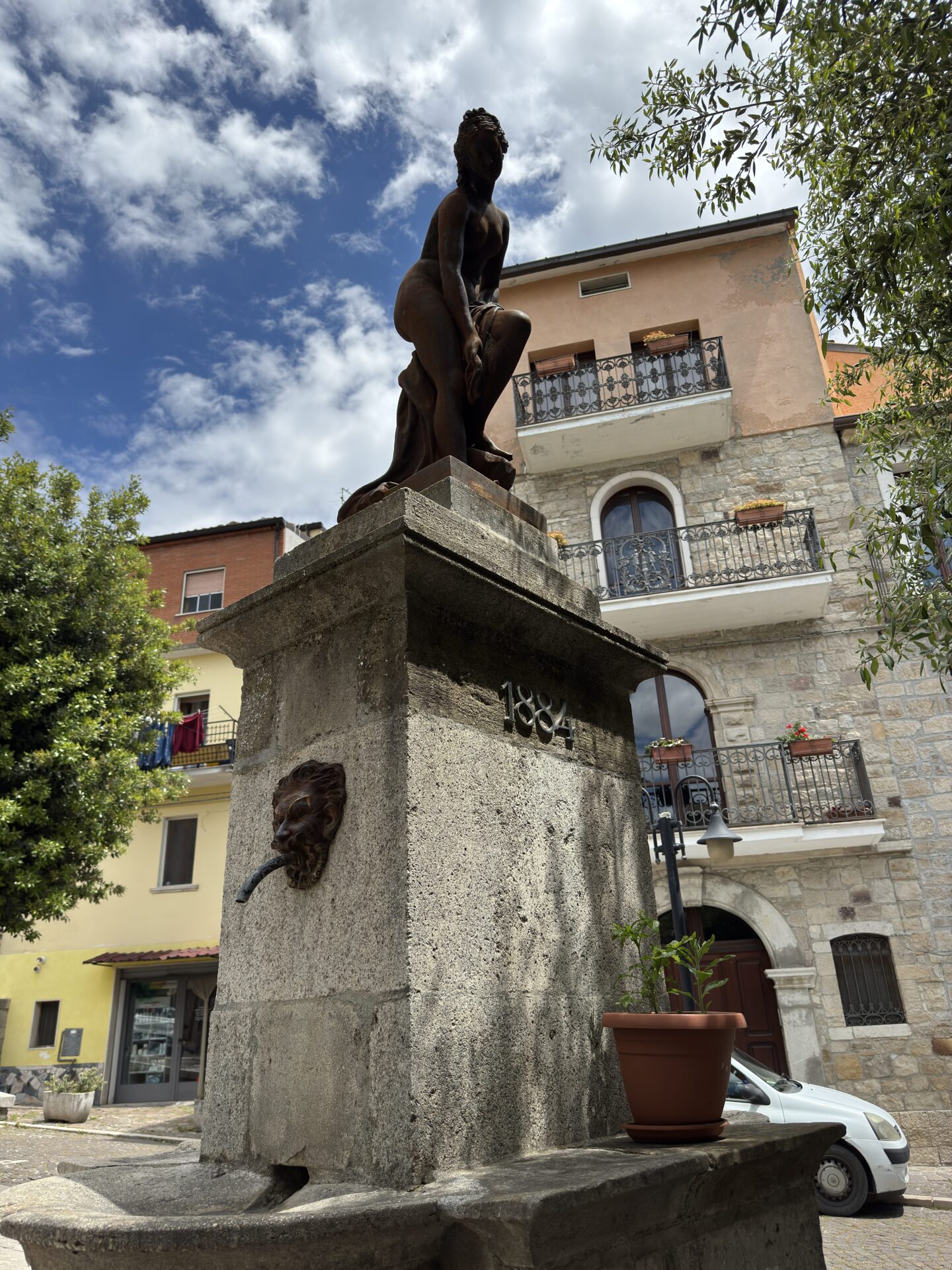
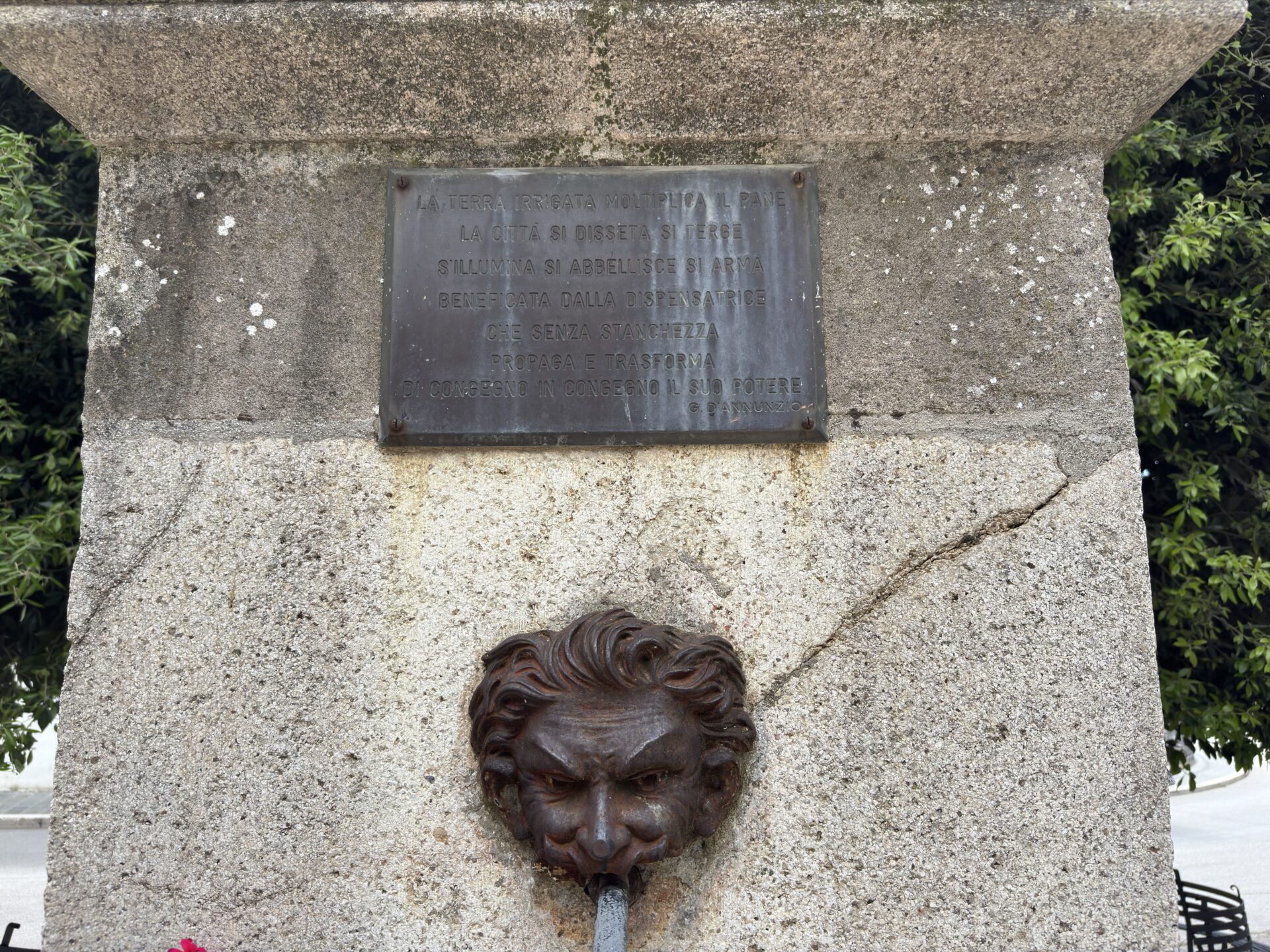
  • Fountain of Venus

    The monumental fountain, known as the Fountain of Venus, and its aqueduct were planned from 1883 and realised the following year. The once larger artistic fountain was reassembled according to the current design in 1944. Removed in the 1970s, it was relocated to its original location in 2000. Consisting of two registers made of local stone blocks, the fountain is characterised by three cast-iron masks from which as many spouts emerge. The top part is decorated with a cast-iron reproduction by the Val D'Osne company of Christophe-Gabriel Allegrain's famous Baigneuse.

  • Villa Grimaldi

    A site of ancient foundation, mentioned as early as the 11th century. Tradition reports the existence of a monastic settlement on this site. The architectural complex, also consisting of the church dedicated to Saint Margaret (news from the 13th century) is known as Villa Grimaldi since the Marquises Ceva Grimaldi transformed it into a country residence (early 17th century).

  • Taverna

    Situated on the Castel di Sangro - Lucera sheep-track, the Taverna was built after the marriage of Giovanni Francesco Ceva Grimaldi, first Marquis of Pietracatella, with Vittoria Del Balzo, daughter of Marcantonio lord of Santa Croce (the Ceva-Grimaldi/Del Balzo coat-of-arms can be seen on the façade). For centuries, it was a place of shelter and refreshment for transhumants.

  • Stationary and Mission Crosses

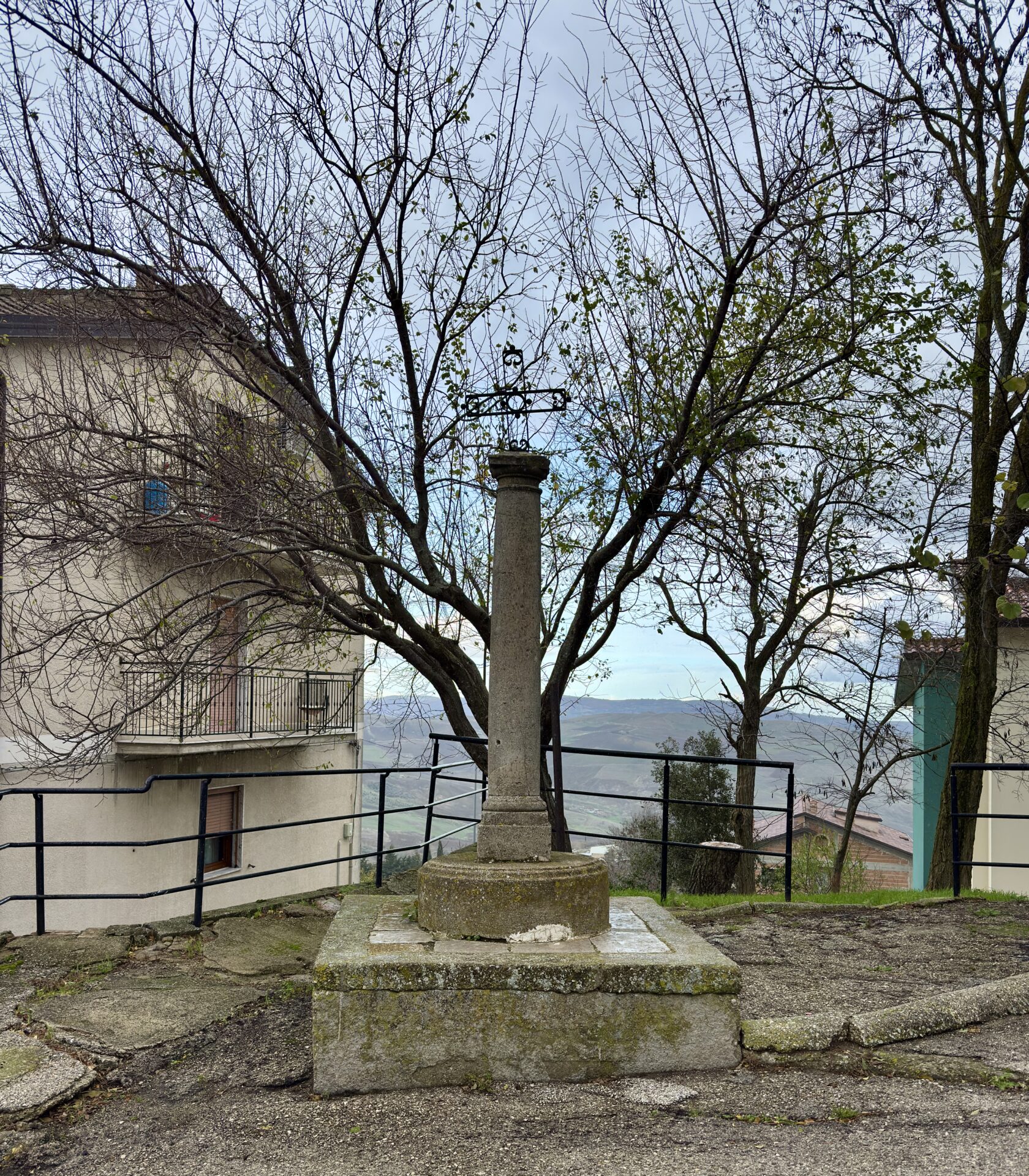
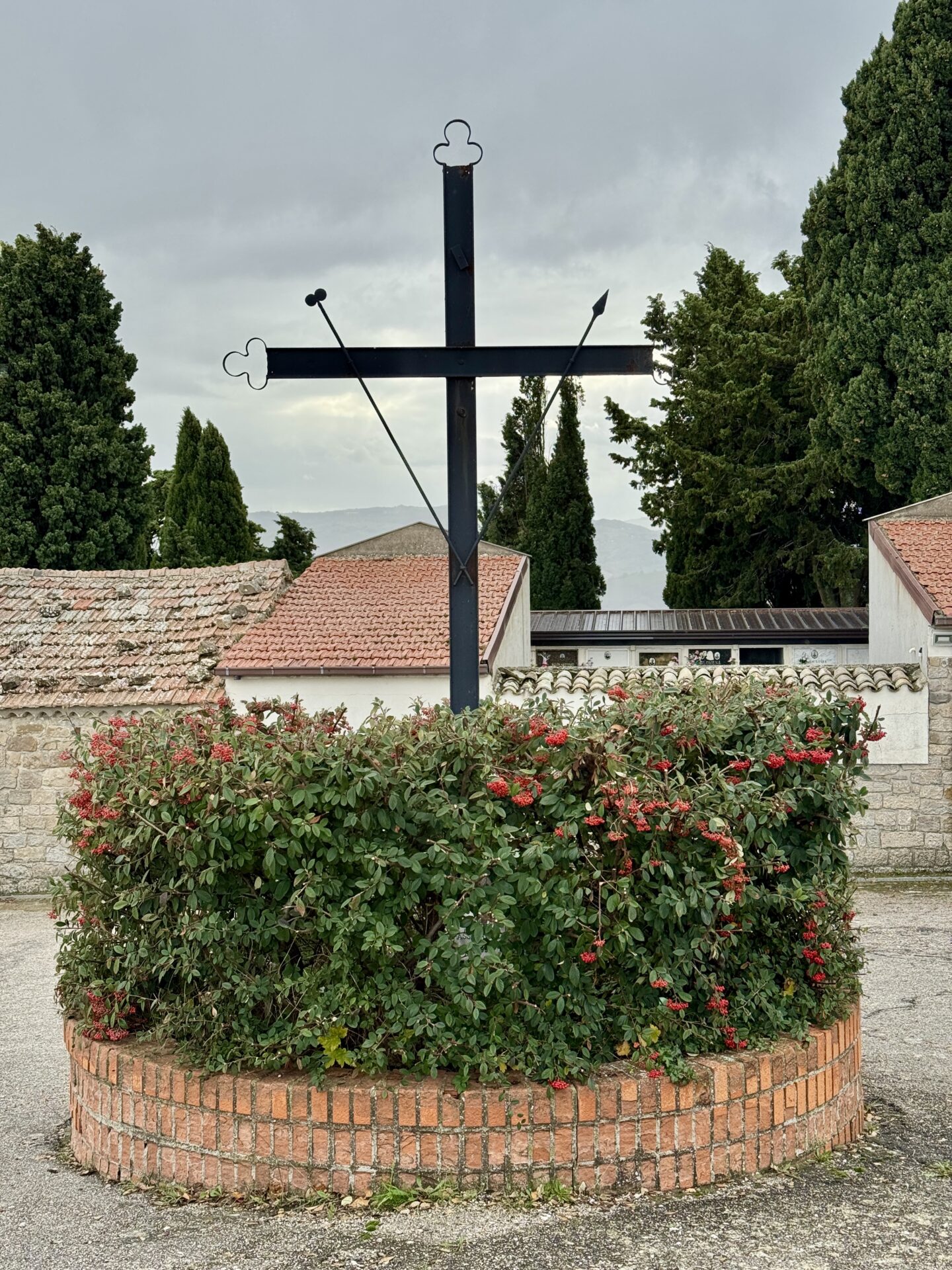
    The Pietracatella countryside still preserves a series of stationary and mission crosses. There are about twelve wrought iron and stone crosses, made between 1908 and 1957, placed in particular places of devotion.

  • Pescarello Forest

    È un rimboschimento di pino nero a Pietracatella.

  • Tappino Torrent Richetta Hill

    The area falls in Central Molise, within the Fortore hydrographic basin, including the confluence area between the T. Tappino and T. Fiumarello. The landscape that characterises the site is hilly and sometimes mountainous, with the presence of watercourses. The fauna is typical of woodland environments, with the presence of some species of Community interest. The vegetation along the Tappino stream is fluvial, characterised by white willow woods; where there is a majority of soil, there is potential for white oak woods with a prevalence of xerophilous perennial grasslands. Among the most unusual species are the American walnut and the Stipa Austro italica, which is threatened throughout the territory by agricultural activities.

  • Tratturo

    The Regio Tratturo Lucera-Castel di Sangro is one of the main sheep-tracks in southern Italy. It was one of the main routes of transhumance, with a length of around 130 km. On its way, it passes near Campobasso, where it is interconnected with the Pescasseroli-Candela sheep-track and the Celano-Foggia sheep-track by the Centocelle-Cortile-Matese arm, and enters Apulia near Lake Occhito.

  • Maitunate

    The Maitunata, also called in the plural: le Maitunate or also Maitinate, is a folkloristic festive celebration of the peoples of Molise, and southern Abruzzo, originating from the choral songs of shepherds in the 18th century.

  • S. Donato Vescovo di Arezzo

    Il 7 agosto a Pietracatella si festeggia il patrono del Comune, S. Donato Vescovo di Arezzo.

CONTACTS

0874 817131

https://www.comune.pietracatella.cb.it/

Scopri altre immagini di Pietracatella
Discover the municipality of

  • Campolieto

  • Cercemaggiore

  • Jelsi

  • Riccia

  • Tufara

  • Toro

  • Macchia Valfortore

  • Sant'Elia a Pianisi

  • Gambatesa

  • Monacilioni

  • Gildone

  • Pietracatella