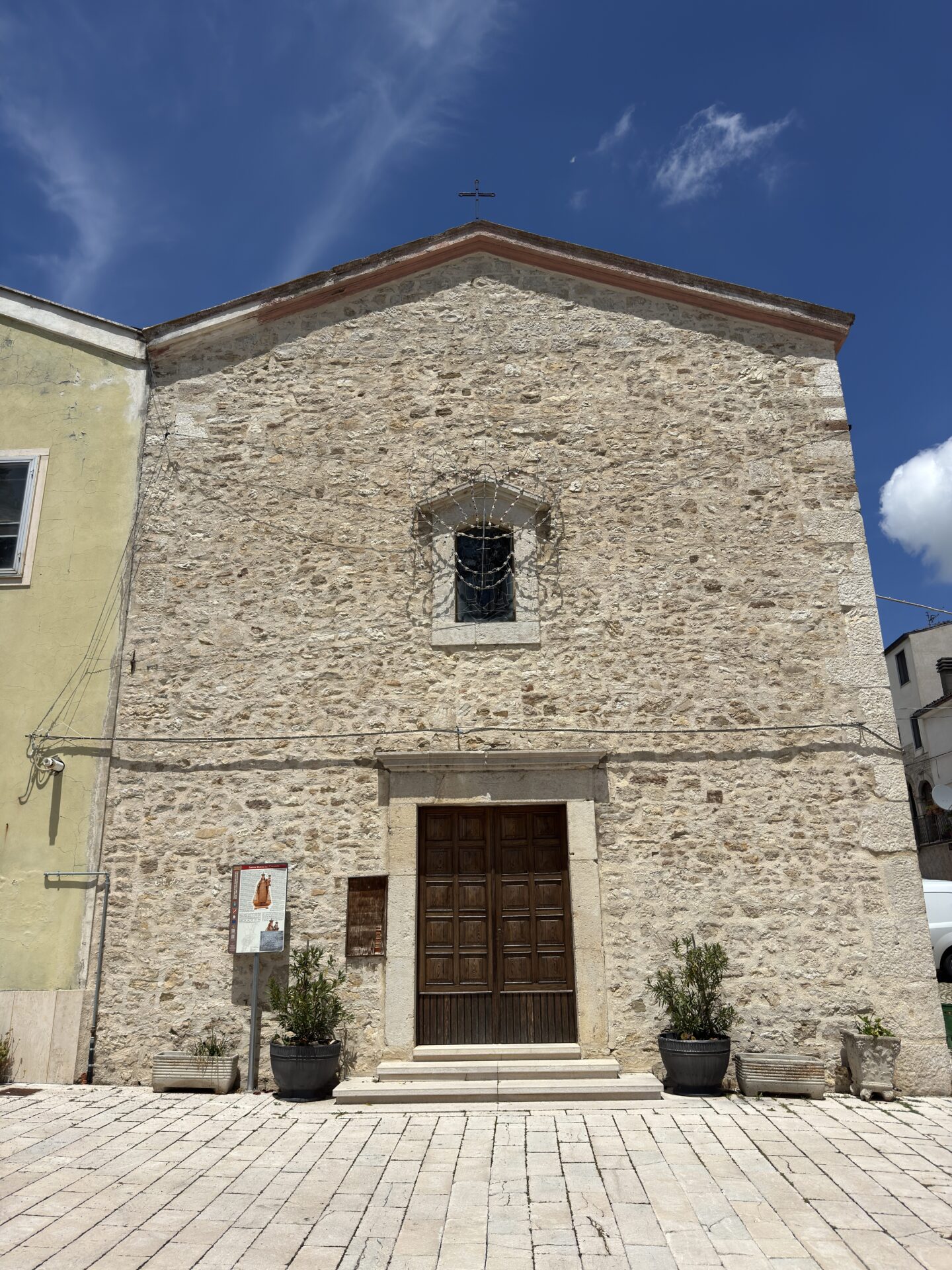
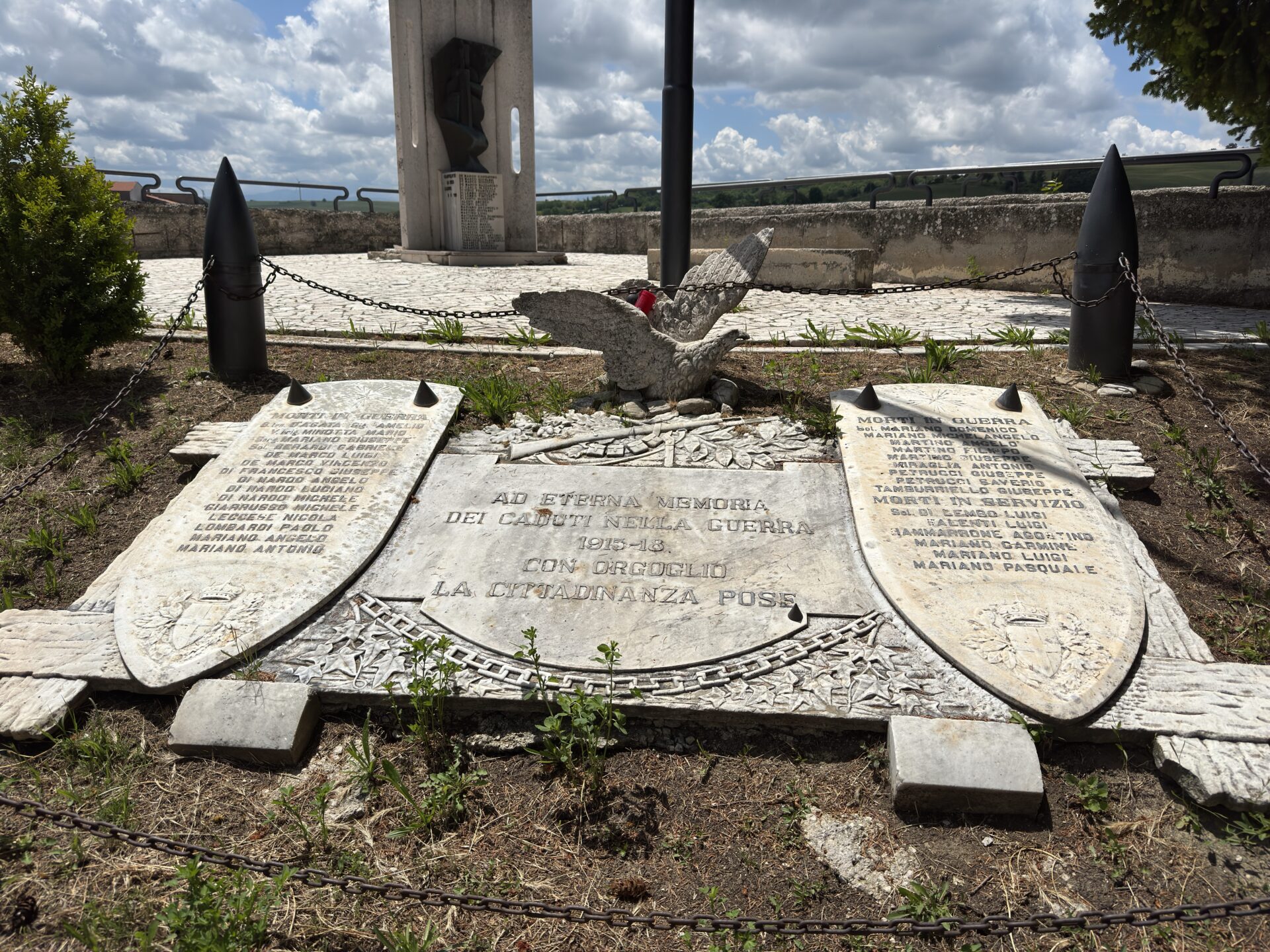
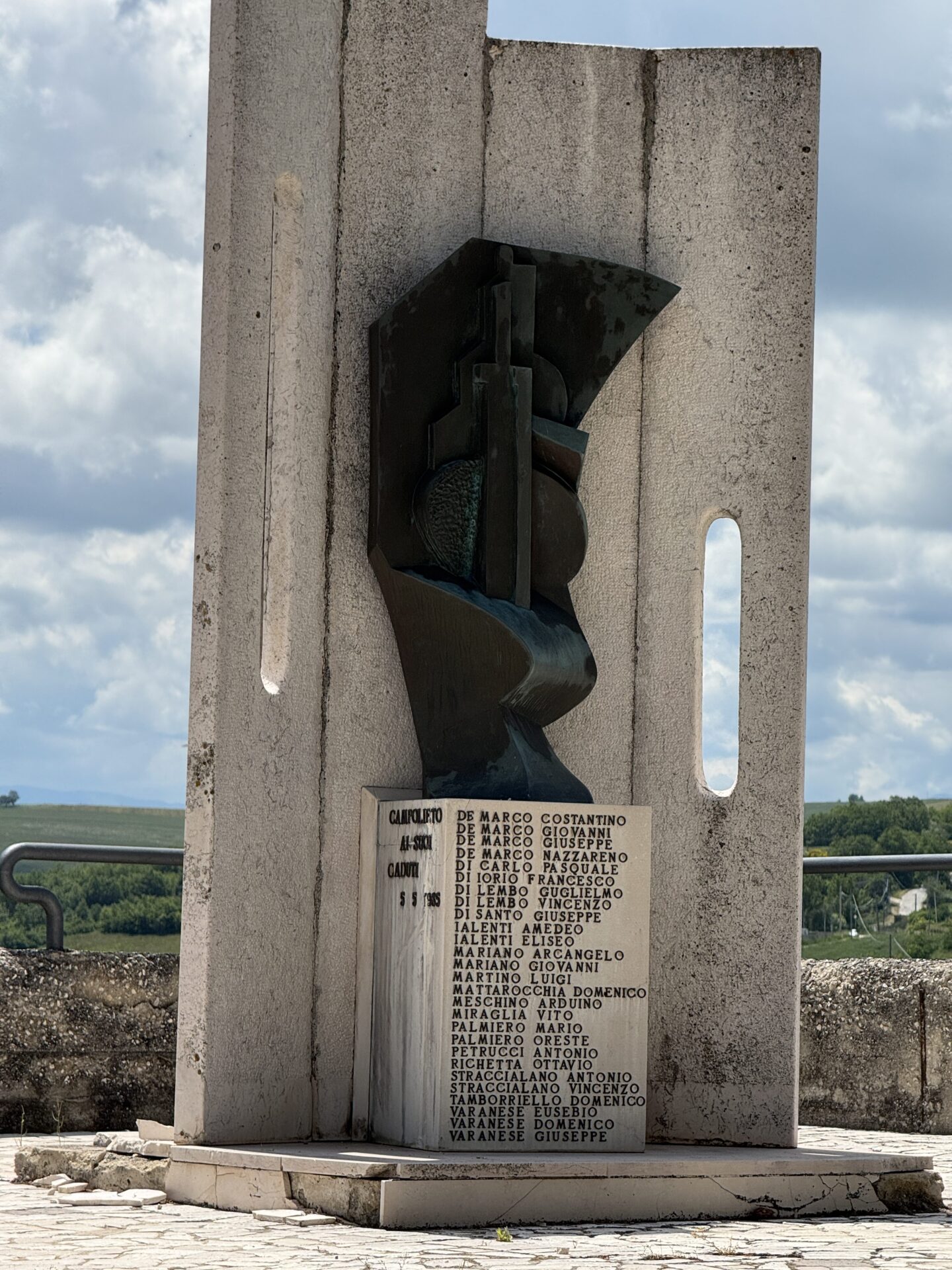
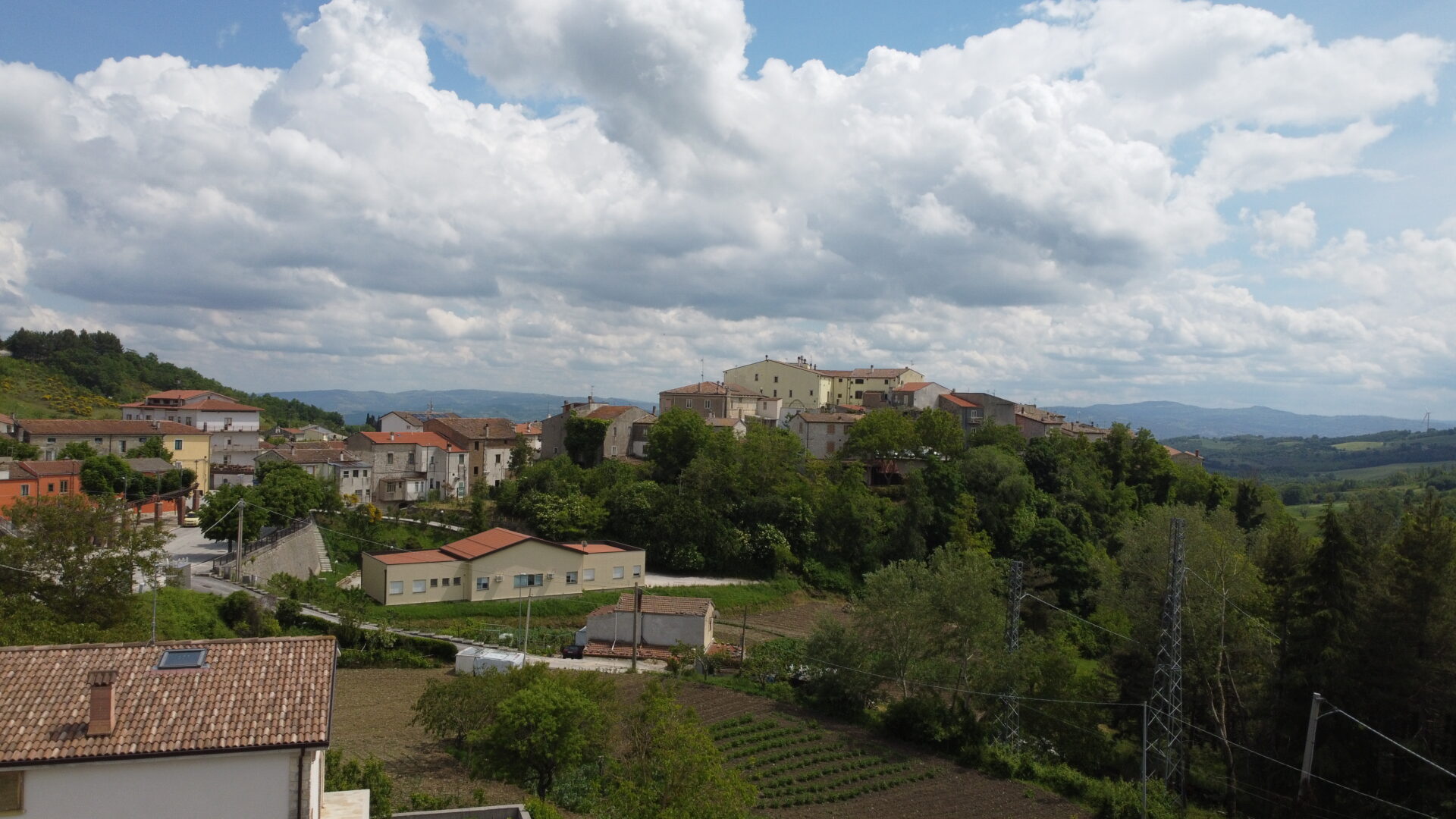
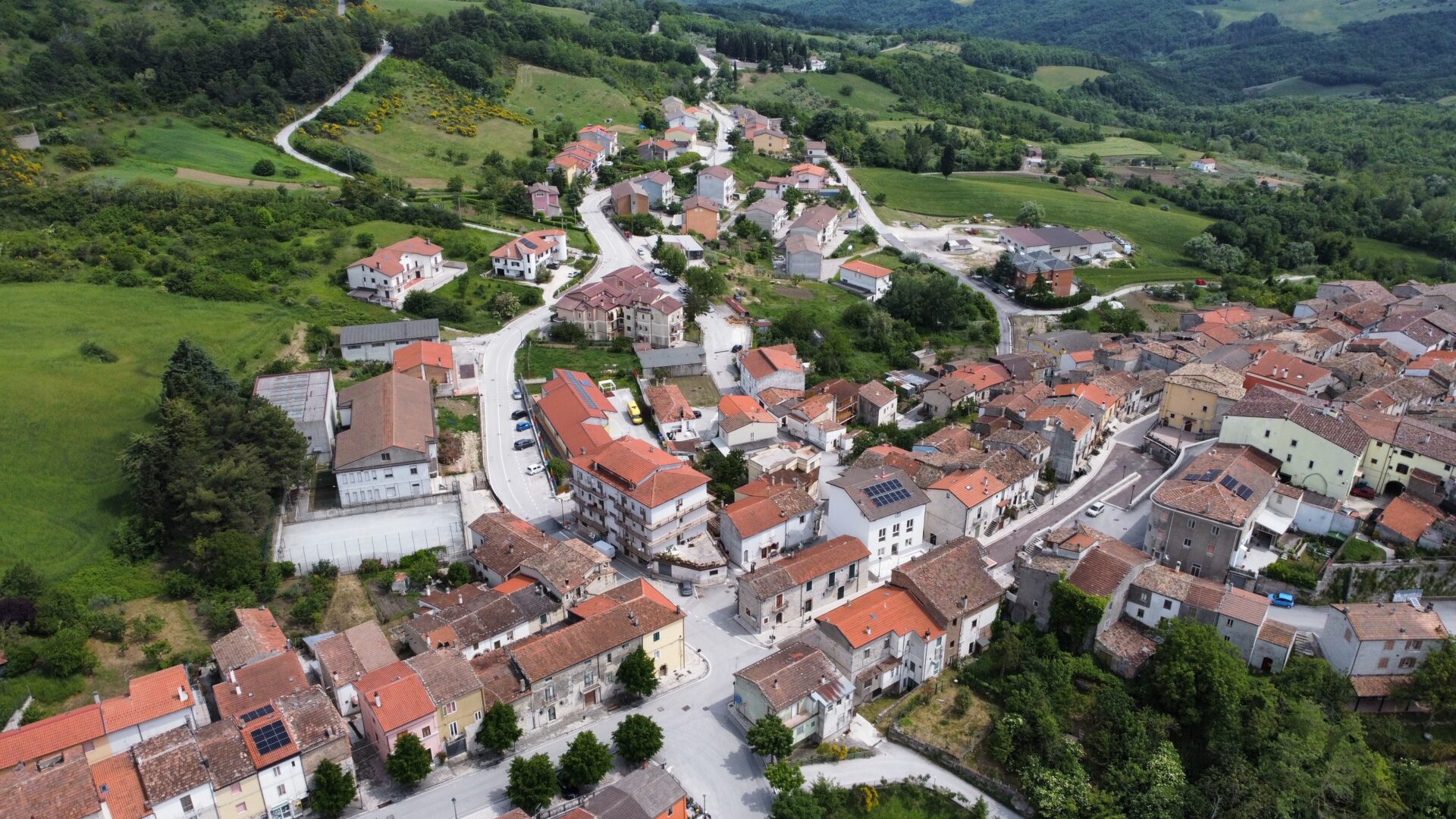
Campolieto is a small Molise village located on a hill over 700 metres above sea level, surrounded by cultivated fields and forests. Its historic centre retains its medieval structure and a tranquil atmosphere, suspended in time. It is a place where life flows slowly and the rhythms of nature are still central. The village is known for its rural traditions, genuine agricultural products and hospitable community. Perfect for those seeking authenticity and silence in the Fortore hills.
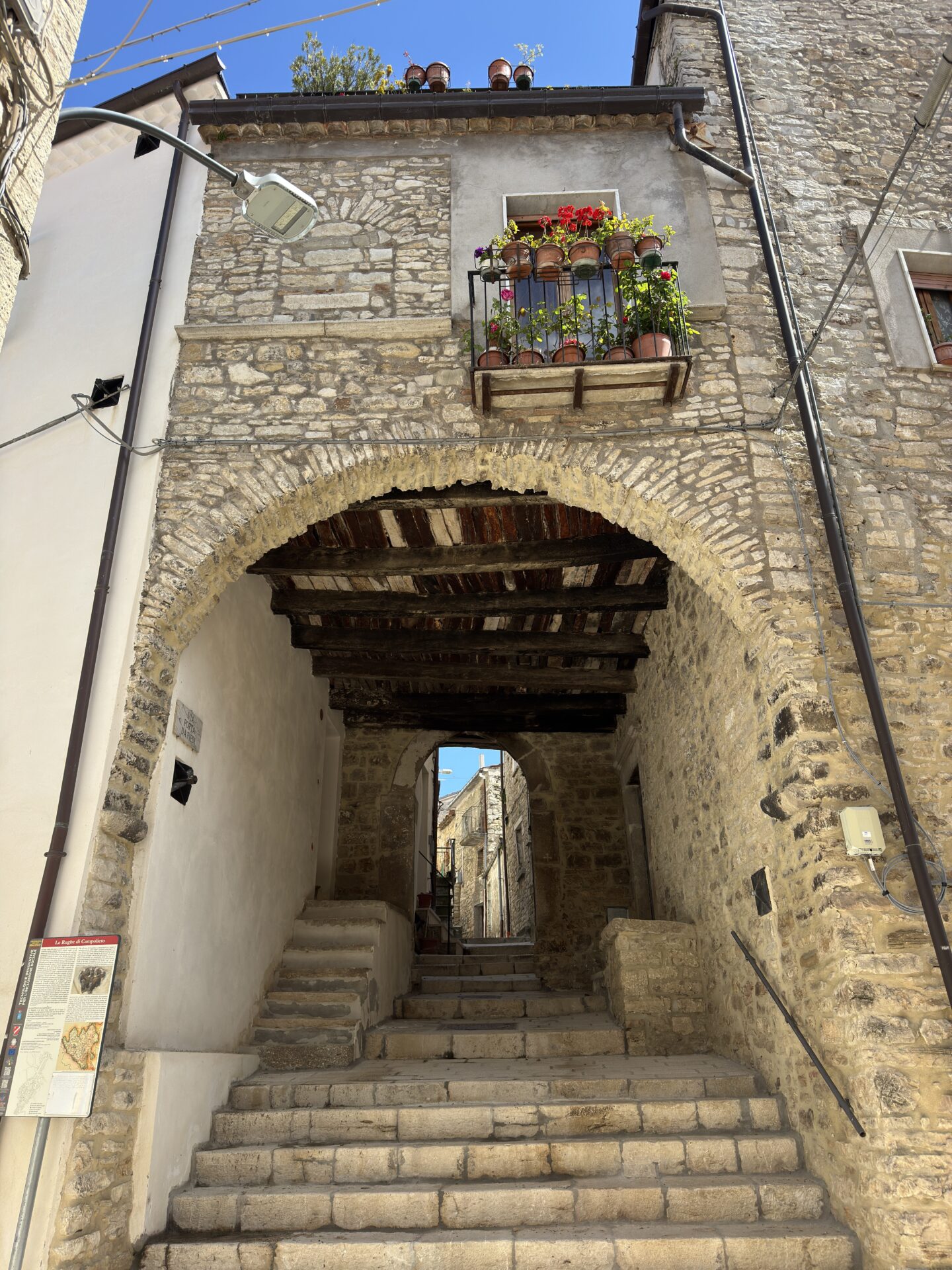
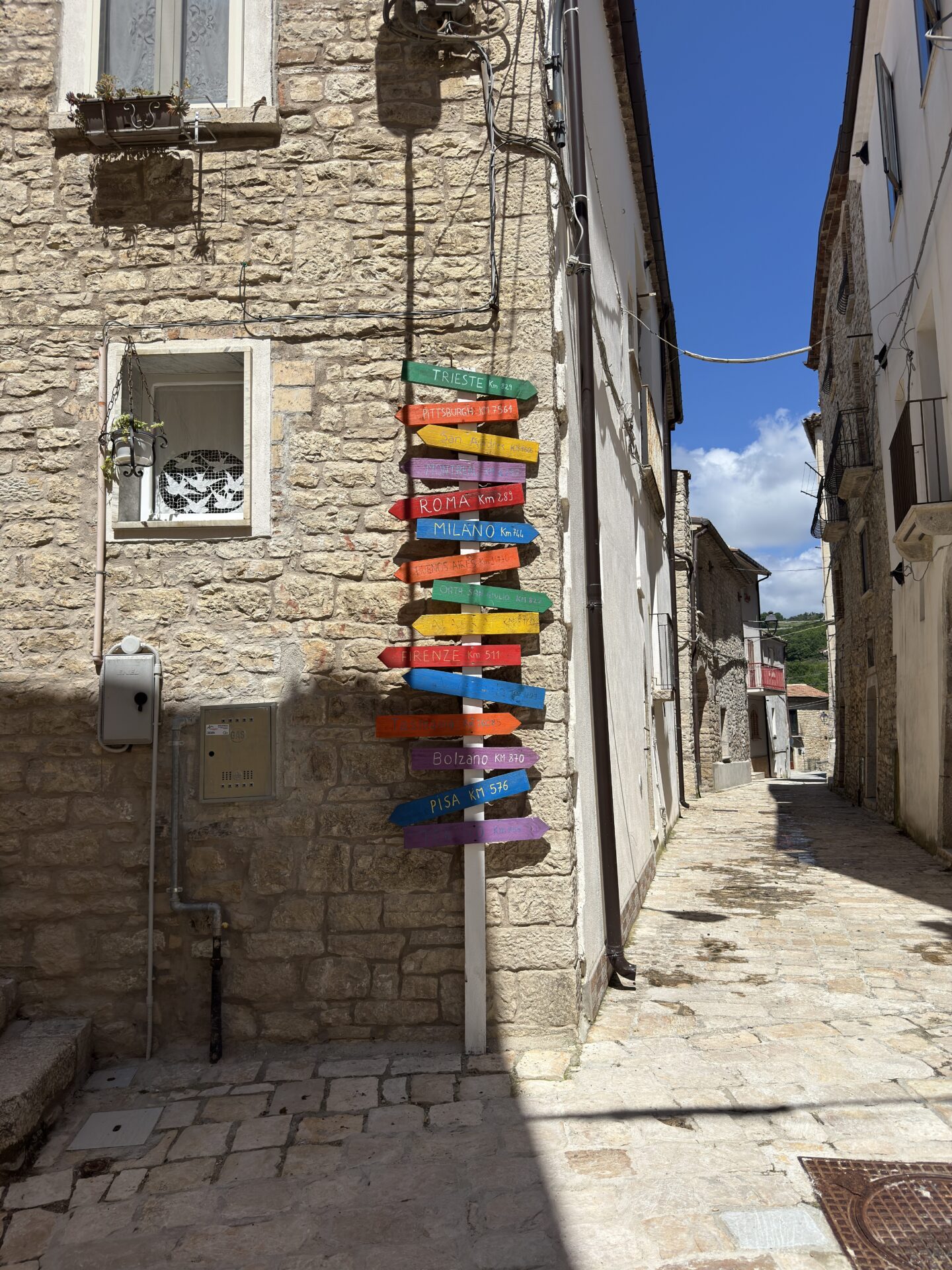
The historical centre, which is accessed through two gates, Porta da Piedi and Porta da Capo, develops in characteristic narrow streets that converge towards the baronial palace. Strolling through the alleyways, one can come across numerous finds, not least in Vico I Castello, a fragment of a crucifixion carved in stone placed on the exterior façade of a private house, probably dating back to the 16th century AD.
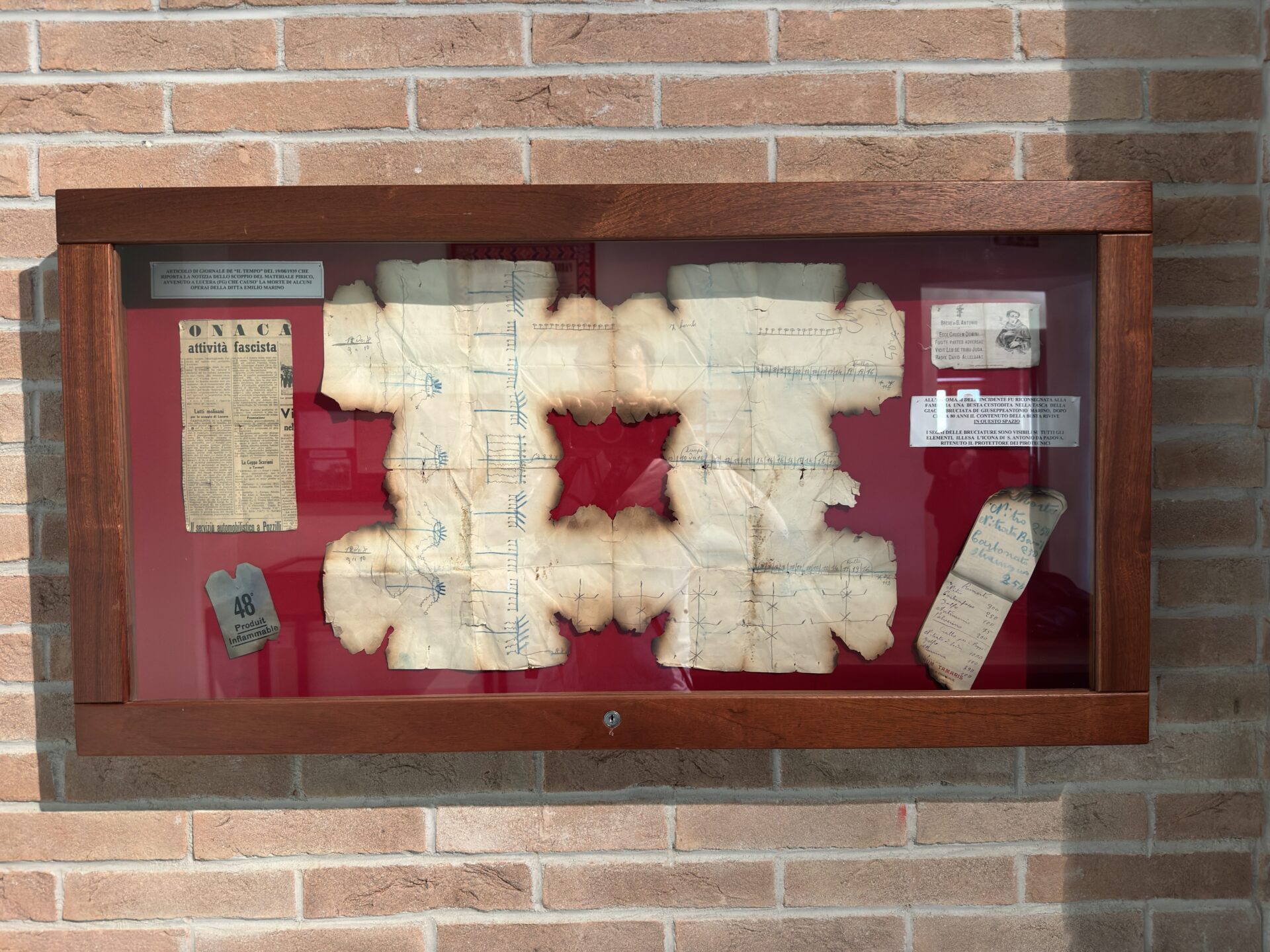
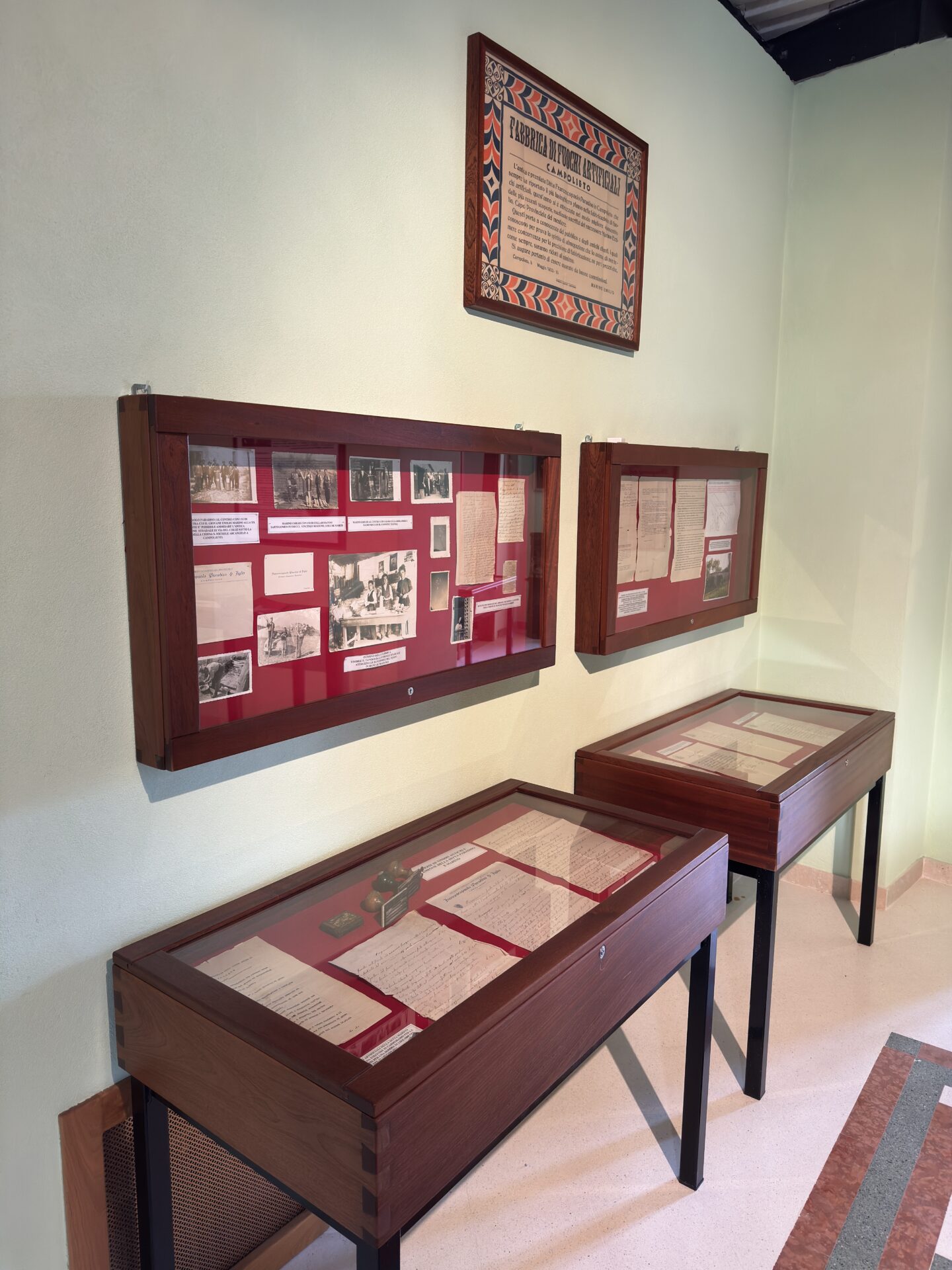
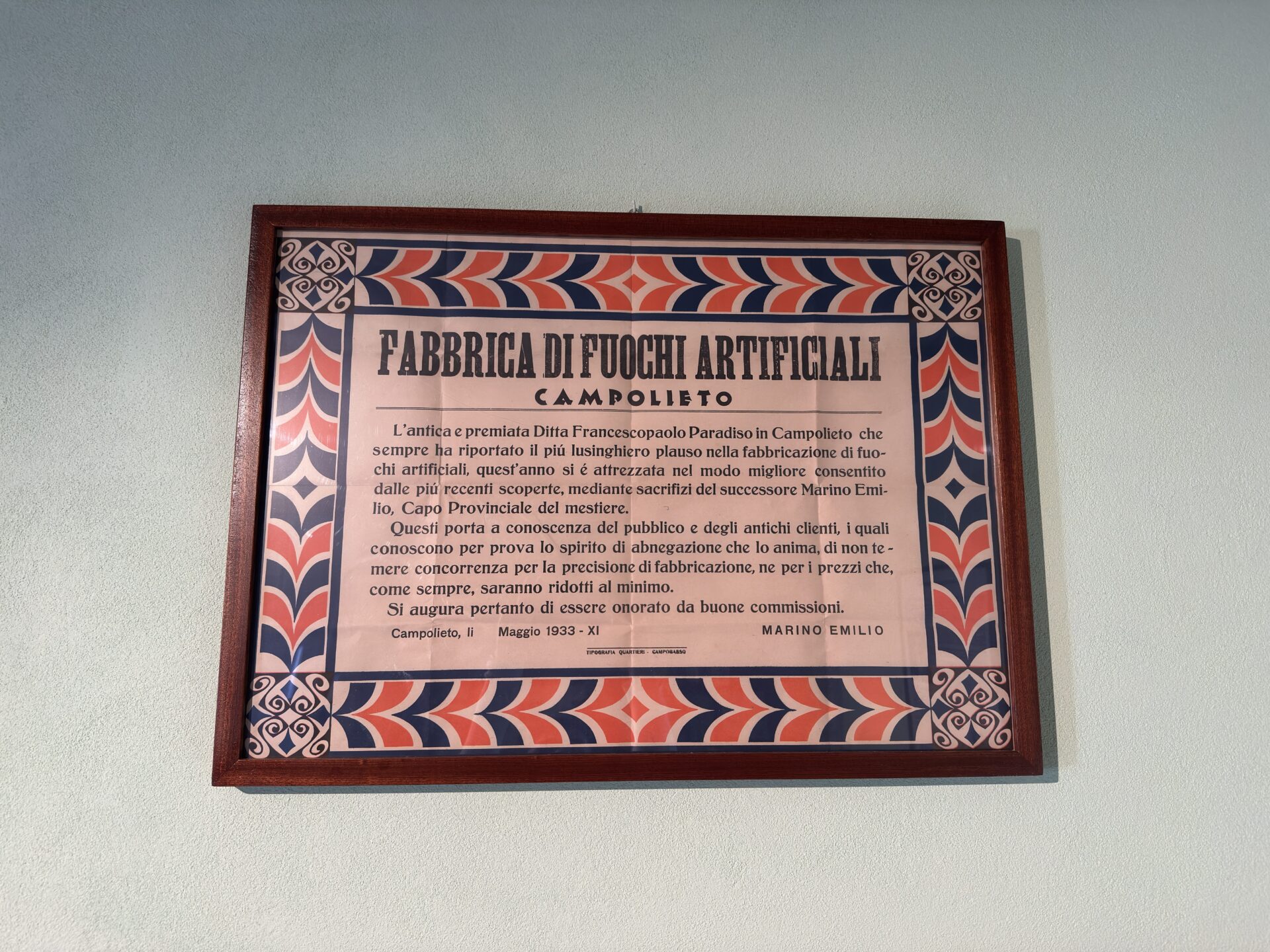
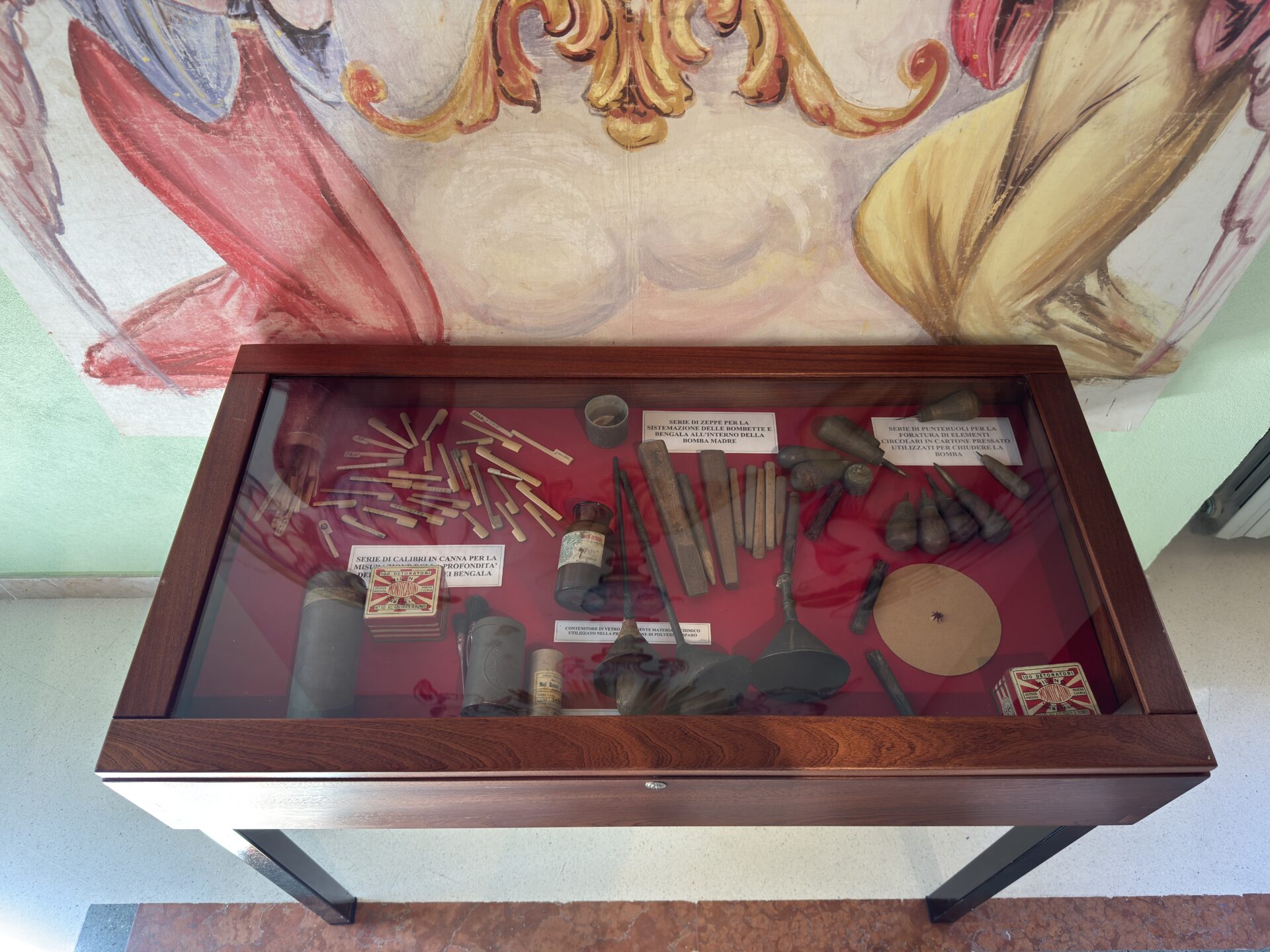
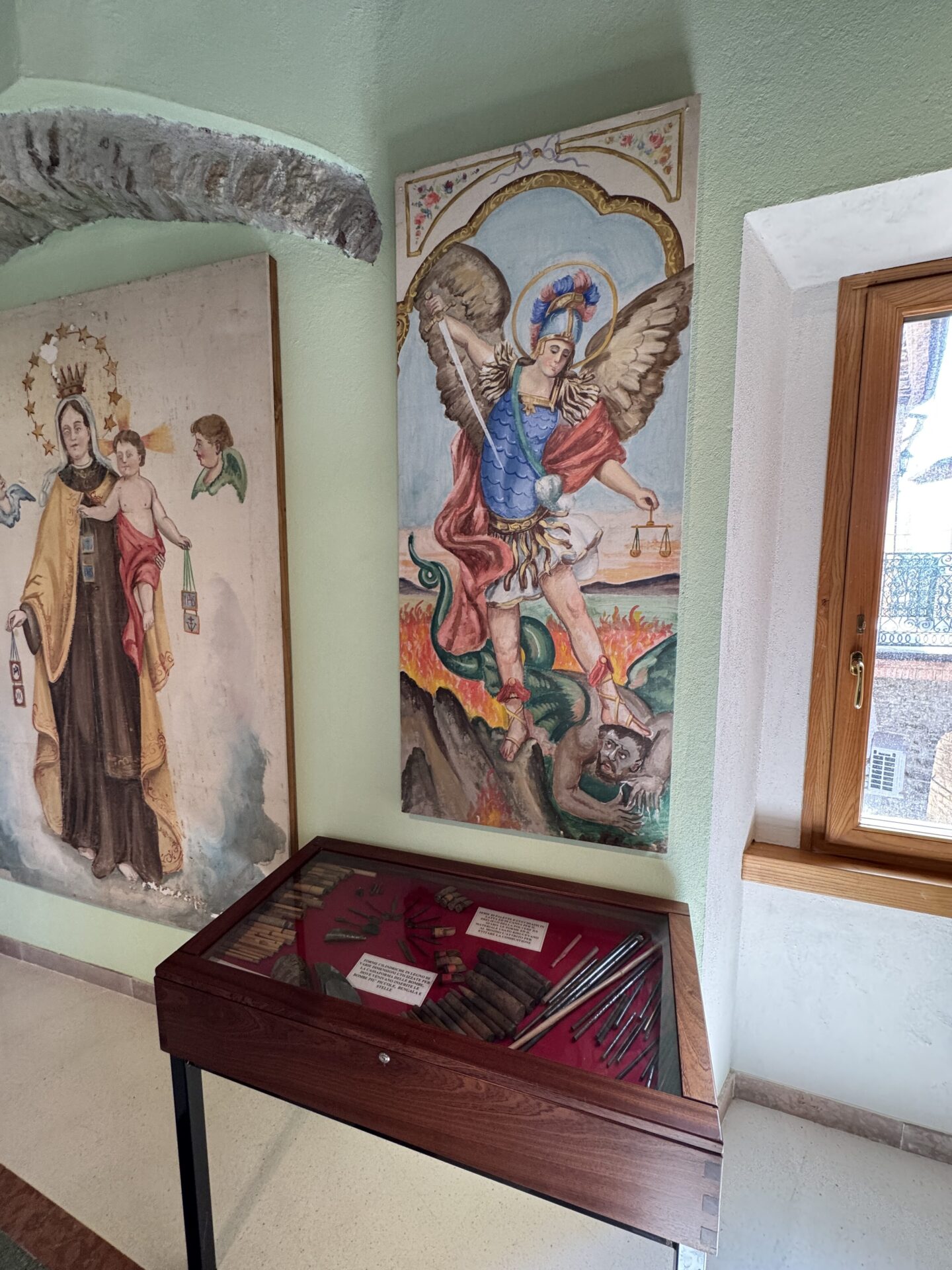
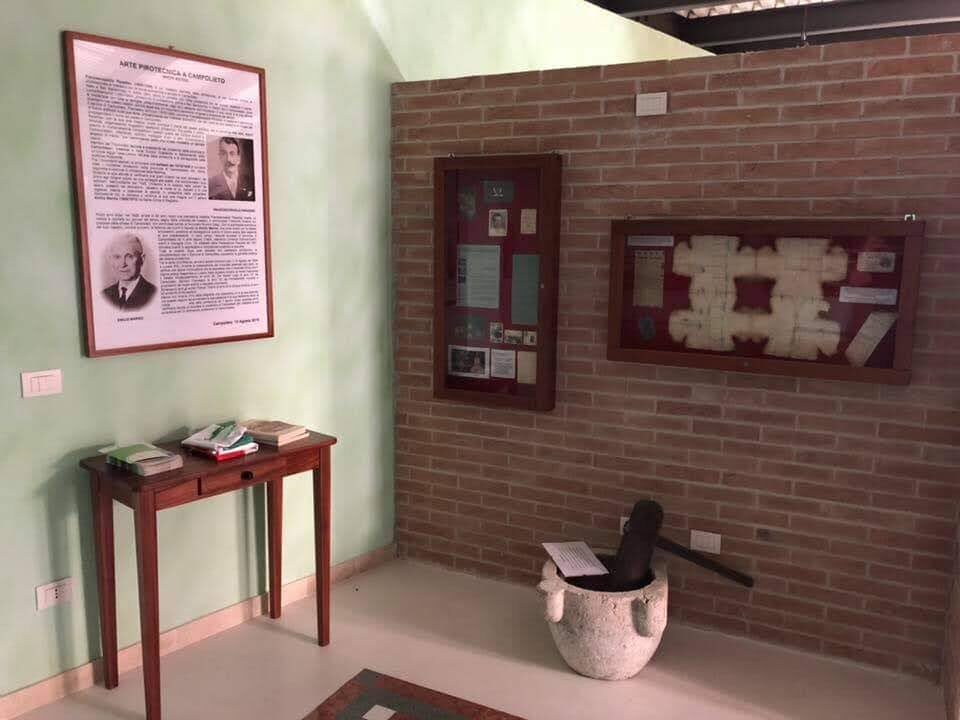
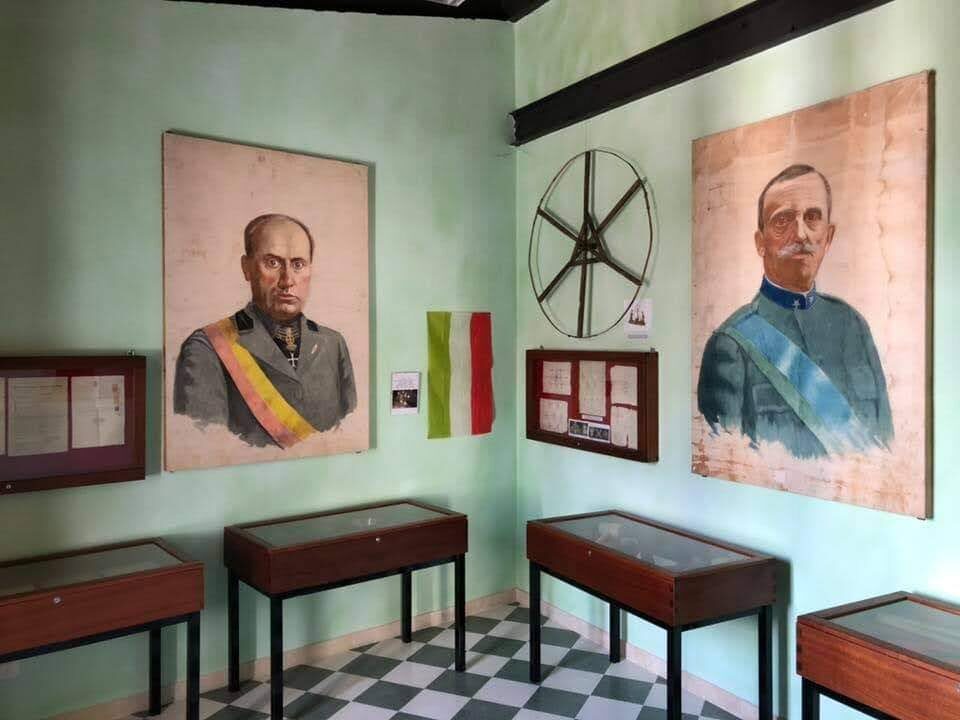
Very important for the history of the village is the Fireworks Museum, dedicated to an ancient fireworks factory, unique in Italy. The main feature is the presence of documents dating back to the fascist era for the creation of fireworks.
Heritage
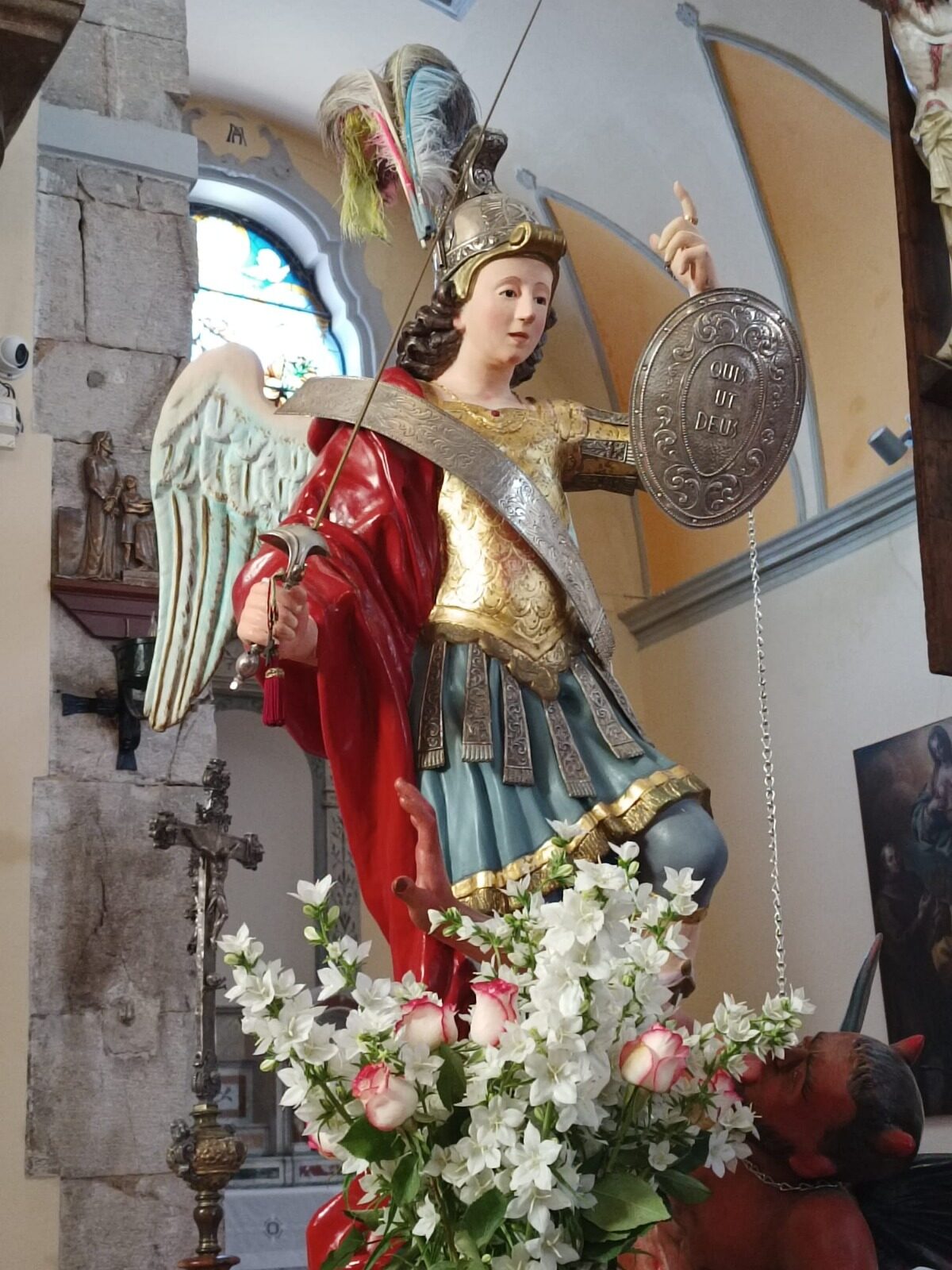
Church of St Michael Archangel
Fireworks Museum
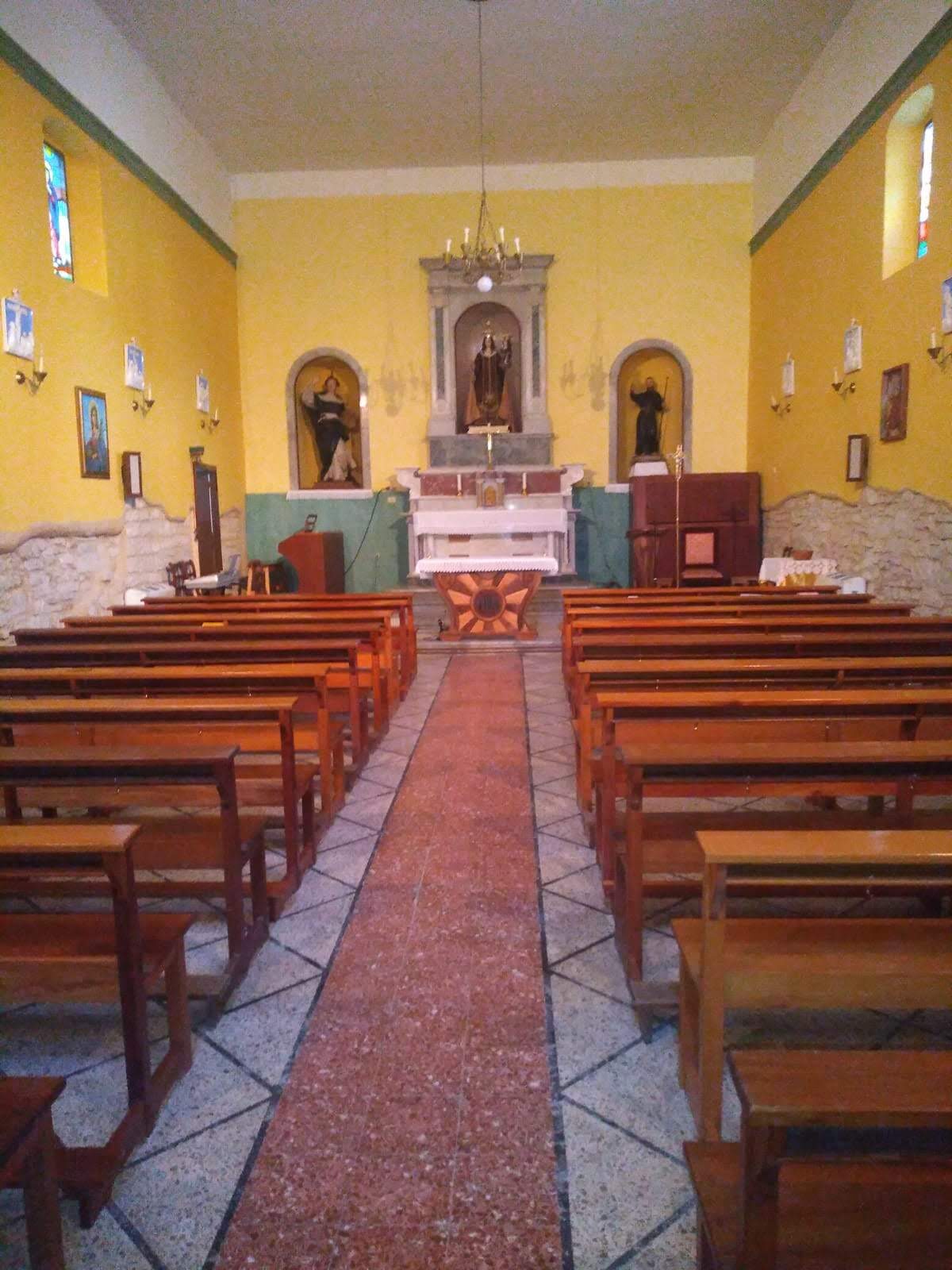
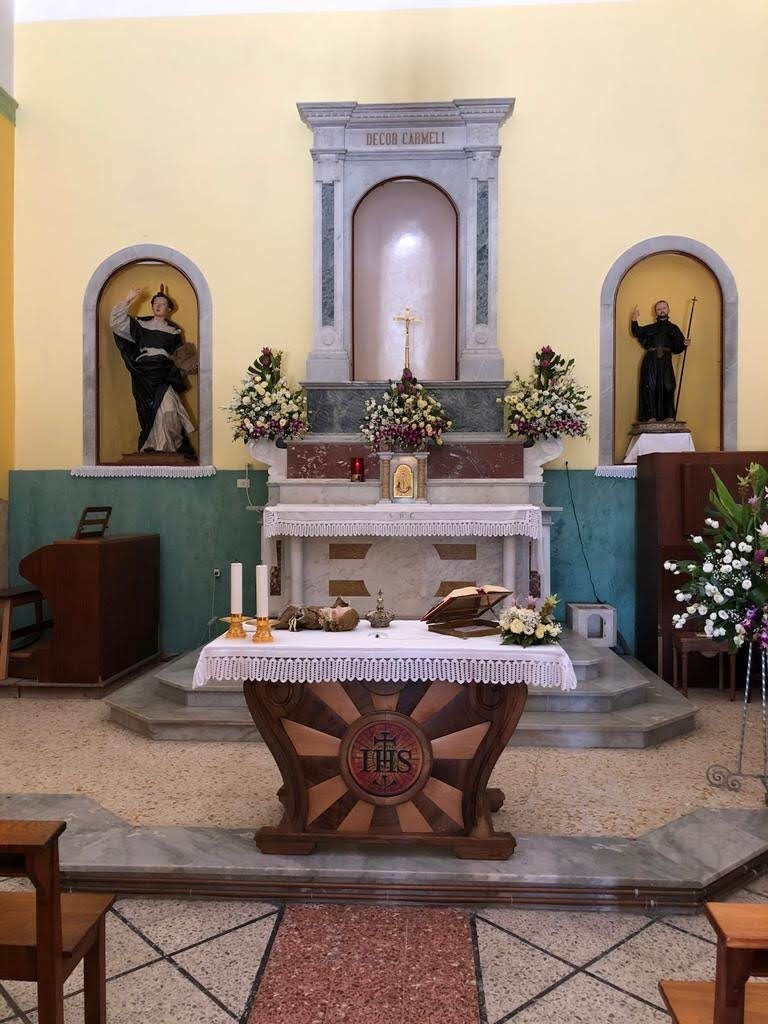
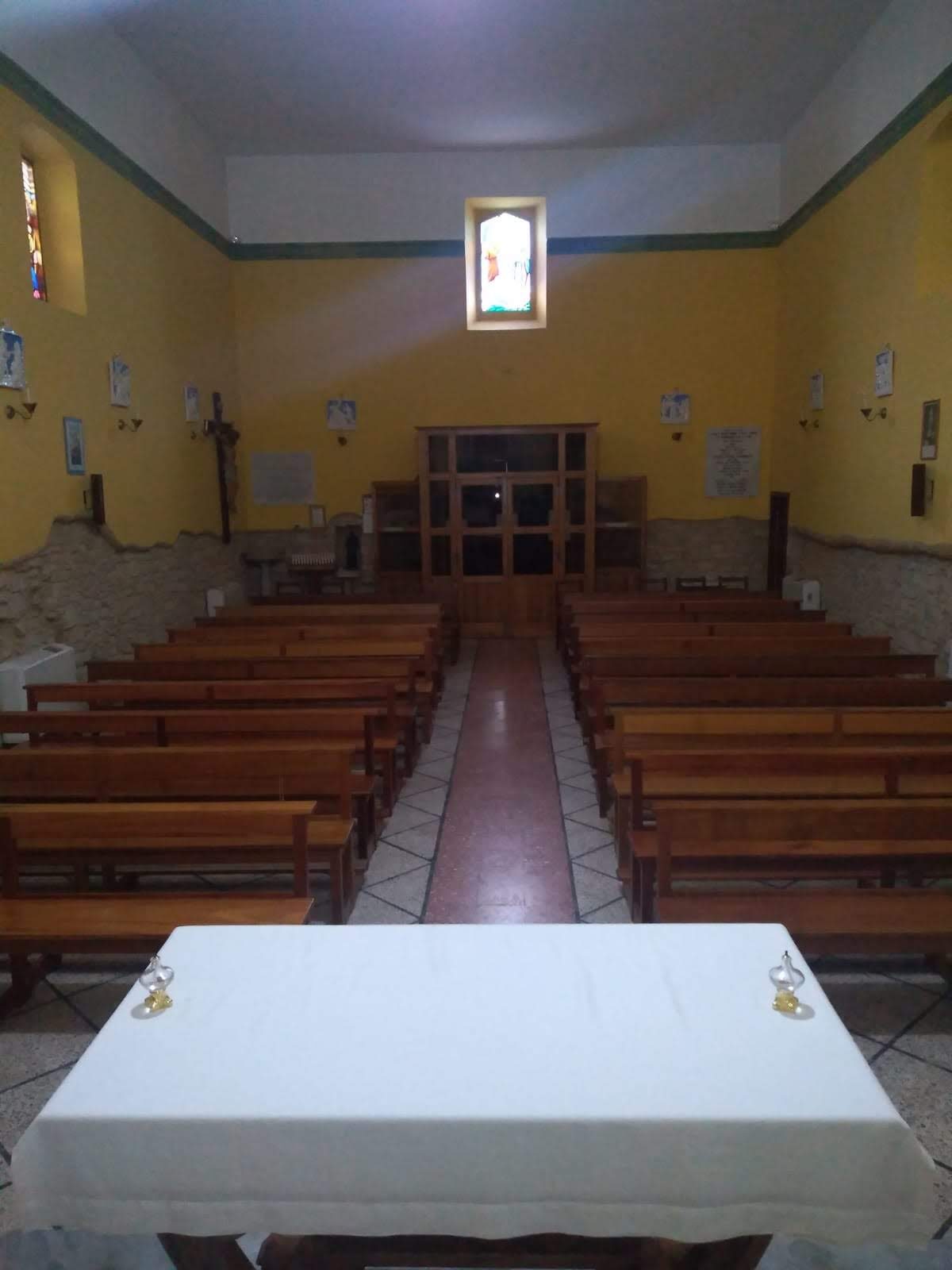
Chapel of the Blessed Virgin of Carmel
Abbey of Santa Maria del Romitorio
Chapel of St Mark
Head and Foot Gates
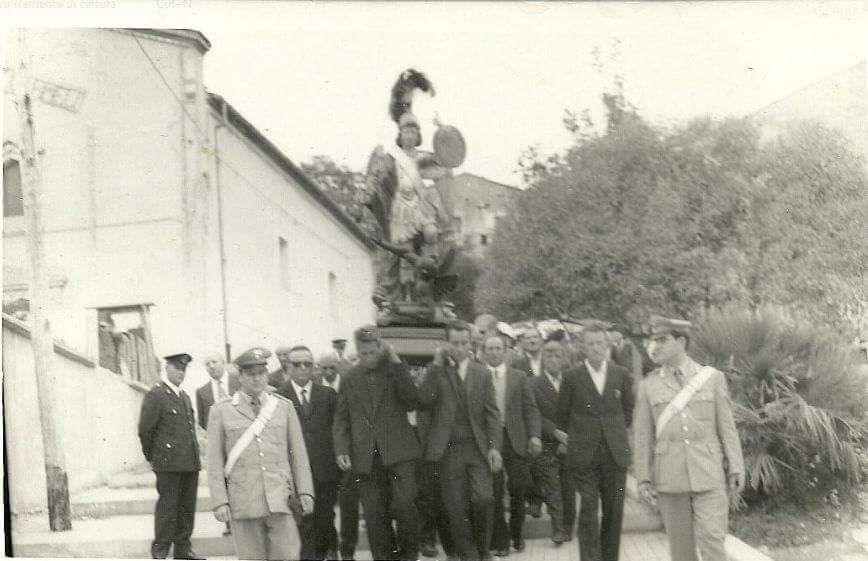
Patronal Feast of St Michael Archangel
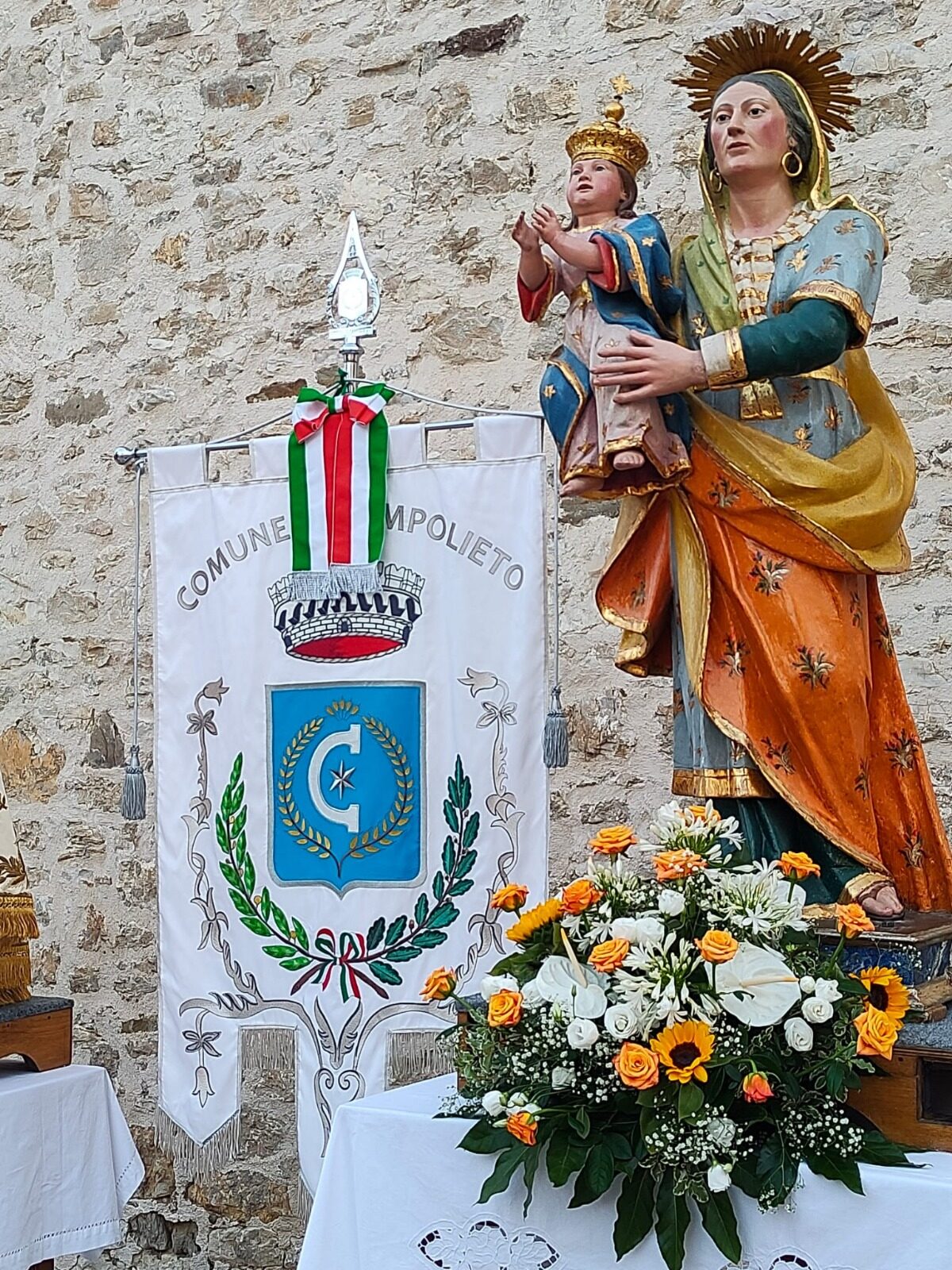
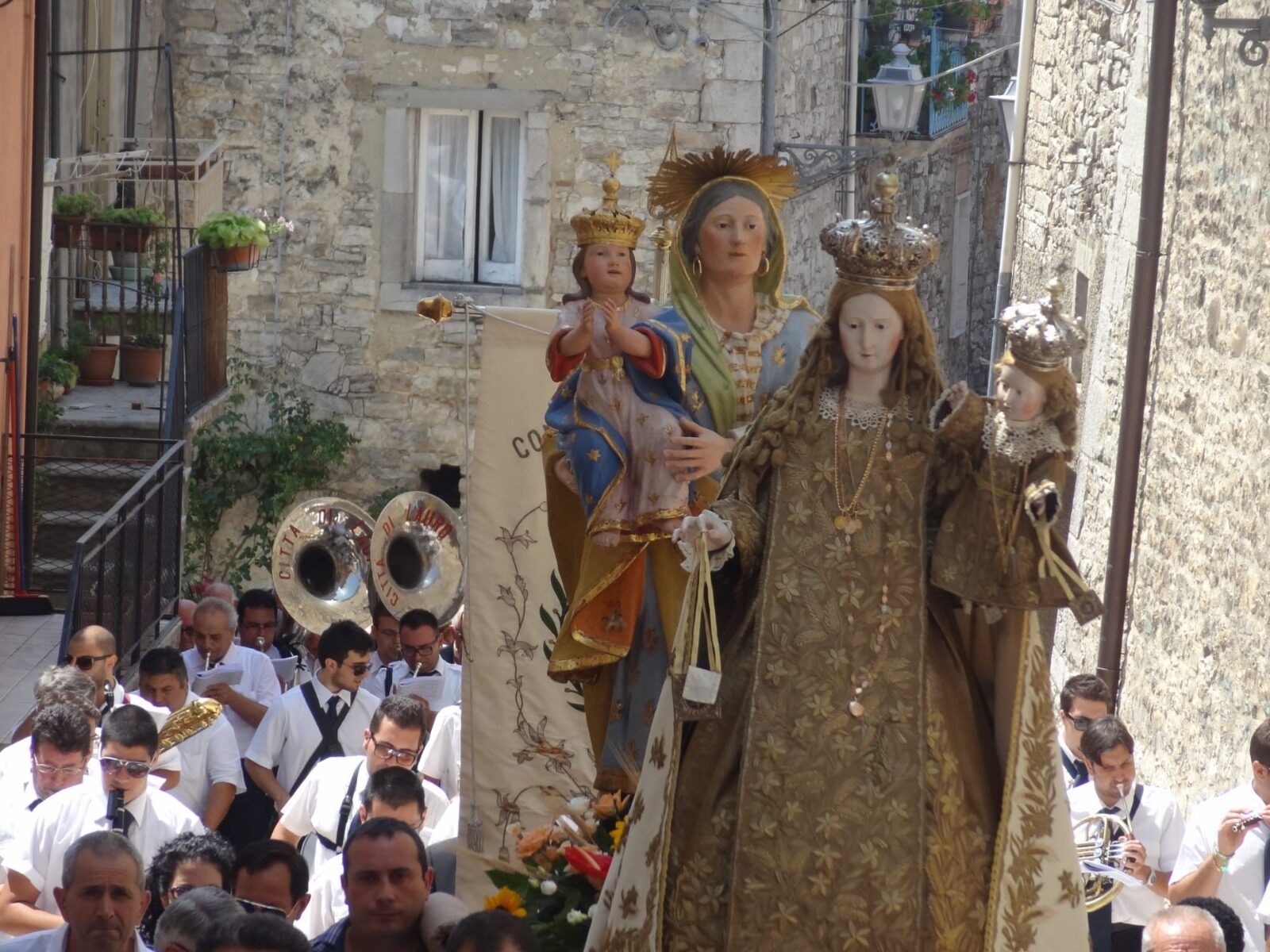
Feast of the Blessed Virgin of Carmel and St. Anne
Singing of the Maitinate
Song of the Paquetta
Representation of Brigantes and the months of the year
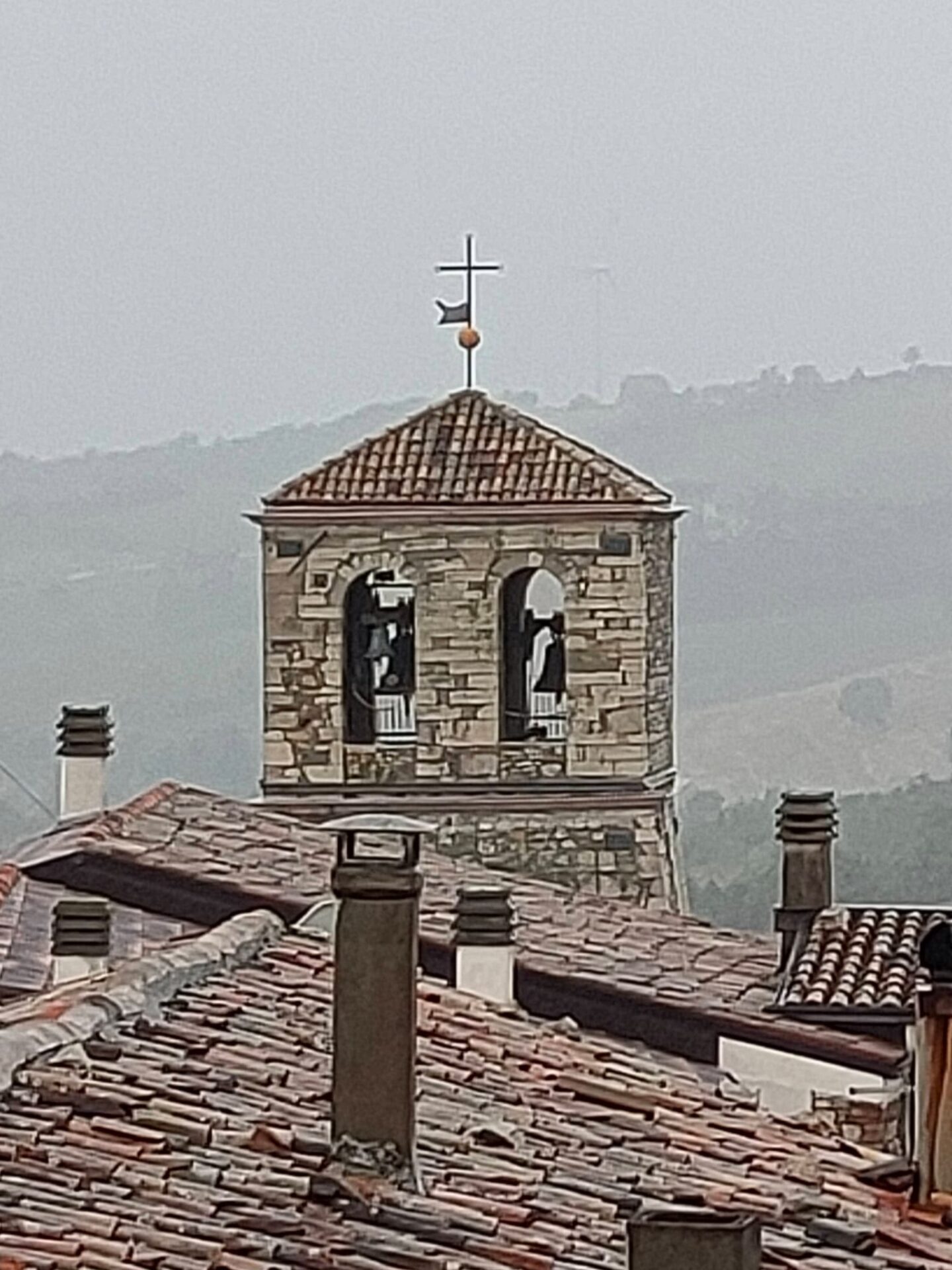
Church of St Michael Archangel
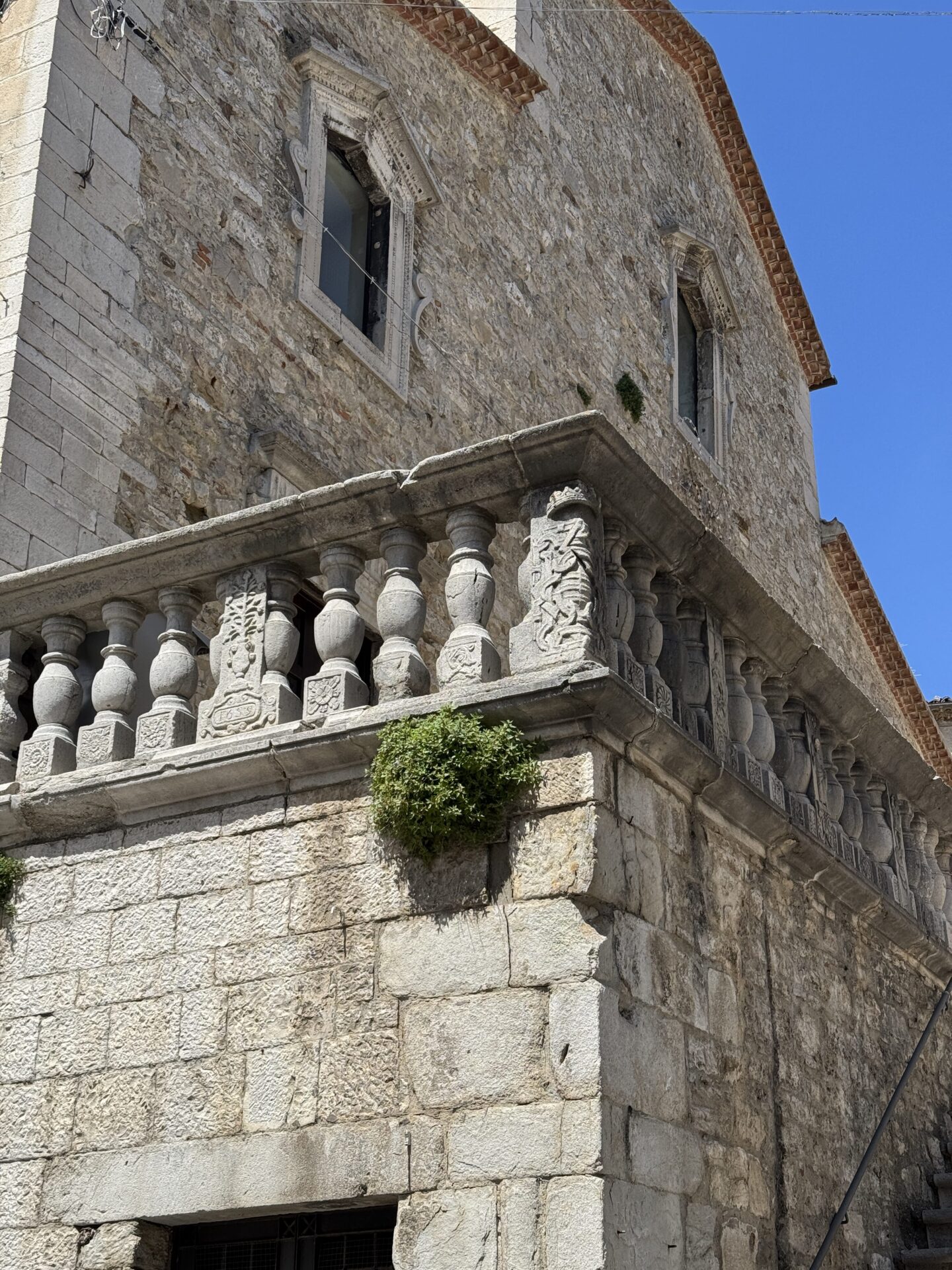
Church with three naves, 28 m long and 17.10 m wide, divided by longitudinal arches on Romanesque columns, with Baroque plasterwork and decorations - The church is accessed via a majestic staircase, at the top of which is a balustrade composed of vase-shaped columns on cubic plinths.
Fireworks Museum
Museum dedicated to an old fireworks factory, unique in Italy.
Located in the historic centre of Campolieto, the Civic Museum houses the permanent exhibition 'Drawing in the sky'dedicated to the ancient local pyrotechnic tradition. Historical documents, instruments, technical materials and testimonies tell the story of the activity of the Paradiso family, which between the 19th and 20th centuries made Campolieto a point of reference in the art of fireworks. The exhibition is enriched with sections dedicated to the technological culture of the territory, offering visitors an original journey through craftsmanship memory, innovation and local identity.
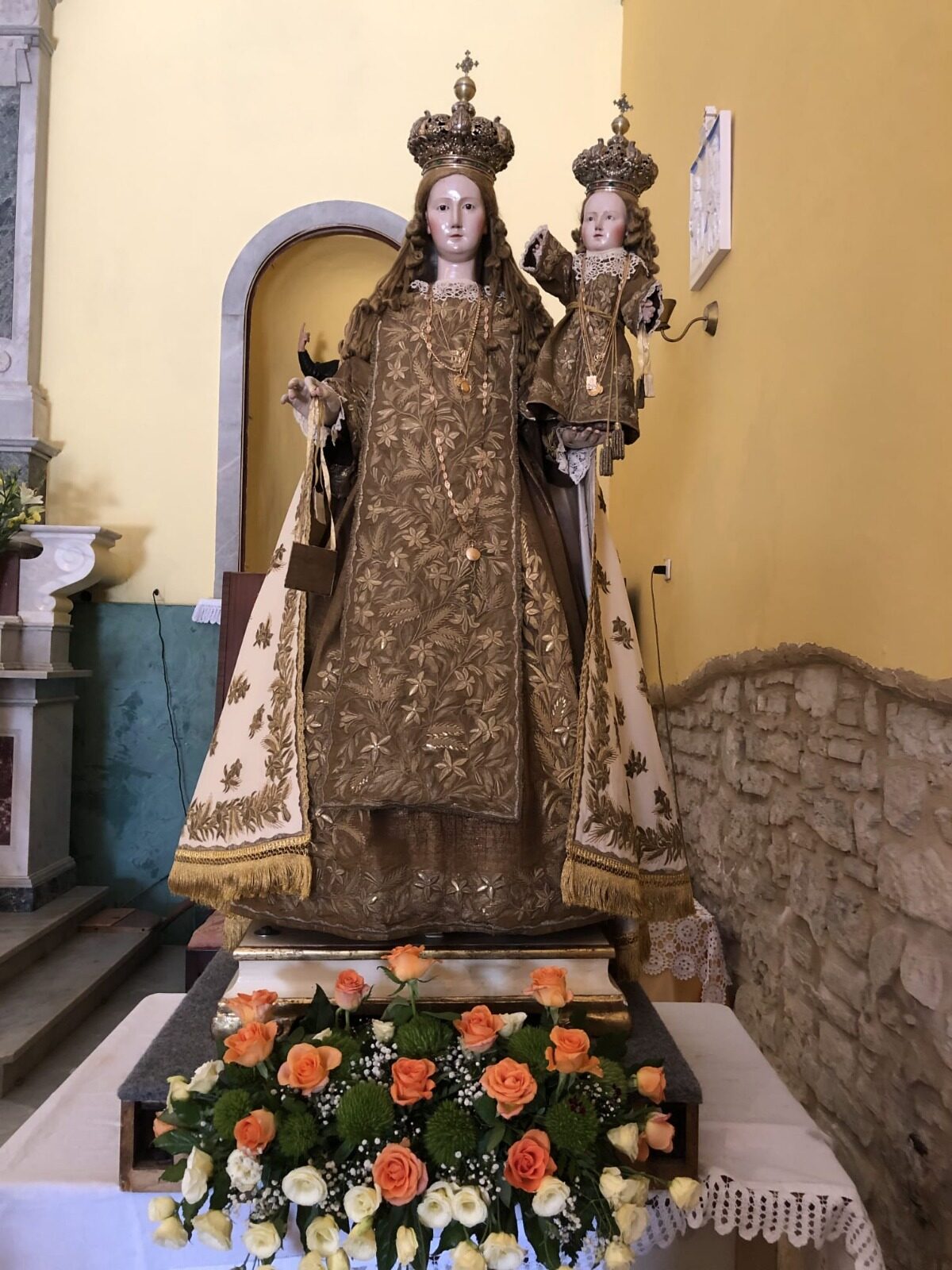
Chapel of the Blessed Virgin of Carmel
Worship building
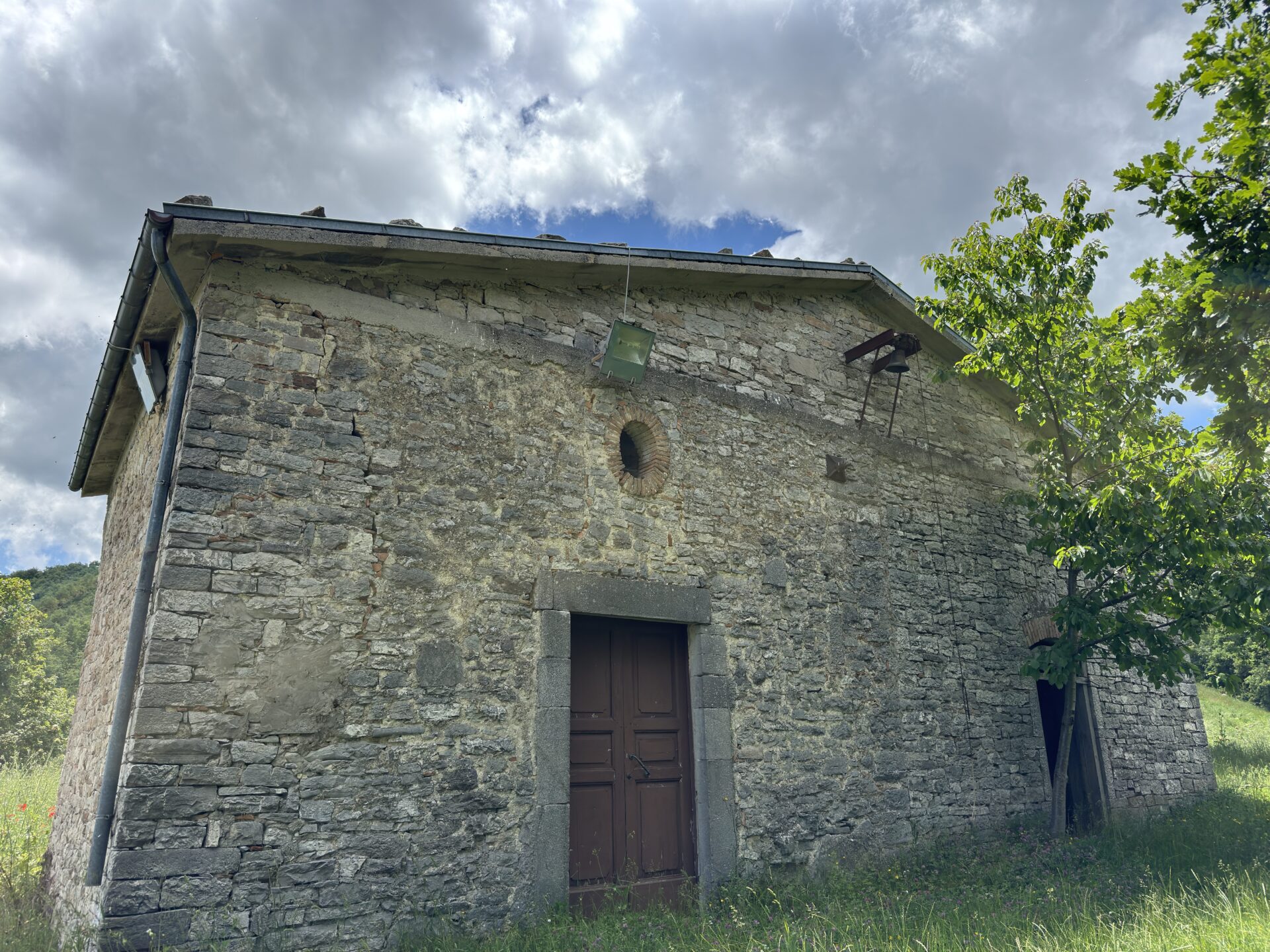
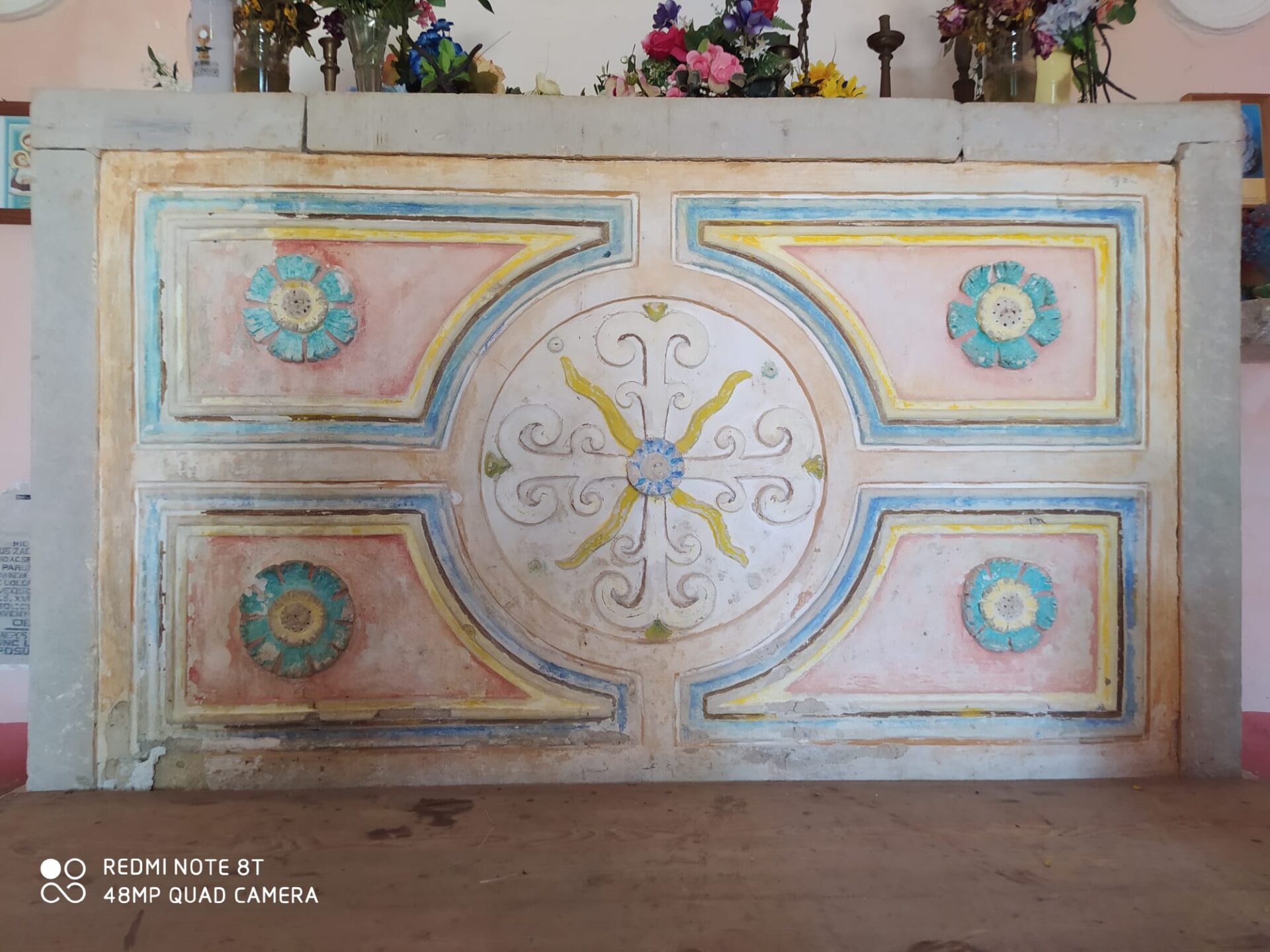
Abbey of Santa Maria del Romitorio
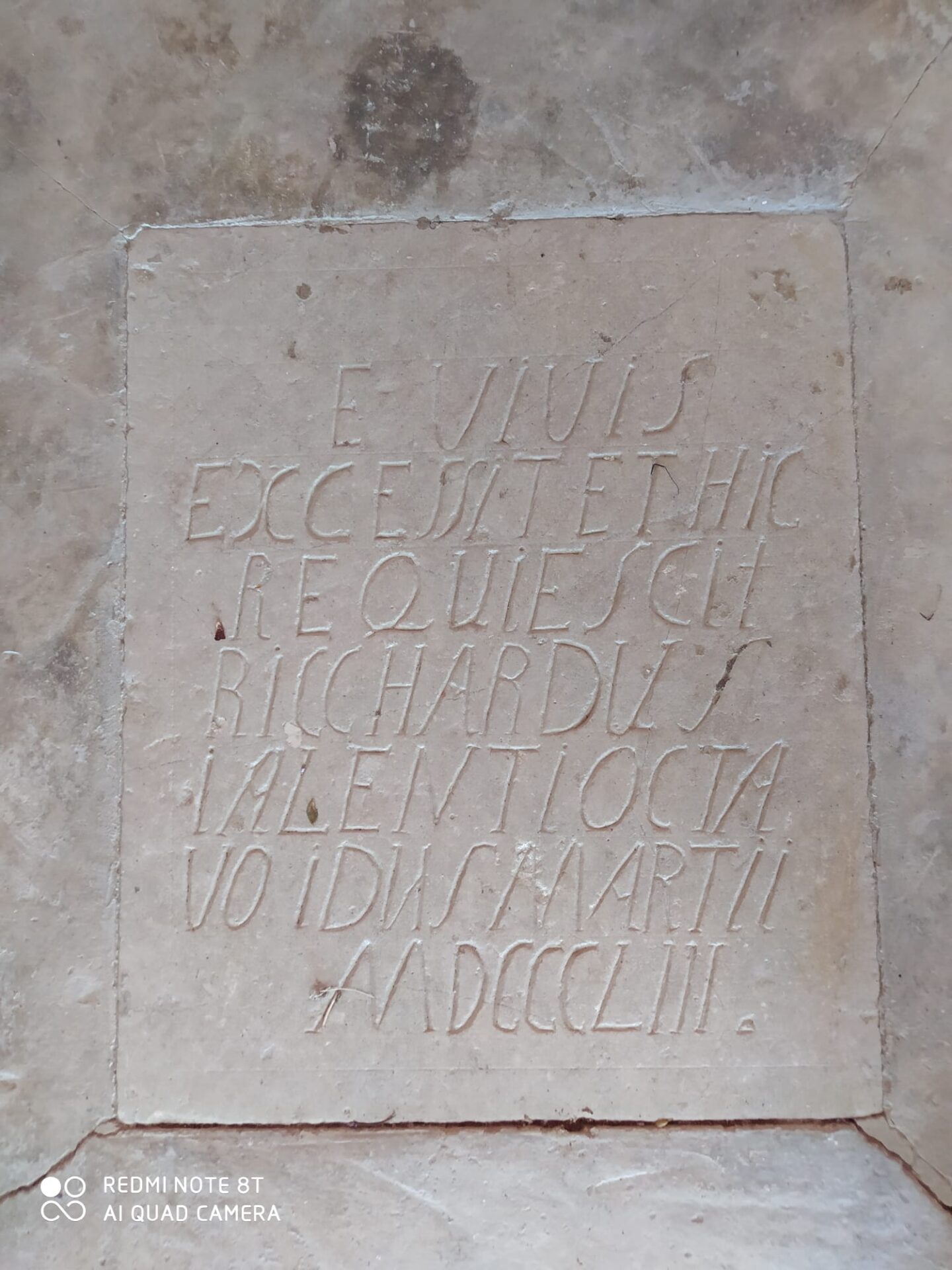
The chapel was once the church of the Benedictine Abbey of Campolieto
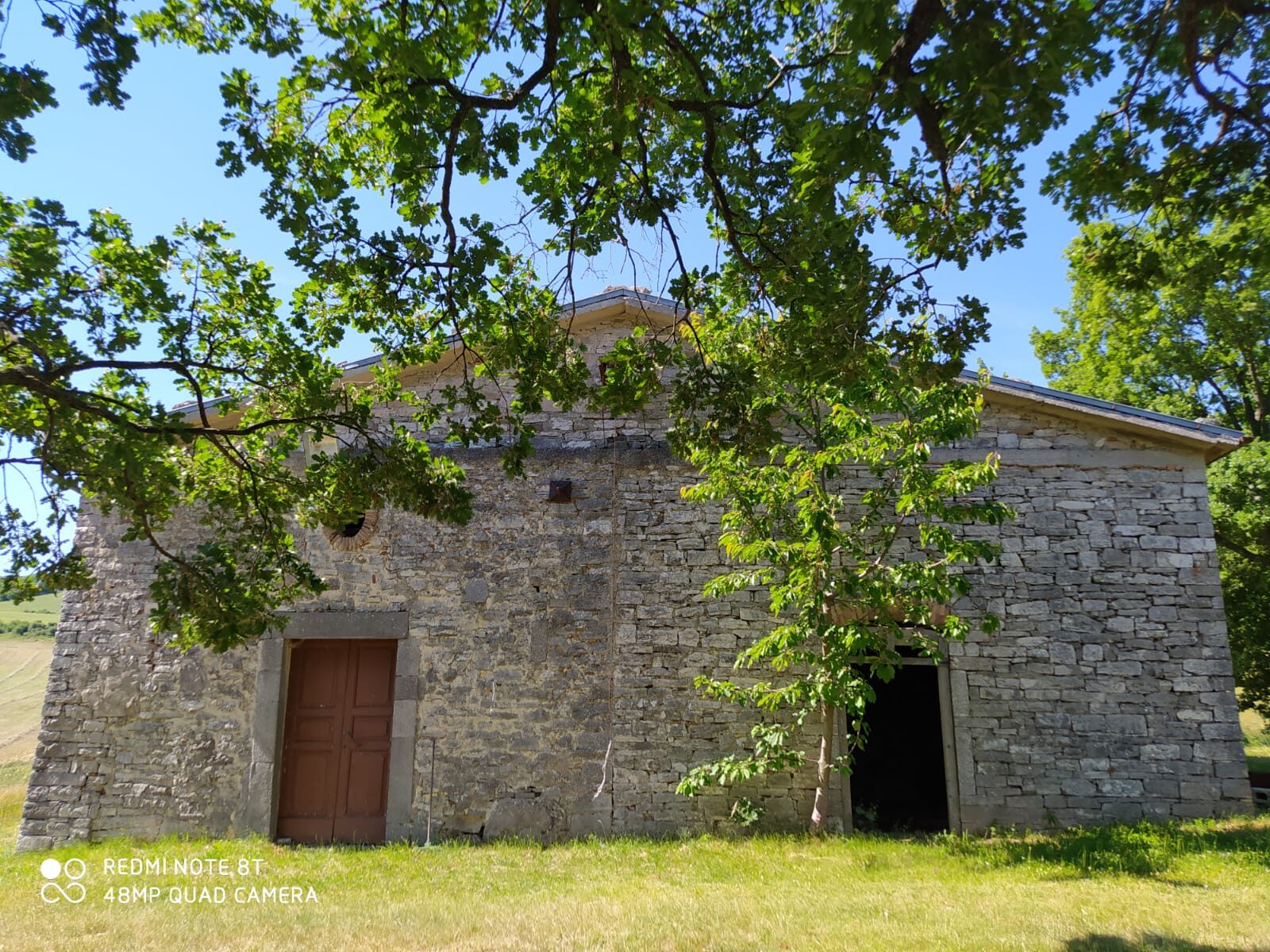
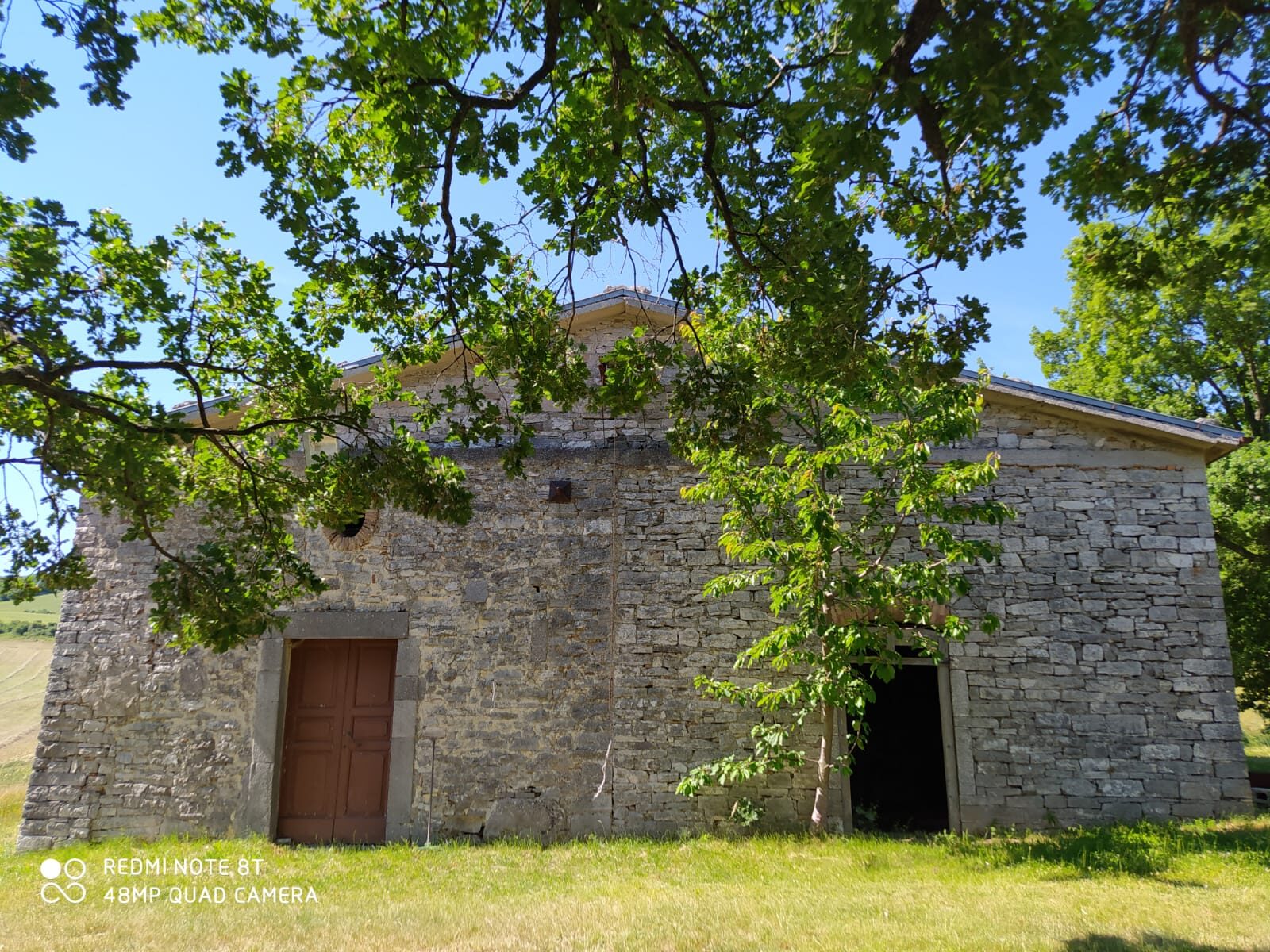
Chapel of St Mark
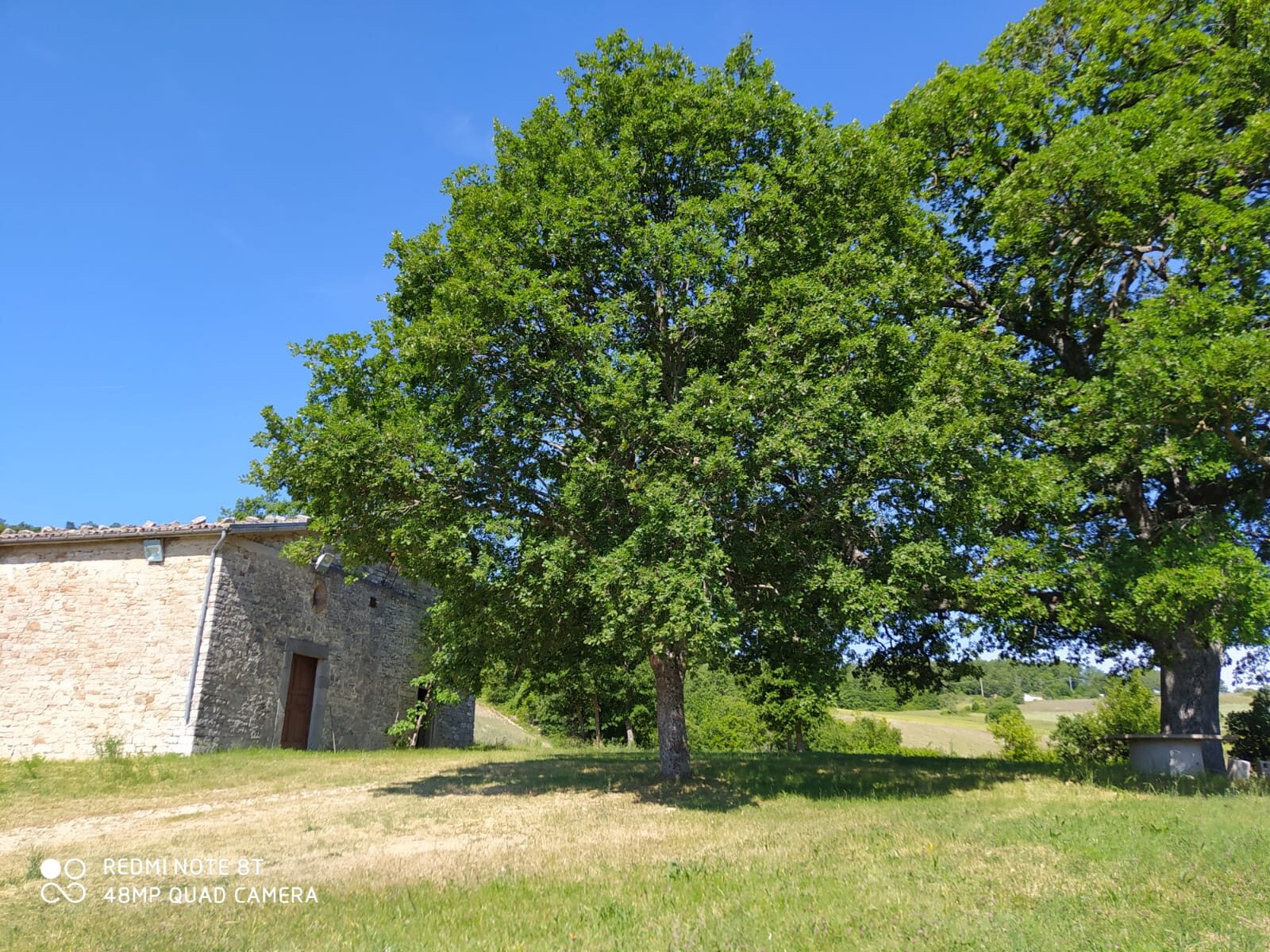
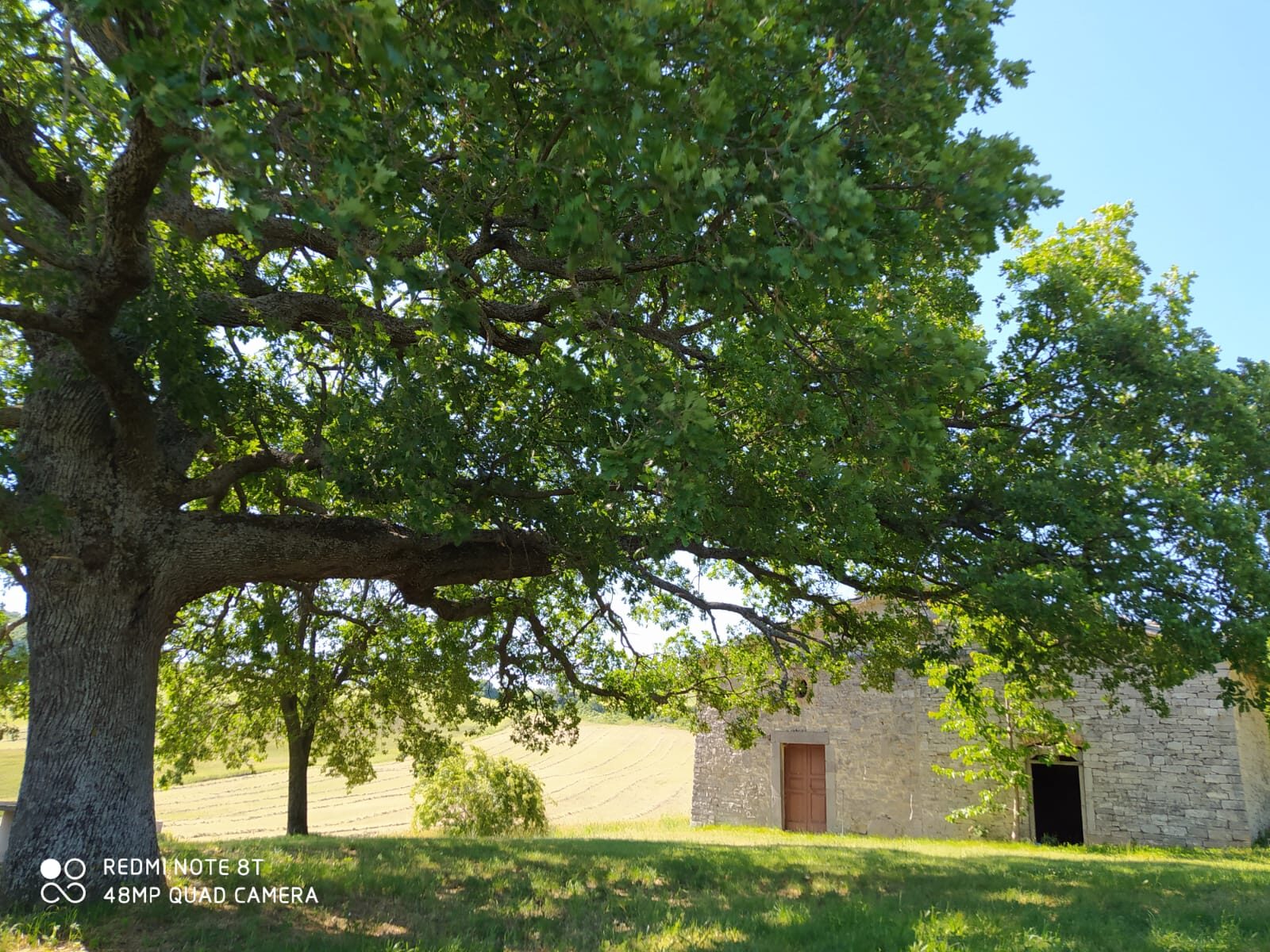
Privately owned rural chapel dedicated to St Mark
Head and Foot Gates
These are the ancient gates to the baronial palace and the village of Campolieto
Patronal Feast of St Michael Archangel
Feast of the Blessed Virgin of Carmel and St. Anne
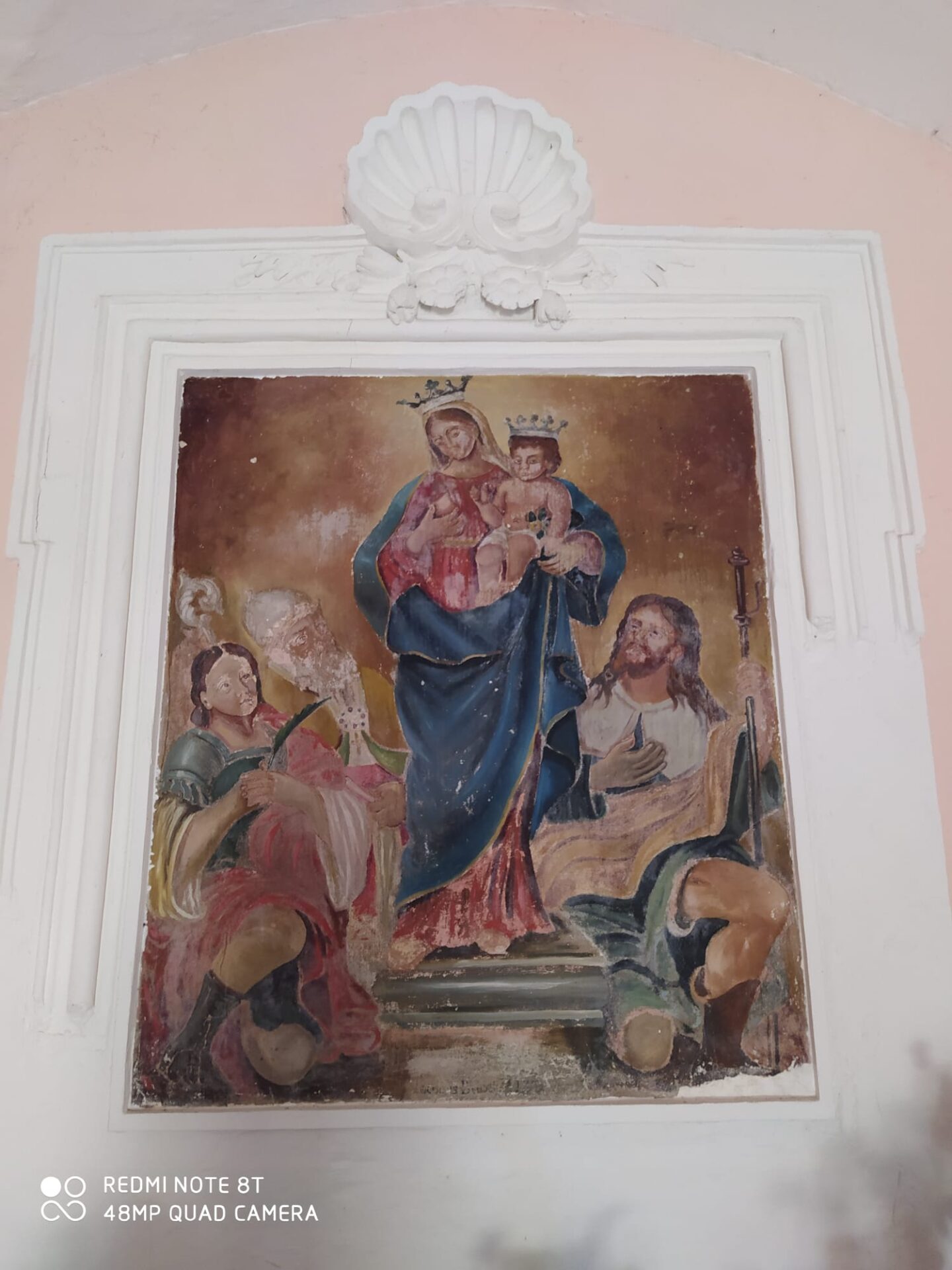
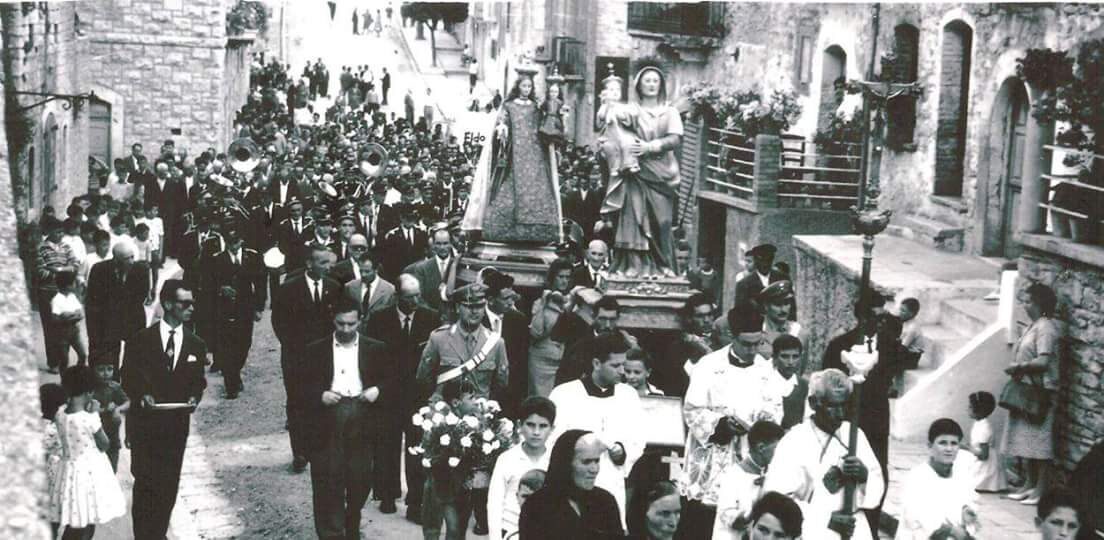
The festival begins with the evocative rite of the Vestizione della Beata Vergine del Carmelo (Blessed Virgin of Carmel) (Dressed Madonna) on the night between 24 and 25 July, who is transported from the chapel dedicated to her to the Church of San Michele Arcangelo. Here, the joint celebrations with St Anne continue. On 26 July, the traditional 'Giglio' (lily auction) is held, a public auction whose proceeds are used for RELIGIOUS celebrations.
Singing of the Maitinate
A popular good-luck song that takes place in the streets of the village on 31 December each year.
On the night between 31 December and 1 January, Gambatesa comes alive with one of its oldest traditions: the Maitunate (or Maitunat). These are improvised stornelli carried from house to house, sung by groups of singers who, armed with organetti, bufù, tambourines and other folkloristic instruments, entertain the town with ironic poems, jokes and musical jokes aimed at both public figures and private citizens.
The event starts already in the early hours of the evening of 31 December: the various teams walk through the alleys of the village, visiting houses. A collective toast is raised at midnight, after which the performances continue uninterrupted until the afternoon of 1 January, when all the teams gather in the square for a final performance judged by a jury.
Don't miss the novelties of the Fortore Ecomuseum: sign up for the newsletter!
Manage Consent
To provide the best experiences, we use technologies such as cookies to store and/or access device information. Consenting to these technologies will allow us to process data such as browsing behaviour or unique IDs on this site. Not consenting or withdrawing consent may adversely affect certain features and functions.
Functional
Always active
Technical storage or access is strictly necessary for the legitimate purpose of enabling the use of a specific service explicitly requested by the subscriber or user, or for the sole purpose of carrying out the transmission of a communication over an electronic communications network.
Preferences
Technical storage or access is necessary for the legitimate purpose of storing preferences that are not requested by the subscriber or user.
Statistics
Technical archiving or access that is used exclusively for statistical purposes.Technical storage or access is used solely for anonymous statistical purposes. Without a subpoena, voluntary compliance by your Internet Service Provider, or additional records from third parties, information stored or retrieved for this purpose alone cannot usually be used for identification purposes.
Marketing
Technical storage or access is necessary to create user profiles to send advertisements, or to track the user on one website or several websites for similar marketing purposes.